LETRAS. Lygia Bojunga, Personalidad Literaria del Premio Jabuti 2026
LITERATURE. Lygia Bojunga Named Literary Personality for the 2026 Jabuti Award
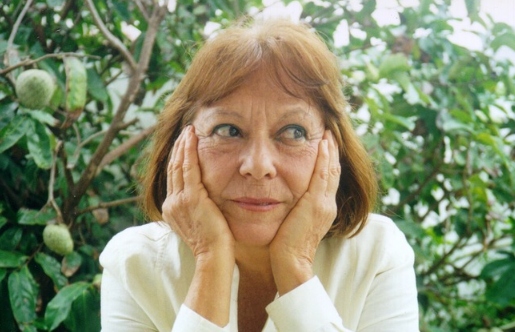

La escritora brasileña Lygia Bojunga fue elegida como Personalidad Literaria de la 68.ª edición del Premio Jabuti, uno de los máximos reconocimientos de las letras en Brasil. El homenaje se realizará el 27 de octubre de 2026 en la Sala São Paulo, durante una ceremonia en la que también se anunciarán los ganadores de las 23 categorías del galardón y el Libro del Año.
La distinción adquiere un significado especial al coincidir con el 50 aniversario de A bolsa amarela (El bolso amarillo), considerada una de las obras fundamentales de Bojunga y un clásico de la literatura infantil y juvenil brasileña.
A sus 94 años, la autora recibió la noticia con emoción y envió a la Cámara Brasileña del Libro una carta manuscrita y un mensaje grabado en el que expresó: “¡Qué bello incentivo este!”.
Nacida en Pelotas, Rio Grande do Sul, en 1932, Bojunga transformó la literatura para niños y jóvenes al abordar temas como los conflictos familiares, los miedos y la búsqueda de identidad, combinando realidad y fantasía con una mirada respetuosa hacia sus lectores.
Su trayectoria incluye tres premios Jabuti: en 1973, por Os colegas; en 1993, por Fazendo Ana Paz; y en 1997, por Seis vezes Lucas. En 1982 se convirtió además en la primera escritora latinoamericana en recibir el Premio Hans Christian Andersen, y en 2004 obtuvo el Astrid Lindgren Memorial Award.
Con este homenaje, Bojunga se suma a figuras como Pedro Bandeira, Marina Colasanti y Ana Maria Machado, reconocidas como Personalidades Literarias del Jabuti en años recientes.
Brazilian author Lygia Bojunga has been named the Literary Personality for the 68th edition of the Jabuti Award, one of the most prestigious literary honors in Brazil. The tribute will take place on October 27, 2026, at Sala São Paulo, during a ceremony that will also announce the winners across the award’s 23 categories, as well as the Book of the Year.
This recognition holds special significance as it coincides with the 50th anniversary of A bolsa amarela (The Yellow Bag)—a work considered one of Bojunga’s seminal texts and a classic of Brazilian children’s and young adult literature.
Upon receiving the news at the age of 94, the author responded with great emotion, sending the Brazilian Book Chamber a handwritten letter and a recorded message in which she remarked: “What a wonderful encouragement this is!”
Born in Pelotas, Rio Grande do Sul, in 1932, Bojunga transformed literature for children and young adults by exploring themes such as family conflict, fear, and the search for identity—blending reality with fantasy while maintaining a deeply respectful approach toward her readers.
Her career includes three Jabuti Awards: in 1973 for Os colegas, in 1993 for Fazendo Ana Paz, and in 1997 for Seis vezes Lucas. In 1982, she became the first Latin American author to receive the Hans Christian Andersen Award, and in 2004, she was honored with the Astrid Lindgren Memorial Award.
With this tribute, Bojunga joins other notable figures—such as Pedro Bandeira, Marina Colasanti, and Ana Maria Machado—who have been recognized as Jabuti Literary Personalities in recent years.
LETRAS. Xavier Nueno gana el Premio Anagrama de Ensayo con una crítica a la inteligencia artificial
LITERATURE. Xavier Nueno wins the Anagrama Essay Prize with a critique of artificial intelligence
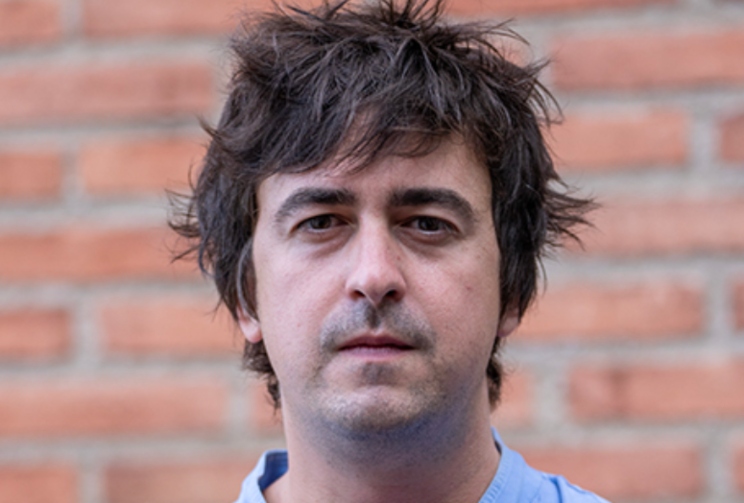
El ensayista e investigador catalán Xavier Nueno obtuvo la 54.ª edición del Premio Anagrama de Ensayo por su obra La revuelta de los copistas. Cómo el conocimiento perdió el juicio, un análisis crítico sobre el impacto de la inteligencia artificial y la apropiación del patrimonio bibliotecario colectivo por parte de la industria tecnológica.
El galardón se anunció el 20 de octubre de 2026 y el libro llegará a las librerías el miércoles 21 de octubre. En el ensayo, Nueno examina las transformaciones en la producción, circulación y gestión del conocimiento en una época marcada por la digitalización y la expansión de las herramientas de inteligencia artificial.
La obra cuestiona la concentración de información en manos de grandes empresas tecnológicas y plantea interrogantes sobre el acceso público al saber, la función de las bibliotecas y los límites de la privatización de materiales que forman parte del patrimonio cultural compartido.
Nacido en Barcelona en 1990, Nueno es investigador, editor y docente especializado en la historia de la información, los medios de comunicación y la teoría crítica. Se doctoró en Estudios de Cine y Cultura Visual por la Universidad de Harvard en 2023 y actualmente desarrolla labores de investigación posdoctoral y docencia en la Escuela Politécnica Federal de Lausana (EPFL), en Suiza.
Su trabajo académico aborda la manera en que las sociedades organizan, clasifican y transmiten el conocimiento, así como las dificultades que genera la acumulación excesiva de información.
En 2023 publicó El arte del saber ligero, editado por Siruela, donde exploró la gestión del conocimiento desde la Edad Media hasta la aparición de la imprenta. También ha participado en proyectos editoriales como Napa(s). Persistir en lo inacabado (2018) y Chaque Mercredi Caracas (2020).
Con este reconocimiento, Nueno consolida una trayectoria dedicada a estudiar la relación entre información, tecnología y cultura, y lleva al debate público una cuestión central de la era digital: quién controla el conocimiento y bajo qué condiciones puede acceder a él la sociedad.
Catalan essayist and researcher Xavier Nueno has won the 54th Anagrama Essay Prize for his work La revuelta de los copistas. Cómo el conocimiento perdió el juicio («The Revolt of the Copyists: How Knowledge Lost Its Mind»)—a critical analysis of the impact of artificial intelligence and the tech industry’s appropriation of our collective library heritage.
The award was announced on October 20, 2026, and the book will arrive in bookstores on Wednesday, October 21. In the essay, Nueno examines the transformations in the production, circulation, and management of knowledge during an era defined by digitalization and the expansion of artificial intelligence tools.
The work questions the concentration of information in the hands of major tech companies and raises concerns regarding public access to knowledge, the role of libraries, and the limits of privatizing materials that are part of our shared cultural heritage.
Born in Barcelona in 1990, Nueno is a researcher, editor, and educator specializing in the history of information, media, and critical theory. He earned his PhD in Film and Visual Studies from Harvard University in 2023 and is currently engaged in postdoctoral research and teaching at the Swiss Federal Institute of Technology Lausanne (EPFL) in Switzerland.
His academic work explores how societies organize, classify, and transmit knowledge, as well as the challenges created by the excessive accumulation of information.
In 2023, he published El arte del saber ligero («The Art of Lightweight Knowledge»), released by the publisher Siruela, in which he explored the management of knowledge from the Middle Ages up to the advent of the printing press. He has also contributed to editorial projects such as Napa(s). Persistir en lo inacabado (2018) and Chaque Mercredi Caracas (2020). With this recognition, Nueno cements a career dedicated to studying the relationship between information, technology, and culture, and brings to public debate a central question of the digital age: who controls knowledge, and under what conditions can society access it
CINE y TV. Murió Lua Blanco
FILM and TV. Lua Blanco Has Died
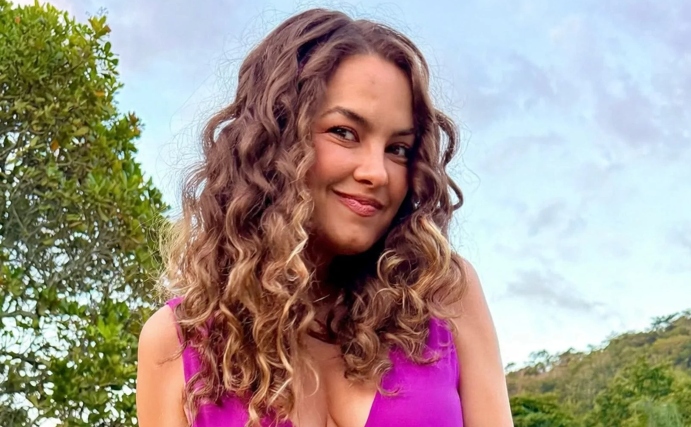
La actriz y cantante brasileña Lua Blanco falleció el domingo 18 de octubre de 2026, a los 39 años, tras enfrentar durante varios meses un cáncer colorrectal que mantuvo en privado. La noticia fue confirmada por su hermano, Daniel Blanco, mediante un comunicado en redes sociales, en el que señaló que la artista pasó sus últimos meses acompañada por familiares y amigos.
De acuerdo con la información difundida, Blanco recibió tratamiento médico, que incluyó quimioterapia y una cirugía. Sin embargo, su estado de salud se complicó en los días previos a su muerte.
Nacida en São Paulo el 5 de marzo de 1987, Lua Blanco provenía de una familia vinculada al mundo artístico, pues era hija del músico Billy Blanco Jr. Durante su trayectoria participó en distintas producciones de la televisión brasileña, entre ellas Três Irmãs y Malhação.
Su mayor reconocimiento internacional llegó en 2011, cuando interpretó a Roberta Messi en Rebelde Brasil, adaptación de la popular telenovela juvenil mexicana. Su personaje la convirtió en una figura reconocida entre el público joven de Brasil y otros países de América Latina.
Además de su trabajo como actriz, Blanco desarrolló una carrera como cantante solista y compositora, y también incursionó en la escritura.
La noticia de su fallecimiento generó reacciones entre seguidores y figuras del espectáculo. La cantante mexicana Dulce María, quien interpretó a Roberta Pardo en la versión original de Rebelde, expresó su sorpresa y tristeza, recordó que tuvo la oportunidad de conocer a Blanco y grabar junto a ella, y envió condolencias a sus familiares, amigos y admiradores.
Brazilian actress and singer Lua Blanco passed away on Sunday, October 18, 2026, at the age of 39, following a months-long battle with colorectal cancer—a diagnosis she had kept private. The news was confirmed by her brother, Daniel Blanco, in a statement on social media, noting that the artist spent her final months surrounded by family and friends.
According to reports, Blanco underwent medical treatment, including chemotherapy and surgery. However, her health deteriorated in the days leading up to her death.
Born in São Paulo on March 5, 1987, Lua Blanco came from a family with deep ties to the arts; she was the daughter of musician Billy Blanco Jr. Throughout her career, she appeared in various Brazilian television productions, including Três Irmãs and Malhação.
She gained significant international recognition in 2011 when she played the role of Roberta Messi in Rebelde Brasil, an adaptation of the popular Mexican teen telenovela. The character made her a well-known figure among young audiences in Brazil and across Latin America.
In addition to her acting work, Blanco pursued a career as a solo singer and songwriter, and also explored writing.
News of her passing drew reactions from fans and figures in the entertainment industry. Mexican singer Dulce María—who played Roberta Pardo in the original version of Rebelde—expressed her shock and sadness. Recalling that she had the opportunity to meet and record with Blanco, she offered her condolences to her family, friends, and admirers.
MUSICA. Garbage ofrecerá concierto gratuito en el Zócalo de la Ciudad de México
MUSIC. Garbage to Perform Free Concert at Mexico City’s Zócalo
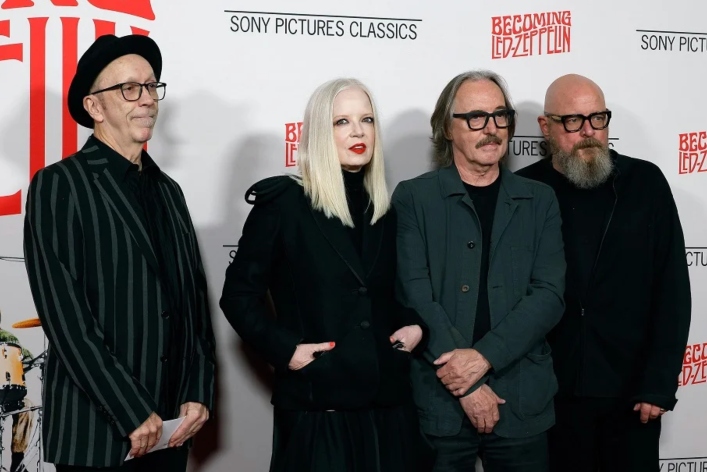
La banda estadunidense de rock alternativo Garbage se presentará gratuitamente el próximo sábado 14 de noviembre de 2026 en el Zócalo de la Ciudad de México, con un concierto programado para las 20:00 horas. El espectáculo tendrá lugar en la Plaza de la Constitución, en el Centro Histórico, y el acceso será libre, sin necesidad de boletos ni registro previo, sujeto al aforo disponible.
El anuncio fue confirmado por la Secretaría de Cultura de la Ciudad de México y la jefa de Gobierno, Clara Brugada. La noticia se difundió antes de lo previsto, situación que la agrupación, liderada por Shirley Manson, comentó con humor en redes sociales. Posteriormente, sus integrantes ratificaron su participación y expresaron su entusiasmo por presentarse en uno de los espacios públicos más emblemáticos del país.
Formada en la década de 1990, Garbage está integrada por Shirley Manson, Butch Vig, Duke Erikson y Steve Marker. La agrupación se consolidó como una de las propuestas representativas del rock alternativo gracias a su combinación de guitarras, electrónica y la distintiva voz de Manson.
El concierto permitirá al público disfrutar de una selección de su repertorio, que incluye éxitos como Only Happy When It Rains, Stupid Girl, Push It, I Think I’m Paranoid y Queer. También se espera que la banda interprete canciones de su álbum Let All That We Imagine Be, publicado en 2025.
La presentación forma parte de las actividades musicales que acercan espectáculos internacionales a espacios públicos de la capital. Debido a que la entrada estará limitada por la capacidad de la plaza, se recomienda llegar con anticipación para facilitar el acceso y encontrar un buen lugar.
The American alternative rock band Garbage will perform a free concert on Saturday, November 14, 2026, at the Zócalo in Mexico City, with the show scheduled for 8:00 PM. The event will take place at the Plaza de la Constitución, in the city’s Historic Center. Admission is free—no tickets or prior registration are required—though entry is subject to capacity limits.
The announcement was confirmed by the Mexico City Secretariat of Culture and the Head of Government, Clara Brugada. News of the event leaked earlier than intended—a situation the band, fronted by Shirley Manson, addressed with humor on social media. The members later officially confirmed their participation, expressing their excitement about performing in one of the country’s most iconic public spaces.
Formed in the 1990s, Garbage consists of Shirley Manson, Butch Vig, Duke Erikson, and Steve Marker. The group established itself as a definitive alternative rock act, known for blending guitars and electronic elements with Manson’s distinctive vocals.
The concert will feature a selection of the band’s repertoire, including hits such as «Only Happy When It Rains,» «Stupid Girl,» «Push It,» «I Think I’m Paranoid,» and «Queer.» The band is also expected to perform tracks from their 2025 album, Let All That We Imagine Be.
This performance is part of a series of musical initiatives designed to bring international acts to public spaces throughout the capital. As attendance is limited by the capacity of the plaza, arriving early is recommended to ensure entry and secure a good viewing spot.
MÚSICA. Murió Benito di Paula
MUSIC. Benito di Paula Has Died
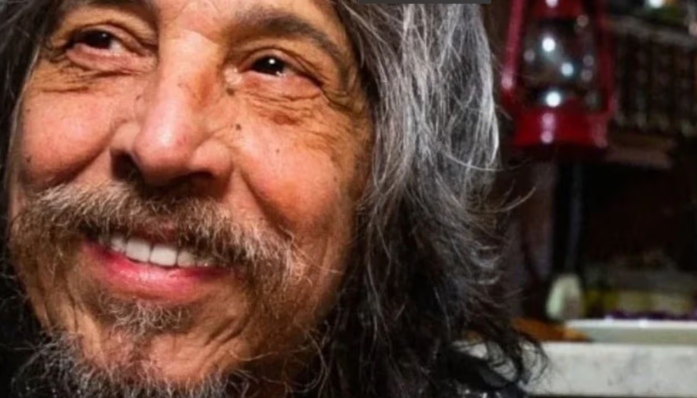
El cantautor y pianista brasileño Benito di Paula falleció el domingo 18 de octubre de 2026, a los 84 años, en São Paulo, Brasil, debido a complicaciones derivadas de un cáncer de próstata que padecía desde hacía aproximadamente un año. El músico permanecía hospitalizado en el Hospital 9 de Julho.
Su velorio se realiza este martes 20 de octubre en el Theatro Municipal de São Paulo, en una ceremonia abierta al público de 9:00 a 15:00 horas. Posteriormente, sus restos serán sepultados en una ceremonia privada en el cementerio Morumby.
Nacido como Uday Vellozo en Nova Friburgo, estado de Río de Janeiro, Benito di Paula fue una figura destacada de la Música Popular Brasileña (MPB) y uno de los principales exponentes del llamado samba-joia, estilo que alcanzó gran popularidad durante las décadas de 1970 y 1980.
Su propuesta musical fusionó los ritmos tradicionales del samba con el piano, el jazz, el bolero y la música romántica, creando un sello distintivo que conquistó a varias generaciones de seguidores.
A lo largo de más de cinco décadas de trayectoria, dejó canciones emblemáticas como Retalhos de Cetim, Charlie Brown, Mulher Brasileira y Do Jeito Que a Vida Quer, temas que consolidaron su lugar en la música brasileña.
En sus últimos años, el artista continuó explorando nuevas propuestas musicales. En 2021 lanzó el álbum O infalível zen, junto a su hijo Rodrigo Vellozo, y en 2025 recibió un homenaje de la escuela de samba Águia de Ouro durante el Carnaval de São Paulo.
Brazilian singer-songwriter and pianist Benito di Paula passed away on Sunday, October 18, 2026, at the age of 84, in São Paulo, Brazil. His death was due to complications from prostate cancer, with which he had been diagnosed approximately a year earlier. He had been hospitalized at the Hospital 9 de Julho.
A wake is being held this Tuesday, October 20, at the Theatro Municipal in São Paulo; the ceremony is open to the public from 9:00 a.m. to 3:00 p.m. Afterward, he will be laid to rest during a private ceremony at the Morumby cemetery.
Born Uday Vellozo in Nova Friburgo, in the state of Rio de Janeiro, Benito di Paula was a prominent figure in Brazilian Popular Music (MPB) and a leading exponent of «samba-joia»—a style that gained immense popularity throughout the 1970s and 1980s.
His musical approach blended traditional samba rhythms with piano, jazz, bolero, and romantic music, forging a distinctive signature style that captivated generations of fans.
Over the course of a career spanning more than five decades, he produced iconic songs such as «Retalhos de Cetim,» «Charlie Brown,» «Mulher Brasileira,» and «Do Jeito Que a Vida Quer»—tracks that cemented his place in the landscape of Brazilian music.
In his final years, the artist continued to explore new musical directions. In 2021, he released the album O infalível zen in collaboration with his son, Rodrigo Vellozo, and in 2025, he was honored by the Águia de Ouro samba school during the São Paulo Carnival. ’27.»
LETRAS. FIL Monterrey 2026 rompe récord con más de 501 mil visitantes
LITERATURE. Monterrey International Book Fair (FIL) 2026 Breaks Record with Over 501,000 Visitors
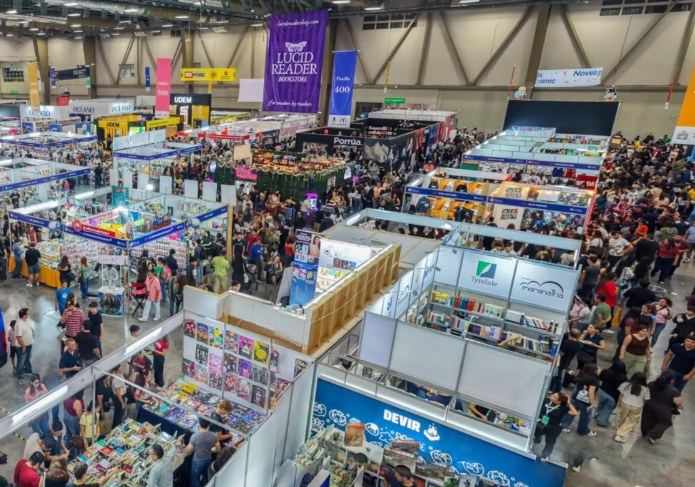
La Feria Internacional del Libro Monterrey 2026 concluyó el 18 de octubre con una asistencia histórica de 501 mil 982 visitantes, cifra que consolida al encuentro como uno de los principales acontecimientos literarios del norte de México. Organizada por el Tecnológico de Monterrey, su edición número 34 se realizó del 10 al 18 de octubre en Cintermex, con 634 actividades culturales y académicas.
El programa reunió a 700 escritores de más de 15 países y tuvo como invitado de honor a El Colegio Nacional, institución que participó con presentaciones editoriales, conciertos y proyecciones. Entre las figuras internacionales destacaron el escritor francés Jean-Marie Gustave Le Clézio, ganador del Nobel de Literatura, quien presentó Tres entradas a México mediante una intervención holográfica desde Francia; y su compatriota Emmanuel Carrère, autor de Koljós.
También participaron Leonardo Padura, quien conversó con Benito Taibo sobre escritura y pertenencia; la poeta nicaragüense Gioconda Belli; el ensayista argentino Alberto Manguel, encargado del discurso inaugural; la poeta estadounidense Rita Dove, ganadora del Pulitzer, y la escritora danesa Janne Teller, autora de Nada.
Entre los espacios más concurridos estuvo el Pabellón de la Niñez, que recibió a 103 mil asistentes. La feria también incluyó propuestas dedicadas a la filosofía, como Sentir y pensar nuestro tiempo, y a la innovación editorial, mediante el foro Las Mil Formas del Libro.
Durante la clausura se anunció que España será el país invitado de honor en 2027. La próxima edición conmemorará el 35 aniversario de la feria, los 50 años de relaciones diplomáticas entre México y España y el centenario de la Generación del 27.
The 2026 Monterrey International Book Fair concluded on October 18 with a historic attendance of 501,982 visitors—a figure that cements the event as one of the premier literary gatherings in northern Mexico. Organized by the Tecnológico de Monterrey, the 34th edition took place from October 10 to 18 at Cintermex, featuring 634 cultural and academic activities.
The program brought together 700 writers from more than 15 countries, with El Colegio Nacional serving as the guest of honor; the institution contributed through book presentations, concerts, and screenings. Notable international figures included French author and Nobel Prize in Literature laureate Jean-Marie Gustave Le Clézio, who presented Tres entradas a México (Three Entries to Mexico) via a holographic appearance from France, as well as his compatriot Emmanuel Carrère, author of Koljós.
Other participants included Leonardo Padura, who engaged in a conversation with Benito Taibo on the themes of writing and belonging; Nicaraguan poet Gioconda Belli; Argentine essayist Alberto Manguel, who delivered the inaugural address; Pulitzer Prize-winning American poet Rita Dove; and Danish author Janne Teller, known for her book Nothing (Nada).
The Children’s Pavilion was among the most popular areas, welcoming 103,000 attendees. The fair also featured programming dedicated to philosophy—under the theme «Feeling and Thinking Our Time»—and to innovation in publishing, explored through the forum «The Thousand Forms of the Book.»
During the closing ceremony, it was announced that Spain will be the guest of honor for the 2027 edition. That upcoming installment will commemorate the fair’s 35th anniversary, the 50th anniversary of diplomatic relations between Mexico and Spain, and the centenary of the «Generation of ’27.»
REDES SOCIALES. Murió Sahara Ray
SOCIAL MEDIA. Sahara Ray Has Died

La modelo, diseñadora de trajes de baño e influencer australiana Sahara Ray falleció el domingo 18 de octubre de 2026, a los 34 años, en Los Ángeles. La noticia causó conmoción en el mundo del espectáculo, especialmente porque la creadora de contenido se había convertido en madre por primera vez apenas unos meses antes.
De acuerdo con reportes de medios internacionales, Ray sufrió una grave descompensación el viernes y fue trasladada de urgencia a un hospital, donde permaneció en terapia intensiva. Tras determinarse que presentaba muerte cerebral, su familia tomó la decisión de retirarle el soporte vital. Aunque no se ha difundido una causa oficial definitiva, fuentes citadas por la prensa señalaron que el fallecimiento podría estar relacionado con una presunta sobredosis accidental de fentanilo.
En enero de 2026, la modelo dio a luz a su hija Snow. Meses después, compartió en redes sociales mensajes dedicados a la pequeña, a quien describió como “todo mi corazón”.
La vida de Ray también estuvo marcada por problemas de salud. En 2024 fue diagnosticada con el síndrome de Guillain-Barré, después de un accidente vial en el que fue atropellada por un conductor ebrio. El padecimiento afectó temporalmente su movilidad en las piernas y la llevó a utilizar silla de ruedas y andador durante su rehabilitación. En diciembre de 2021, además, había ingresado a un centro de tratamiento por cuestiones relacionadas con la salud mental y las adicciones.
Hija del surfista profesional Tony Ray, Sahara creció entre Australia, California y Hawái. Esa conexión con el mar inspiró la creación de su marca de trajes de baño, Sahara Ray Swim.
Su popularidad internacional aumentó en 2016, cuando fue fotografiada junto al cantante Justin Bieber durante unas vacaciones en Hawái. También mantuvo una relación mediática con el músico y nadador australiano Cody Simpson.
Australian model, swimwear designer, and influencer Sahara Ray passed away on Sunday, October 18, 2026, at the age of 34, in Los Angeles. The news sent shockwaves through the entertainment world, especially as the content creator had become a mother for the first time just a few months earlier.
According to international media reports, Ray suffered a severe medical crisis on Friday and was rushed to a hospital, where she remained in intensive care. After she was declared brain-dead, her family made the decision to withdraw life support. While no definitive official cause of death has been released, sources cited by the press have suggested that her passing may be linked to an accidental fentanyl overdose.
In January 2026, the model gave birth to her daughter, Snow. Months later, she shared messages on social media dedicated to the little girl, whom she described as “my whole heart.”
Ray’s life was also marked by health challenges. In 2024, she was diagnosed with Guillain-Barré syndrome following a road accident in which she was struck by a drunk driver. The condition temporarily affected her ability to walk, requiring her to use a wheelchair and a walker during her rehabilitation. Additionally, in December 2021, she had entered a treatment center for issues related to mental health and addiction.
The daughter of professional surfer Tony Ray, Sahara grew up between Australia, California, and Hawaii. This connection to the ocean inspired the creation of her swimwear brand, Sahara Ray Swim.
Her international profile rose in 2016, when she was photographed alongside singer Justin Bieber during a vacation in Hawaii. She also had a high-profile relationship with the Australian musician and swimmer Cody Simpson.
CINE y TV. ChiaroScuro, la nueva serie italiana de Netflix, llegará en noviembre
FILM & TV. ChiaroScuro, the new Italian series from Netflix, arrives in November
La plataforma Netflix estrenará el próximo 11 de noviembre de 2026 ChiaroScuro (El claroscuro), una serie italiana de misterio y crimen producida por Lux Vide que combina investigación policial, arte y elementos de comedia. La producción tuvo su presentación internacional fuera de competición en el Festival de Cine de Roma, dentro de la sección Freestyle.
Ambientada en una Roma marcada por el arte y sus secretos, la historia sigue a Cosmo, un brillante y excéntrico experto capaz de detectar falsificaciones con una precisión extraordinaria. Su camino se cruza con el del inspector de policía Angelo Tiberi, un investigador pragmático con quien formará una inesperada alianza.
Ambos deberán resolver una serie de crímenes cometidos por un asesino en serie que reproduce referencias de obras de arte emblemáticas. Mientras avanzan en la investigación, también se enfrentarán a un misterio relacionado con el pasado de Cosmo y la muerte de su padre, una conexión que podría resultar clave para esclarecer los casos.
La serie contará con ocho episodios que entrelazan el drama policial, la intriga y el humor. Netflix pondrá a disposición del público todos los capítulos el día del estreno, lo que permitirá disfrutar la historia completa en formato maratón.
El reparto está encabezado por los actores italianos Pierpaolo Spollon y Andrea Lattanzi, acompañados por Matilde Gioli, Romana Maggiora Vergano y Aurora Giovinazzo. La producción también contará con participaciones especiales de Alessandro Preziosi y la actriz española Paz Vega.
Con una trama que vincula el mundo del arte con la investigación criminal, ChiaroScuro apuesta por una propuesta en la que las pinturas, las falsificaciones y los secretos del pasado se convierten en piezas fundamentales para resolver una serie de asesinatos.
On November 11, 2026, Netflix will premiere ChiaroScuro—an Italian mystery-crime series produced by Lux Vide that blends police investigation, art, and elements of comedy. The production made its international debut out of competition at the Rome Film Festival, as part of the «Freestyle» section.
Set in a Rome defined by art and its hidden secrets, the story follows Cosmo, a brilliant and eccentric expert with an extraordinary ability to detect forgeries. His path crosses with that of police inspector Angelo Tiberi—a pragmatic investigator with whom he forms an unexpected alliance.
Together, they must solve a series of crimes committed by a serial killer who recreates elements from iconic works of art. As the investigation unfolds, they also encounter a mystery tied to Cosmo’s own past and the death of his father—a connection that could prove key to cracking the cases.
The series consists of eight episodes that weave together police drama, intrigue, and humor. Netflix will release all episodes on the premiere date, allowing viewers to binge-watch the entire story.
The cast is led by Italian actors Pierpaolo Spollon and Andrea Lattanzi, alongside Matilde Gioli, Romana Maggiora Vergano, and Aurora Giovinazzo. The production also features special appearances by Alessandro Preziosi and Spanish actress Paz Vega.
With a plot that bridges the world of art and criminal investigation, ChiaroScuro presents a narrative where paintings, forgeries, and secrets from the past become essential pieces in solving a string of murders.