A GUIDE FOR BEGINNING COLLECTORS
Guía práctica para empezar a coleccionar arte (y hacerlo bien)
- Define tu propósito como coleccionista
Antes de comprar, pregúntate por qué quieres coleccionar:
¿Buscas invertir, apoyar a artistas emergentes, decorar tu espacio, o construir un legado? Esa claridad determinará tus decisiones futuras: qué tipo de arte elegir, cuánto invertir y dónde comprar.
- Fija un presupuesto inicial realista.
Empieza con un monto que no comprometa tus finanzas personales. Hoy puedes encontrar obras originales o ediciones limitadas desde precios accesibles, especialmente en galerías virtuales. No necesitas una fortuna para comenzar, pero sí constancia y visión. - Investiga y educa tu mirada.
Visita galerías, museos, ferias y exposiciones. Sigue a artistas y críticos en redes sociales, escucha podcasts o lee revistas especializadas. Con el tiempo, desarrollarás tu propio gusto y entenderás mejor qué te conmueve y por qué. - Compra lo que amas, no lo que “debes” comprar.
El arte no se disfruta desde el cálculo, sino desde la emoción. Si una obra te impacta, te hace pensar o te acompaña visualmente día a día, esa conexión es valiosa. La inversión más sólida comienza por una elección genuina. - Conoce al artista y su trayectoria.
Investiga la historia detrás de cada obra: ¿Quién es el artista?, ¿Dónde ha expuesto?, ¿Su obra tiene certificado de autenticidad o tiraje limitado? El contexto aumenta el valor simbólico y económico con el tiempo. - Empieza con arte accesible y de edición limitada.
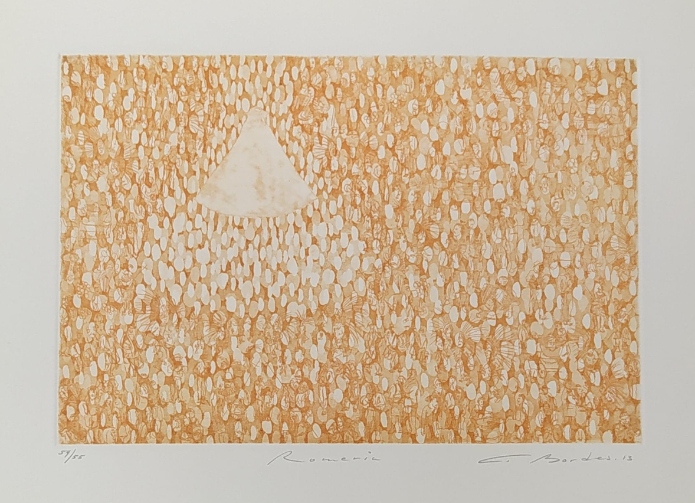
Los grabados, litografías, serigrafías y fotografías de autor son una excelente forma de iniciar. Son más asequibles que las piezas únicas, pero igualmente coleccionables, y pueden revalorizarse con el crecimiento del artista. - Elige bien dónde comprar. Opta por galerías reconocidas, ferias de arte, plataformas online verificadas o directamente al artista. Evita intermediarios dudosos y revisa políticas de autenticidad, envíos y devoluciones.
- Conserva y documenta tus piezas.
Guarda certificados, facturas y fichas técnicas. Mantén tus obras en condiciones adecuadas de temperatura, luz y humedad. Un coleccionista cuidadoso preserva el valor de su colección a largo plazo. - Conecta con la comunidad. Participa en subastas, charlas, clubes o comunidades de coleccionistas. El intercambio de experiencias amplía tu red y tu criterio. En el arte, el capital cultural vale tanto como el financiero.
- Piensa a largo plazo. El arte puede tardar en revalorizarse, pero su valor simbólico y estético crece contigo. Cultiva paciencia, constancia y sensibilidad: cada adquisición es un diálogo con el tiempo y contigo mismo.
Consejo final:
Invertir en arte no es solo acumular piezas, sino construir una narrativa personal. Cada obra cuenta algo de ti, de tu época y de tu manera de mirar el mundo
A practical guide to starting to collect art (and doing it well)
- Define Your Purpose as a Collector
Before buying, ask yourself why you want to collect:
Are you looking to invest, support emerging artists, decorate your space, or build a legacy? This clarity will determine your future decisions: what type of art to choose, how much to invest, and where to buy. - Set a realistic initial budget.
Start with an amount that doesn’t compromise your personal finances. Today, you can find original works or limited editions at affordable prices, especially in online galleries. You don’t need a fortune to get started, but you do need perseverance and vision. - Research and educate your perspective.
Visit galleries, museums, fairs, and exhibitions. Follow artists and critics on social media, listen to podcasts, or read specialized magazines. Over time, you will develop your own taste and better understand what moves you and why. - Buy what you love, not what you «should» buy.
Art isn’t enjoyed from a calculation perspective, but from an emotional perspective. If a work impacts you, makes you think, or accompanies you visually day in and day out, that connection is valuable. The most solid investment begins with a genuine choice. - Get to know the artist and their career.
Investigate the story behind each work: Who is the artist? Where have they exhibited? Does their work have a certificate of authenticity or a limited edition? Context increases symbolic and economic value over time. - Start with accessible, limited-edition art.
Prints, lithographs, silkscreens, and signature photographs are an excellent way to start. They are more affordable than one-of-a-kind pieces, but equally collectible, and can appreciate in value as the artist grows. - Choose where to buy wisely. Opt for reputable galleries, art fairs, verified online platforms, or directly from the artist. Avoid dubious intermediaries and review authenticity, shipping, and return policies.
- Preserve and document your pieces.
Keep certificates, invoices, and technical sheets. Keep your works in appropriate temperature, light, and humidity conditions. A careful collector preserves the long-term value of their collection. - Connect with the community. Participate in auctions, talks, clubs, or collector communities. Sharing experiences expands your network and your judgment. In art, cultural capital is as valuable as financial capital.
- Think long-term. Art may take time to appreciate, but its symbolic and aesthetic value grows with you. Cultivate patience, perseverance, and sensitivity: each acquisition is a dialogue with time and with yourself.
Final tip:
Investing in art is not just about accumulating pieces, but about building a personal narrative. Each work tells something about you, your time, and your way of seeing the world.

 balsiaproducciones.com.mx