TOURISM. Nuestros Dulces invites you to visit its workshops and tequila tastings
La firma tlaquepaquense que promueve artesanías, dulces, tequila y destilados de México ofrece recorridos turísticos en sus instalaciones y abre sus puertas a eventos culturales
The Tlaquepaque-based company that promotes Mexican handicrafts, sweets, tequila, and spirits offers tours of its facilities and opens its doors to cultural events
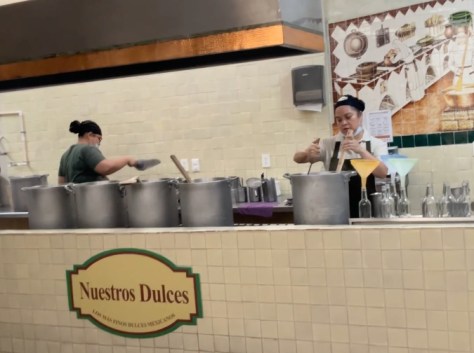
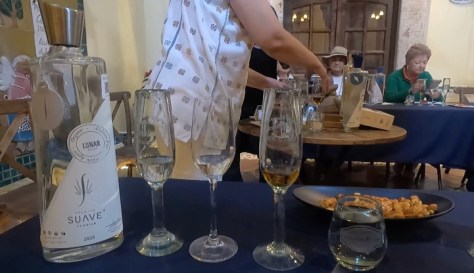
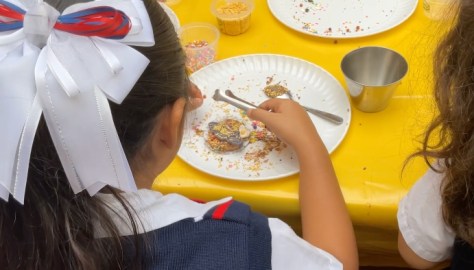
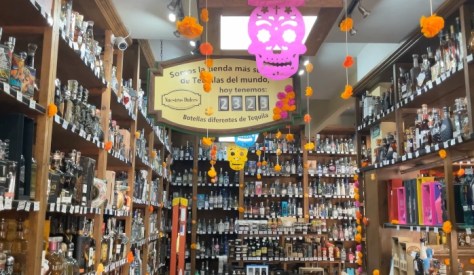
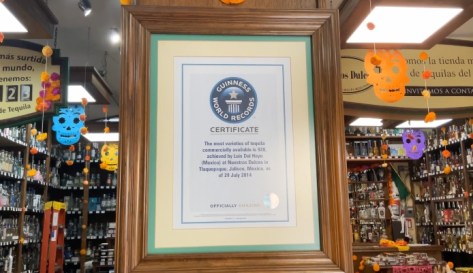
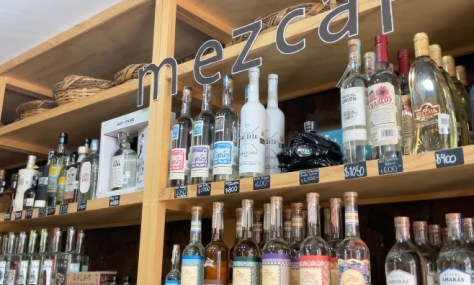
Nuestros Dulces ofrece recorridos turísticos por sus talleres y promueve catas de tequila: Fotos. CLAUDIA ANDALÓN
Enrique Vázquez Lozano/ Guadalajara

El equipo de Nuestros Dulces, decidió desde hace algunos meses abrir sus puertas a los visitantes para compartir los procesos de elaboración de sus productos a públicos de todas las edades, a través de talleres y catas de tequila.
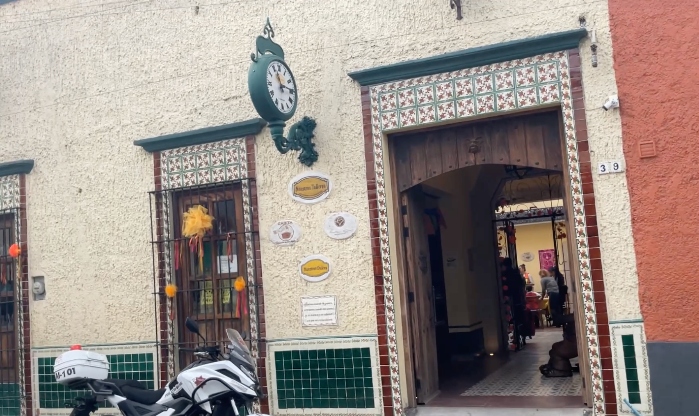
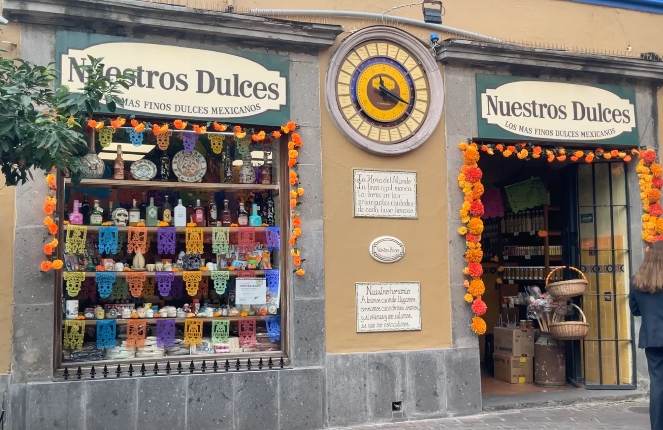
La finca situada en la calle Reforma 39 en Tlaquepaque es sede de la fábrica de dulces y tiene una tienda en la que pueden encontrarse dulces tradicionales de 14 estados. De manera habitual, desde hace algunos meses alberga desde grupos escolares hasta colectivos de empresarios, agentes culturales y turistas.
De acuerdo con Teresa Casillas, directora de Relaciones Públicas de Nuestros Dulces, el proyecto que desarrollaron en Reforma 39 «que de por sí resultaba atractiva por ofrecer dulces tradicionales procedentes de 14 estados de México, se ha enriquecido con esta nueva dinámica que incluye promociones interesantes. Por ejemplo, si el visitante compra una botella se le bonifica el costo de la cata. También se tienen iniciativas interesantes para los niños, como lo es la Tiendita de la honestidad en la que los niños practican el autocontrol presupuestal a través de una caja de autoservicio en donde niñas y niños, apoyados por herramientas como un ábaco y etiquetas de colores en los productos, reflexionan sobre su presupuesto y deciden qué comprar sin que sean vigilados por los adultos.
The Nuestros Dulces team decided a few months ago to open its doors to visitors to share the production processes of its products with audiences of all ages through workshops and tequila tastings.
The property located at Reforma Street 39 in Tlaquepaque, houses the candy factory and has a shop where traditional sweets from 14 states can be found. For several months now, it has regularly hosted groups ranging from school groups to business associations, cultural agents, and tourists. According to Teresa Casillas, Public Relations Director of Nuestros Dulces, the project they developed at Reforma 39, «which was already attractive for offering traditional sweets from 14 Mexican states, has been enriched with this new dynamic that includes interesting promotions. For example, if a visitor buys a bottle, the cost of the tasting is credited to their account. There are also interesting initiatives for children, such as the ‘Little Shop of Honesty,’ where children practice budgeting through a self-service checkout. There, boys and girls, supported by tools like an abacus and colored labels on the products, reflect on their budget and decide what to buy without adult supervision.»
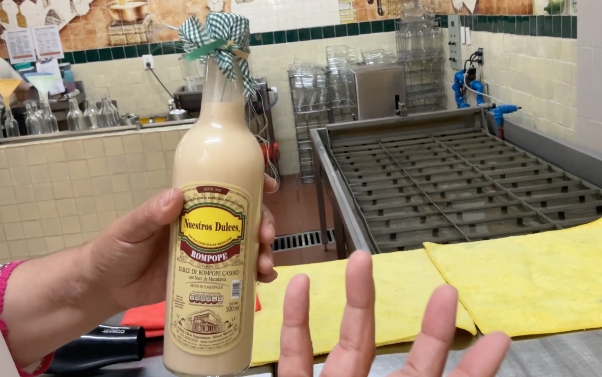
EL ROMPOPE ES EL PRODUCTO ESTRELLA
En tiempos donde lo artesanal se ha convertido en sinónimo de identidad y resistencia cultural, hay espacios que hacen del dulce una experiencia sensorial y también formativa. Aquí, el protagonista es el rompope, elaborado bajo un ritual casi alquímico: la leche con canela hierve y, tras cada hervor, se incorporan azúcar, nuez de macadamia, yema de huevo y alcohol. El proceso no termina ahí. Las botellas se sanitizan y se llenan manualmente; aún calientes, a más de 40 grados, se sumergen en agua fría de 8 a 10 grados. El choque térmico crea el vacío, contrae la leche y garantiza su conservación. La prueba es sonora: un golpe en la tapa confirma la calidad.
La nuez de macadamia, originaria de Hawái pero cultivada hoy en Michoacán y Veracruz, aporta carácter y sofisticación. Se quiebra para extraer su esencia, se pica y se cuece en ollas de cobre antes de integrarse al rompope. La producción puede ir de tres a 23 ollas diarias, siempre bajo estrictas prácticas de sanitización y sellado al vacío.
ROMPOPE IS THE STAR PRODUCT
In times when artisanal products have become synonymous with identity and cultural resistance, there are places that transform sweets into a sensory and educational experience. Here, the star is rompope, made with an almost alchemical ritual: milk with cinnamon boils, and after each boil, sugar, macadamia nuts, egg yolk, and alcohol are added. The process doesn’t end there. The bottles are sanitized and filled by hand; still hot, at over 40 degrees Celsius, they are submerged in cold water at 8 to 10 degrees Celsius. The thermal shock creates a vacuum, contracts the milk, and guarantees its preservation. The proof is audible: a tap on the cap confirms the quality.
The macadamia nut, originally from Hawaii but now cultivated in Michoacán and Veracruz, lends character and sophistication. It is cracked to extract its essence, chopped, and cooked in copper pots before being incorporated into the rompope. Production can range from three to 23 pots per day, always under strict sanitation and vacuum sealing practices.
OBLEAS, PINOLE Y MAZAPÁN ENRIQUECIDO EN NUTRIENTES
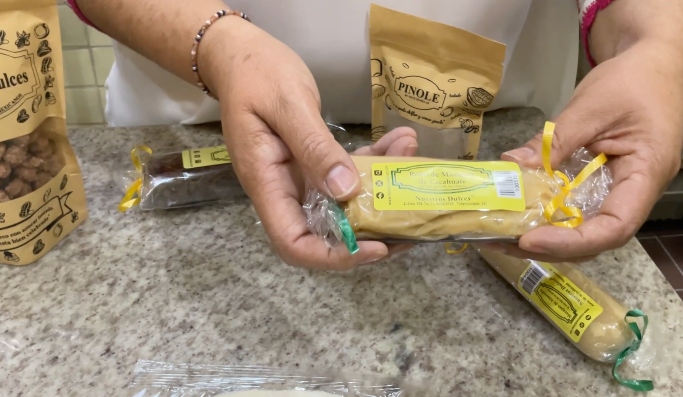
De la misma pasta nacen obleas con macadamia, rollos de mazapán —incluido el de almendra—, dátiles con nuez y una constelación de garapiñados: almendra, pepita, cacahuate, cacao. El pinole enriquecido, con anís, arroz, maíz, garbanzo, almendra, canela y ralladura de naranja, funciona como una barra nutricional en polvo: sirve para atole, agua fresca o licuado. La cocada, dorada y perfumada con canela, reposa 24 horas antes de empacarse; el mazapán se ofrece tradicional o con stevia, pensando en quienes viven con diabetes. La Greñuda mezcla piloncillo, almendra y coco en un bocado de memoria.
WAFERS, PINOLE, AND NUTRITION-ENRICHED MARZIPAN
From the same dough come wafers with macadamia nuts, marzipan rolls—including almond—dates with walnuts, and a constellation of candied nuts: almond, pumpkin seed, peanut, and cacao. The enriched pinole, with anise, rice, corn, chickpeas, almonds, cinnamon, and orange zest, functions as a powdered nutritional bar: perfect for atole, agua fresca, or smoothies. The coconut candy, golden and scented with cinnamon, rests for 24 hours before packaging; the marzipan is offered traditionally or sweetened with stevia, keeping in mind those with diabetes. La Greñuda blends piloncillo, almonds, and coconut in a bite-sized treat
UN BASTIÓN DE CAJETAS LUGO ORIGINARIAS DE SAYULA
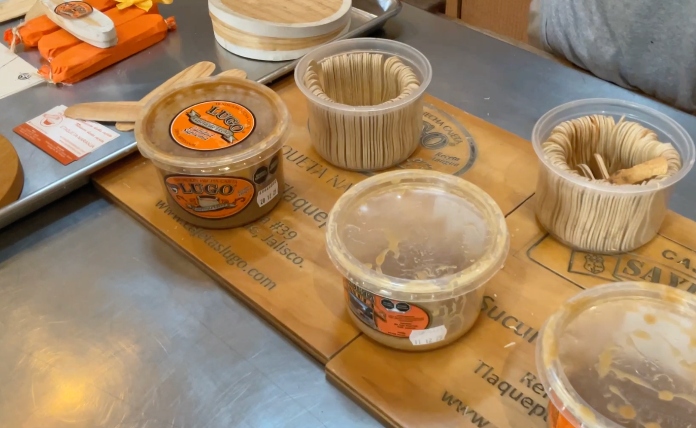
Como un proyecto conjunto con Cajetas Lugo, esta sede no sólo distribuye este producto tradicional de Sayula Jalisco, también muestra el proceso de elaboración. La cajeta, es el producto de la cocción de leche por horas en un cazo de cobre. Aunque el proceso se describe fácil, esta sencillez explicativa es inversamente proporcional a la complejidad que encierra este oficio para obtener un producto delicioso y de calidad. A la leche se le puede agregar fécula de maíz o tequila para obtener otras variedades de sabores.
A STRONGHOLD OF CAJETAS LUGO, ORIGINATING IN SAYULA
As a joint project with Cajetas Lugo, this location not only distributes this traditional product from Sayula, Jalisco, but also showcases the production process. Cajeta is made by cooking milk for hours in a copper pot. Although the process is described as simple, this simplicity belies the complexity involved in this craft to obtain a delicious, high-quality product. Cornstarch or tequila can be added to the milk to create other flavor variations.
EL CHOCOLATE
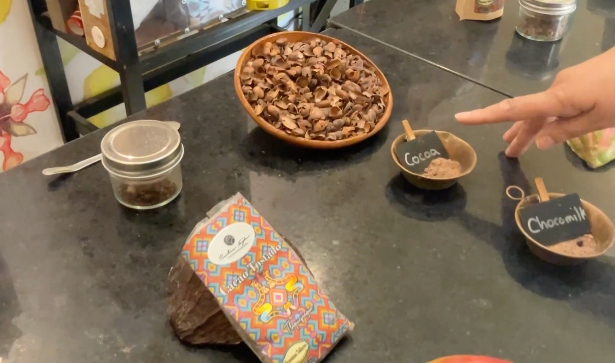
El chocolate merece capítulo aparte. El cacao se pela, se tuesta y se separa de la cáscara; en el molinillo nace la pasta intensa, mientras la cáscara molida se transforma en cocoa para repostería. Hay versiones sin azúcar, semiamargas 80/20 y otras aromatizadas con anís, chipotle, chai o canela.
CHOCOLATE
Chocolate deserves its own chapter. The cacao bean is peeled, roasted, and separated from the husk; in the grinder, the rich paste is produced, while the ground husk is transformed into cocoa powder for baking. There are sugar-free versions, semi-sweet 80/20 versions, and others flavored with anise, chipotle, chai, or cinnamon.
OTRAS SEDES
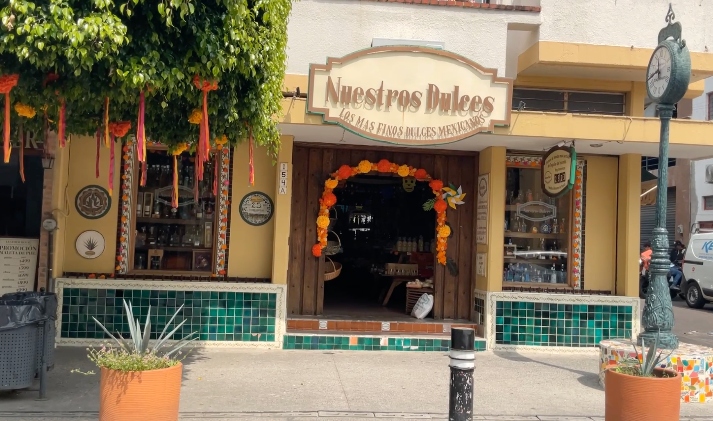
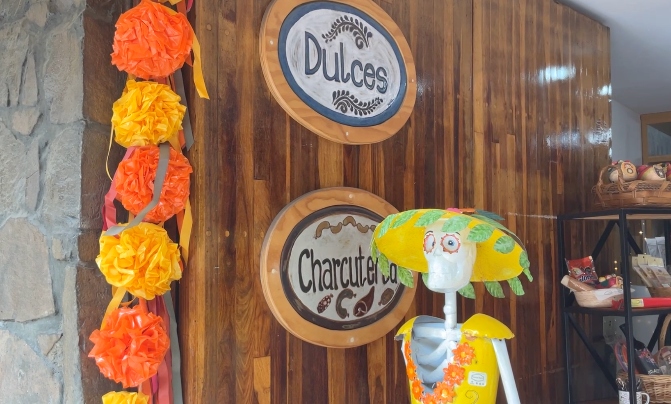
Nuestros Dulces cuenta con la sede ubicada en Independencia 132, en la que los visitantes pueden encontrar además de los dulces tradicionales, artesanías, mientras que en la sede de Juárez 154, el visitante encontrará más de 2 mil 30 botellas de tequila de México y en la sede de Juárez 242 una gran variedad de charcutería, y una exquisita selección de vinos de mesa, raicillas y otros destilados del agave.
Más que una tienda Nuestros Dulces es un territorio donde la tradición mexicana se prueba, se aprende y se celebra. Mayor información en la Página de Facebook de Nuestros Dulces.
OTHER LOCATIONS
Nuestros Dulces has a location at Independencia 132, where visitors can find traditional sweets and handicrafts. At the Juárez 154 location, visitors will find more than 2,030 bottles of Mexican tequila, and at the Juárez 242 location, a wide variety of charcuterie and an exquisite selection of table wines, raicillas, and other agave spirits.
More than just a store, Nuestros Dulces is a place where Mexican tradition is tasted, learned about, and celebrated. More information on the Nuestros Dulces Facebook page.
REACTIVAN ACTIVIDADES TURÍSTICAS Y COMERCIALES EN TLAQUEPAQUE AL CIEN POR CIENTO
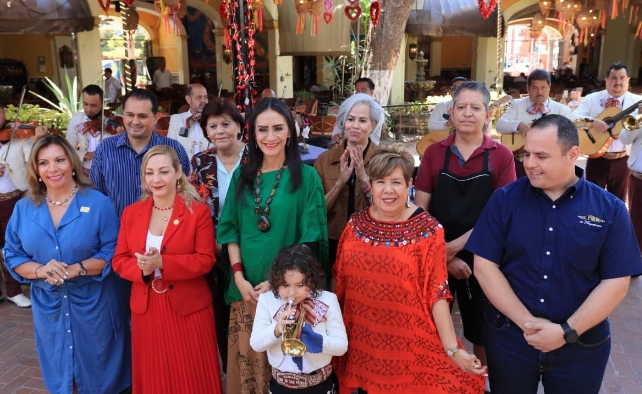
Laura Imelda Pérez Segura, alcaldesa de Tlaquepaque anunció que ya se reactivaron en su totalidad los servicios turísticos y empresariales en el municipio, luego de los sucesos de violencia que se suscitaron el 22 de febrero, de manera que comercios, mercados, servicios y espacios públicos operan con normalidad tanto en el Centro Histórico como en las delegaciones. Enfatizó que la reactivación se ha podido realizar tras la implementación de acciones coordinadas con los tres órdenes de gobierno para garantizar condiciones seguras a visitantes y habitantes.
“Ya se levantó el código rojo que habían activado las autoridades estatales, en coordinación con el Gobierno de México. A nombre del Gobierno de la Ciudad de la Esperanza agradecemos a todos los comercios, tiendas, servicios, mercados y comunidad en general por su apoyo. Ahora regresamos a la normalidad con las actividades que le dan vida a nuestro municipio”, destacó la alcaldesa.
En el anuncio participaron representantes de CANACO Tlaquepaque, Pueblos Mágicos, Destino Tlaquepaque, Mercado Juárez, Mujeres Empresarias y COCIPROTUR, quienes respaldaron el llamado a visitar el municipio.
Asimismo, se confirmó que el transporte público funciona con normalidad, incluida la SITEUR Línea 3, y que los estacionamientos de la zona se encuentran abiertos desde el 24 de febrero.
TLAQUEPAQUE’S TOURISM AND COMMERCIAL ACTIVITIES REACTIVATED AT 100%
Laura Imelda Pérez Segura, mayor of Tlaquepaque, announced that tourism and business services in the municipality have fully resumed following the violence that occurred on February 22. Businesses, markets, services, and public spaces are operating normally in both the Historic Center and the outlying districts. She emphasized that this reactivation was made possible through coordinated actions with all three levels of government to guarantee safe conditions for visitors and residents.
“The red alert activated by state authorities, in coordination with the Mexican government, has been lifted. On behalf of the City of Hope, we thank all businesses, shops, services, markets, and the community in general for their support. We are now returning to normal with the activities that give life to our municipality,” the mayor stated.
Representatives from CANACO Tlaquepaque, Pueblos Mágicos, Destino Tlaquepaque, Mercado Juárez, Mujeres Empresarias, and COCIPROTUR participated in the announcement and endorsed the call to visit the municipality.
It was also confirmed that public transportation is operating normally, including SITEUR Line 3, and that parking lots in the area have been open since February 24.



 balsiaproducciones.com.mx