Archivo de la categoría: ARTE, ARQUITECTURA Y DISEÑO

ARTE. Alfonso Sangüesa exhibe La luna me está mirando, yo no sé lo que me ve en el CAC de Tepic


Se trata de la muestra individual en la que el público puede apreciar poco menos de 70 obras entre dibujo, pintura y escultura en madera a partir del 19 de marzo

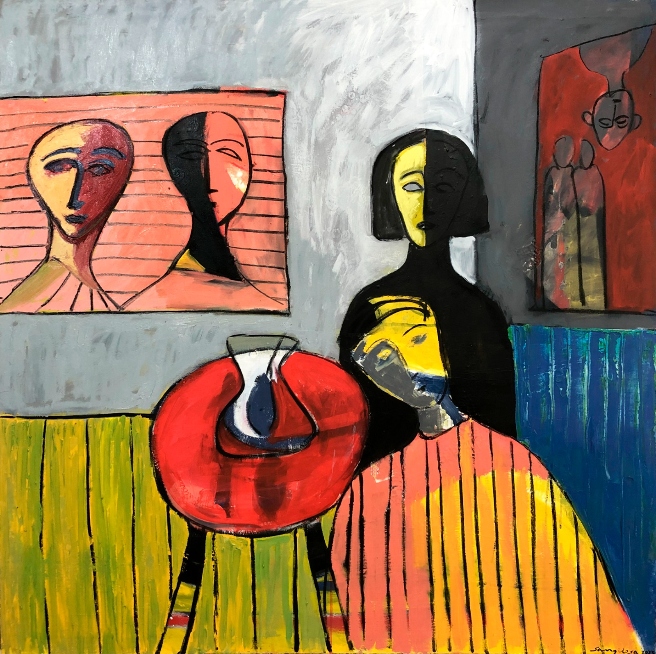
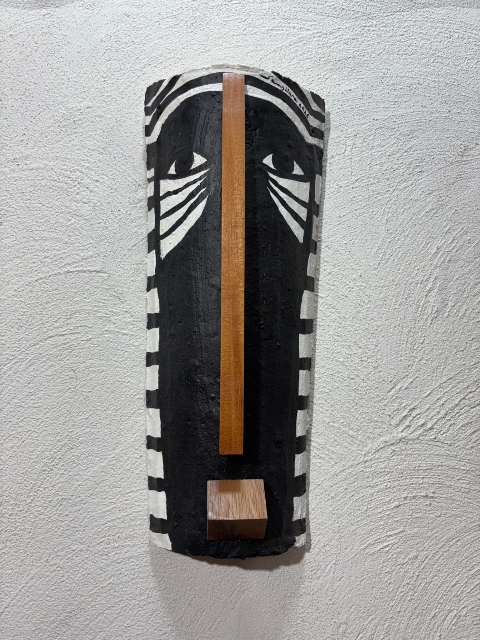
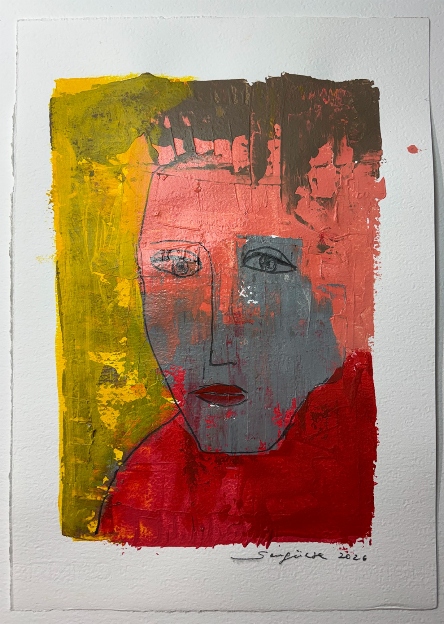
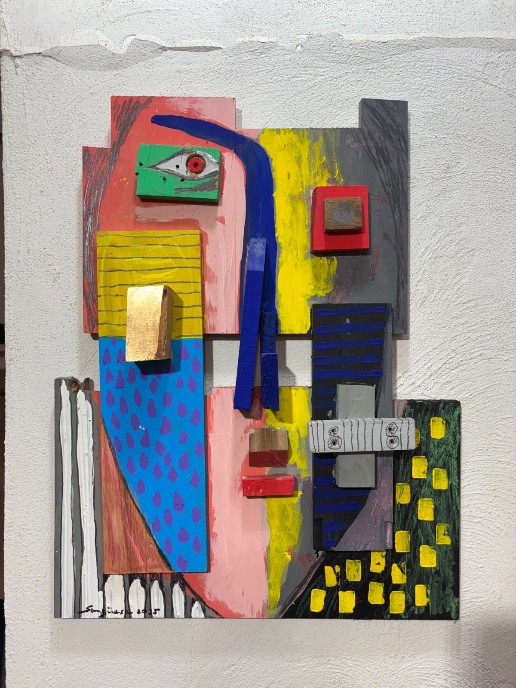
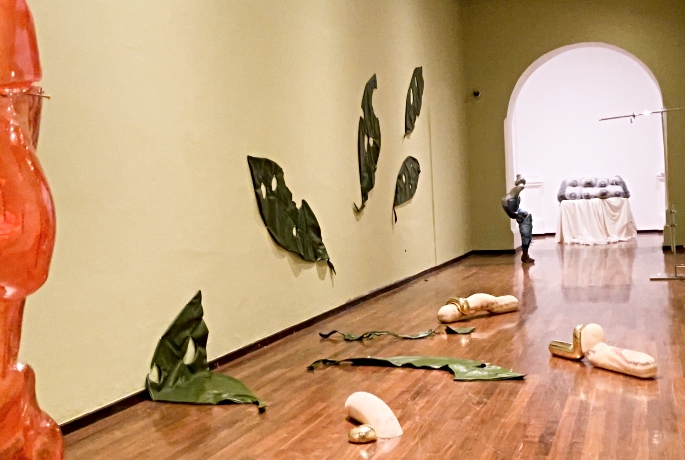
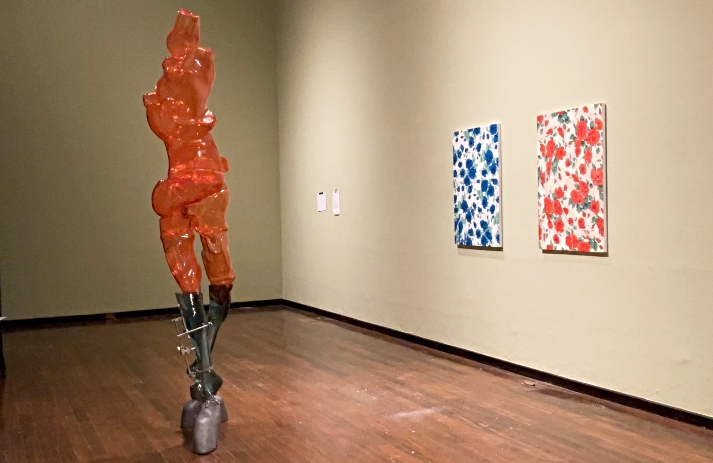
Algunas piezas de la muestra La luna me está mirando, yo no sé lo que me ve… de Alfonso Sangüesa. Fotos. CORTESÍA

Enrique Vázquez Lozano / Tepic

La luna me está mirando, yo no sé lo que me ve… es el título de la exposición plástica de Alfonso Sangüesa que puede visitarse a partir del 19 de marzo en el Centro de Arte Contemporáneo Emilia Ortiz de Tepic Nayarit.

“El título de la muestra es un el fragmento de un verso del poeta y cantautor venezolano Simón Díaz. Muchas de las obras que presento en esta ocasión tienen referencias literarias, históricas o cinematográficas y comparten el hecho de que las concebí con la idea de lograr una mayor interactividad con el espectador”, explicó Sangüesa y añadió: “Lo que el público podrá ver son poco menos de 70 obras, entre escultura en madera, pintura y dibujo”.

También se trata de la primera colectiva que el artista realiza luego de dos años que expuso en Casa Fenelón. “Cada obra que muestro en esta ocasión está pensada para lograr una atmósfera en la que el público se sienta observado. En algunas de las piezas de esta muestra he utilizado lo que encuentro de madera y otros objetos. Los he juntado sin grandes transformaciones y les he dado un significado, son obras que van surgiendo de manera azarosa. Es obra reciente en la que he podido constatar cómo a lo largo de mi trayectoria he aumentado la temperatura del color como una reacción al deslave de estos tiempos modernos. Yo llegué a Tepic en 2010 y mi proceso de creación ha estado estrechamente ligado al hecho de asimilarme como Nayarita y que los colores formas de la región se puedan integrar a mi obra, Tepic es muy colorido y un lugar con mucha luz, tal vez es por eso que disfruto acentuar y resaltar más las formas. El resultado me permite reconocerme lo que soy ahora luego de haber recorrido un largo camino en el que he explorado la pintura al óleo, acrílico, la acuarela y el dibujo a tinta”.

Uno de los propósitos de esta exhibición es reflexionar sobre cuál es el propósito del arte, para qué sirve… No creo que el arte sea un elemento decorativo, creo fervientemente que el arte tiene una función mucho más profunda, que es la comunicación con las personas. El artista debe tomar temas controversiales, tratarlos a través de la imagen y que la gente se pueda reconocer a sí mismos en esas obras, que el arte los lleve a ver las cosas cotidianas desde otra perspectiva”.

Para el artista, “ahora es más importante que nunca ensalzar el arte. Vemos en muchos acontecimientos internacionales cómo dirigentes sociales por su ignorancia, toman muchas veces decisiones gravísimas que afectan a millones de personas. Vemos constantemente el desprecio que algunos sectores de la sociedad tienen hacia la cultura y las artes. Cómo grupos sociales tratan de proyectar de forma fallida, una idea del arte como algo carente de contenido que puede ser sustituido por acciones más superficiales”.
Sangüesa anunció que este año sólo realizará esta muestra y otra también individual en Estocolmo, Suecia en noviembre.

La cita para la inauguración de esta exhibición que estará vigente durante tres meses, es hoy a las 18:00 horas en el Centro de Arte Contemporáneo Emilia Ortiz (CAC) está ubicado en la calle Hidalgo 17 en Tepic. Mayor información en redes sociales del CAC y del artista.

La luna me está mirando, yo no sé lo que me ve… is the title of Alfonso Sangüesa’s art exhibition, which opens on March 19 at the Emilia Ortiz Contemporary Art Center in Tepic, Nayarit.

«The title of the exhibition is a fragment of a verse by the Venezuelan poet and singer-songwriter Simón Díaz. Many of the works I’m presenting this time have literary, historical, or cinematic references and share the fact that I conceived them with the idea of ​​achieving greater interactivity with the viewer,» Sangüesa explained, adding, «The public will be able to see just under 70 works, including wood sculptures, paintings, and drawings.»

This is also the artist’s first group exhibition since his last show at Casa Fenelón two years ago. “Each work I’m showing on this occasion is designed to create an atmosphere where the viewer feels observed. In some of the pieces in this exhibition, I’ve used whatever wood and other objects I find. I’ve brought them together without major alterations and given them meaning; these are works that emerge randomly. This is recent work in which I’ve been able to observe how, throughout my career, I’ve increased the intensity of color as a reaction to the erosion of these modern times. I arrived in Tepic in 2010, and my creative process has been closely linked to assimilating myself as a Nayarit native and integrating the colors and forms of the region into my work. Tepic is very colorful and a place with a lot of light; perhaps that’s why I enjoy accentuating and highlighting forms. The result allows me to recognize who I am now after having traveled a long road exploring oil painting, acrylics, watercolor, and ink drawing.”

One of the purposes of this exhibition is to reflect on the purpose of art, what it’s for… I don’t believe art is merely decorative; I firmly believe that art has a much deeper function, which is communication with people. The artist must take on controversial themes, address them through imagery, and allow people to recognize themselves in these works, so that art leads them to see everyday things from a different perspective.”

For the artist, “now more than ever, it is important to celebrate art. We see in many international events how social leaders, due to their ignorance, often make very serious decisions that affect millions of people. We constantly see the contempt that some sectors of society have for culture and the arts.” How social groups unsuccessfully attempt to project an idea of ​​art as something devoid of content that can be replaced by more superficial actions.” Sangüesa announced that this year she will only hold this exhibition and another solo show in Stockholm, Sweden, in November.

The opening of this exhibition, which will run for three months, is today at 6:00 p.m. at the Emilia Ortiz Contemporary Art Center (CAC), located at 17 Hidalgo Street in Tepic. More information is available on the social media pages of the CAC and the artist.

Arte. El Museo Cabañas alberga la muestra Deseos Diferentes


A partir del 14 de marzo, los visitantes pueden apreciar un conjunto de piezas entre video, instalación, escultura, pintura y fotografía elaborada por Claribel Calderius, Nicole Chaput, Débora Delmar, Elsa-Louise Manceaux, Melanie McLain, Adeline de Monseignat, Sofía Moreno, Berenice Olmedo, Athenea Papacostas y Paloma Rosenzweig bajo la curaduría de Dorothée Dupuis

Con este acto se celebra el Día de las y los artesanos. Fotos. CORTESÍA

Enrique Vázquez Lozano/ Guadalajara

El Museo Cabañas alberga la exposición Deseos diferentes curada por Dorothée Dupuis a partir del 14 de marzo.

Se trata de una colectiva creada ex profeso para este espacio, en la que los visitantes pueden apreciar dibujo, instalación, escultura, video proyecciones e instalaciones sonoras elaboradas por Claribel Calderius, Nicole Chaput, Débora Delmar, Elsa-Louise Manceaux, Melanie McLain, Adeline de Monseignat, Sofía Moreno, Berenice Olmedo, Athenea Papacostas y Paloma Rosenzweig entre 2021 y 2026, según compartió Dupuis, quien agregó: “La muestra nace de mi práctica como curadora que he trabajado desde hace muchos años con artistas mujeres. Todas las obras se conectn con los pensamientos de la Diferencia… pensamientos de artistas que nacieron en el Norte de Europa en la década de los setenta y que básicamente consideran que la femenidad no es solo lo opuesto de lo masculino, sino más bien una categoría en sí misma por inventar. Por mucho tiempo lo femenino se vio de una forma peyorativa como un complemento de lo masculino. Esta muestra es la oportunidad para considerar de nuevo estos pensamientos y todas las posibilidades de la imagnación radical de ciertos conceptos asociados a la feminidad, como esta pieza de Paloma Rosennzeig que muestra de forma fantástica la potencia nutritiva animal infinita de lo femenino”.

En todas las piezas se encuentra esta idea de lo femenino como una construcción que puede reclamarse mucho más allá de un cuerpo determinado por ciertas características, explicó Dupuis y gregó: “varias de las piezas están realizadas en gran formato y lo que debe destacarse también es que si bien, hay instalaciones, también encontraremos pinturas al óleo y fotografías, como muestra de la versatilidad del talento que poseen las artistas que hemos logrado reunir”.
De acuerdo con la curadora, la muestra se compone de tres núcleos: “El primero se enfoca en esta idea del cuerpo biológico de los prejuicios sobre el cuerpo femenino y sus potencialidades mágicas, en el segundo núcleo prevalece la idea de la palabra, el lenguaje. En él se hace referencia cómo las mujeres han tomado la voz y cuestionan las estructuras de poder a través de la invención de lenguajes pictóricos y espaciales, desafían al psicoanálisis y desafían las tradiciones patriarcales de la crítica de arte. como establecer su propia voz. En el tercer núcleo se habla de esta relación de las mujeres con el entorno, otras formas de existencia y convivencia con la naturaleza,, la postura de los feminismos que proyectan un post mundo en el que se pueden reparar los daños que se le ha hecho a la naturaleza por siglos”.

Dorothée Dupuis (París, 1980) es curadora, crítica e historiadora del arte cuya práctica se sitúa en la intersección entre arte contemporáneo, política y pensamiento feminista. Ha desarrollado proyectos curatoriales, editoriales y de investigación que exploran las relaciones entre estética, teoría crítica y contextos sociales.

Es fundadora de la reconocida revista de arte contemporáneo Terremoto y actualmente dirige
Temblores Publicaciones, una editorial dedicada a la producción de pensamiento crítico en torno al arte. A lo largo de su trayectoria ha colaborado con museos, espacios independientes y publicaciones internacionales, consolidándose como una figura relevante en el diálogo entre el arte contemporáneo y los debates culturales actuales.

Mayor información en el sitio: https://museocabanas.jalisco.gob.mx/

The Cabañas Museum hosts the exhibition Different Desires, curated by Dorothée Dupuis, starting March 14.

This is a group exhibition created specifically for this space, where visitors can appreciate drawings, installations, sculptures, video projections, and sound installations created by Claribel Calderius, Nicole Chaput, Débora Delmar, Elsa-Louise Manceaux, Melanie McLain, Adeline de Monseignat, Sofía Moreno, Berenice Olmedo, Athenea Papacostas, and Paloma Rosenzweig between 2021 and 2026, as Dupuis explained. She added, “The exhibition stems from my experience as a curator, having worked for many years with women artists. All the works connect with the ideas of Difference—the ideas of artists who emerged in Northern Europe in the 1970s and who essentially consider femininity not only the opposite of masculinity, but rather a category in itself, yet to be invented. For a long time, the feminine was viewed pejoratively as a complement to the masculine. This exhibition is an opportunity to reconsider these ideas and all the possibilities of the imagination.” “A radical take on certain concepts associated with femininity, like this piece by Paloma Rosennzeig that fantastically displays the infinite, animalistic, nourishing power of the feminine.”

“In all the pieces, we find this idea of ​​the feminine as a construct that can be claimed far beyond a body defined by certain characteristics,” explained Dupuis, adding: “Several of the pieces are large-format, and it should also be noted that while there are installations, we will also find oil paintings and photographs, demonstrating the versatility of the talent possessed by the artists we have brought together.” According to the curator, the exhibition is composed of three sections: “The first focuses on the idea of ​​the biological body, the prejudices surrounding the female body, and its supposed magical potential. The second section emphasizes the power of words and language. It explores how women have found their voice and challenged power structures through the invention of pictorial and spatial languages, defying psychoanalysis and patriarchal traditions of art criticism, and establishing their own voice. The third section addresses women’s relationship with the environment, other forms of existence and coexistence with nature, and the stance of feminisms that envision a post-world in which the damage done to nature over centuries can be repaired.”

Dorothée Dupuis (Paris, 1980) is a curator, critic, and art historian whose practice lies at the intersection of contemporary art, politics, and feminist thought. She has developed curatorial, editorial, and research projects that explore the relationships between aesthetics, critical theory, and social contexts.

She is the founder of the renowned contemporary art magazine Terremoto and currently directs Temblores Publicaciones, a publishing house dedicated to producing critical thought on art. Throughout her career, she has collaborated with museums, independent spaces, and international publications, establishing herself as a key figure in the dialogue between contemporary art and current cultural debates.

More information in the website https://museocabanas.jalisco.gob.mx/