

FICG. Aranofsky exhibe colaboración con LIQEN y charla sobre su proceso creativo
FICG. Aronofsky Exhibits Collaboration with LIQEN and Talks About His Creative Process

21 de Abril /April 21th 2026

La visita de Darren Aranofsky a la edición 41 del FICG fue uno de los acontecimientos más relevantes del programa de actividades del 21 de abril.
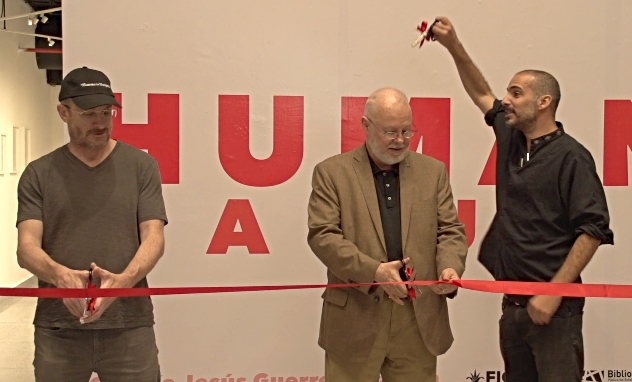
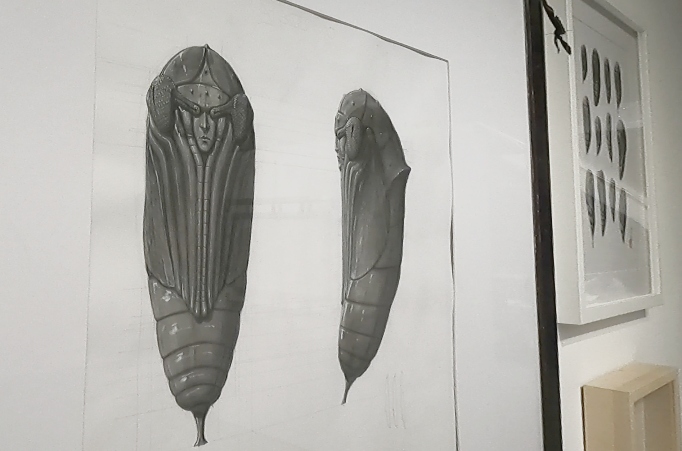
Por la mañana el destacado director estadunidense inauguró la muestra Human Nature en la Biblioteca Pública del Estado de Jalisco Juan José Arreola, que se compone de doce piezas y bocetos que elaboró en colaboración con el artista visual LIQEN y por la tarde ofreció la charla titulada Finding the Language of a Film
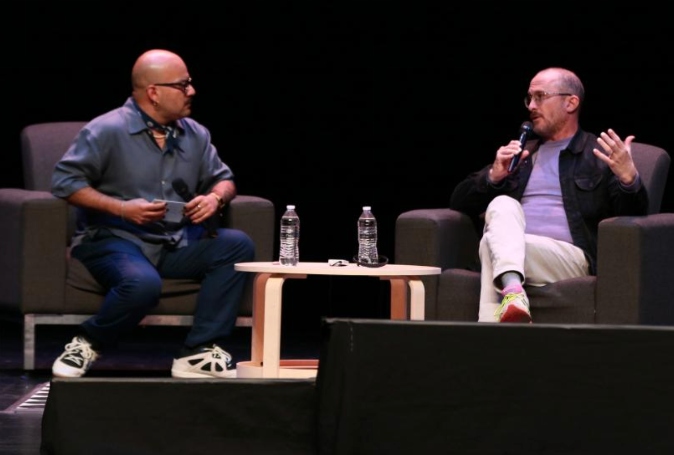
En ella Aranofsky conversó con Gonzalo Lira acerca de su proceso creativo, confeso que su primera película la concretó con recursos limitados y encontró que la creatividad emerge más en condiciones no favorables.
Destacó que los festivales son el escenario más óptimo para que creadores emergentes encuentren su público. Dijo que trabajar con grandes actores y actrices como Ellen Burstyn que tenían más trayectoria que él en la industria, le ayudó a resolver ciertas inseguridades que él tenía en un tiempo en el que aún se consideraba creador en formación. Recordó a una Burstyn inmersa en su proceso creativo, “la energía que emanan los actores en algunos momentos llega a ser muy profunda… es cuando vemos a un atleta en su mejor momento o a un músico en un concierto”.
Dijo que una de las cintas que le costó más realizar fue The Wrestler, con la cual ganó el Festival de Venecia y logró venderla en Toronto. Compartió que en la industria cinematográfica los creativos siempre se enfrentan a rechazos constantes y negociaciones complejas.
Darren Aronofsky’s visit to the 41st edition of FICG was one of the highlights of the April 21st program.
In the morning, the renowned American director inaugurated the exhibition «Human Nature,» at the Juan José Arreola State Public Library of Jalisco, comprised of twelve pieces and sketches created in collaboration with visual artist LIQEN. In the afternoon, he gave a talk titled «Finding the Language of a Film.» During the talk, Aronofsky spoke with Gonzalo Lira about his creative process, confessing that he made his first film with limited resources and discovered that creativity emerges more readily under unfavorable conditions.
He emphasized that festivals are the ideal platform for emerging filmmakers to find their audience. He said that working with established actors and actresses like Ellen Burstyn, who had more experience in the industry than he did, helped him overcome certain insecurities he had at a time when he still considered himself a developing artist. She recalled Burstyn immersed in her creative process, saying, “The energy that the actors emanate at certain moments becomes very profound… it’s like when we see an athlete at their peak or a musician in concert.”
She said that one of the most challenging films to make was The Wrestler, which won the Venice Film Festival and was successfully sold at Toronto. She shared that in the film industry, creatives always face constant rejections and complex negotiations.
ARGENTINA. Entregan a Sebastián Lelio el Mayahuel Iberoamericano
ARGENTINA. Sebastián Lelio Receives the Ibero-American Mayahuel Award
21 de Abril /April 21th 2026
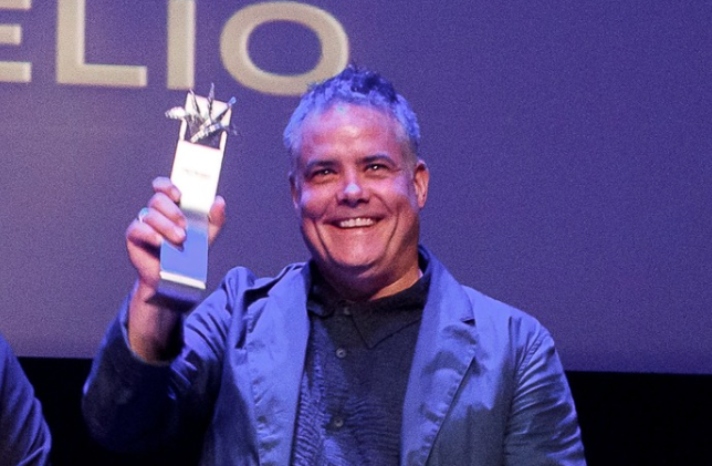
Sebastián Lelio, fue reconocido por el FICG con la entrega del Mayahuel Iberoamericano, durante una charla en la que el director compartió su experiencia que o ha llevado a escribir y filmar películas como como Una mujer fantástica (2017), Gloria (2013) y Disobedience (2017) a lo largo de 20 años de trayectoria.
Dijo que a diferencia de los artistas que no hacen concesiones, su cine es producto de las concesiones y mencionó que en cine la política y el arte son inseparables.
Sebastián Lelio was recognized by the Guadalajara International Film Festival (FICG) with the Ibero-American Mayahuel Award during a talk in which the director shared his experience writing and filming movies such as A Fantastic Woman (2017), Gloria (2013), and Disobedience (2017) over his 20-year career.
He stated that, unlike artists who make no concessions, his cinema is a product of compromise, and mentioned that in film, politics and art are inseparable.
ANIMACIÓN. Antonia Sofía Silva Alvarado ganó la Beca Jenkins del Toro
ANIMATION. Antonia Sofía Silva Alvarado Wins the Jenkins-Del Toro Grant
21 de Abril /April 21th 2026
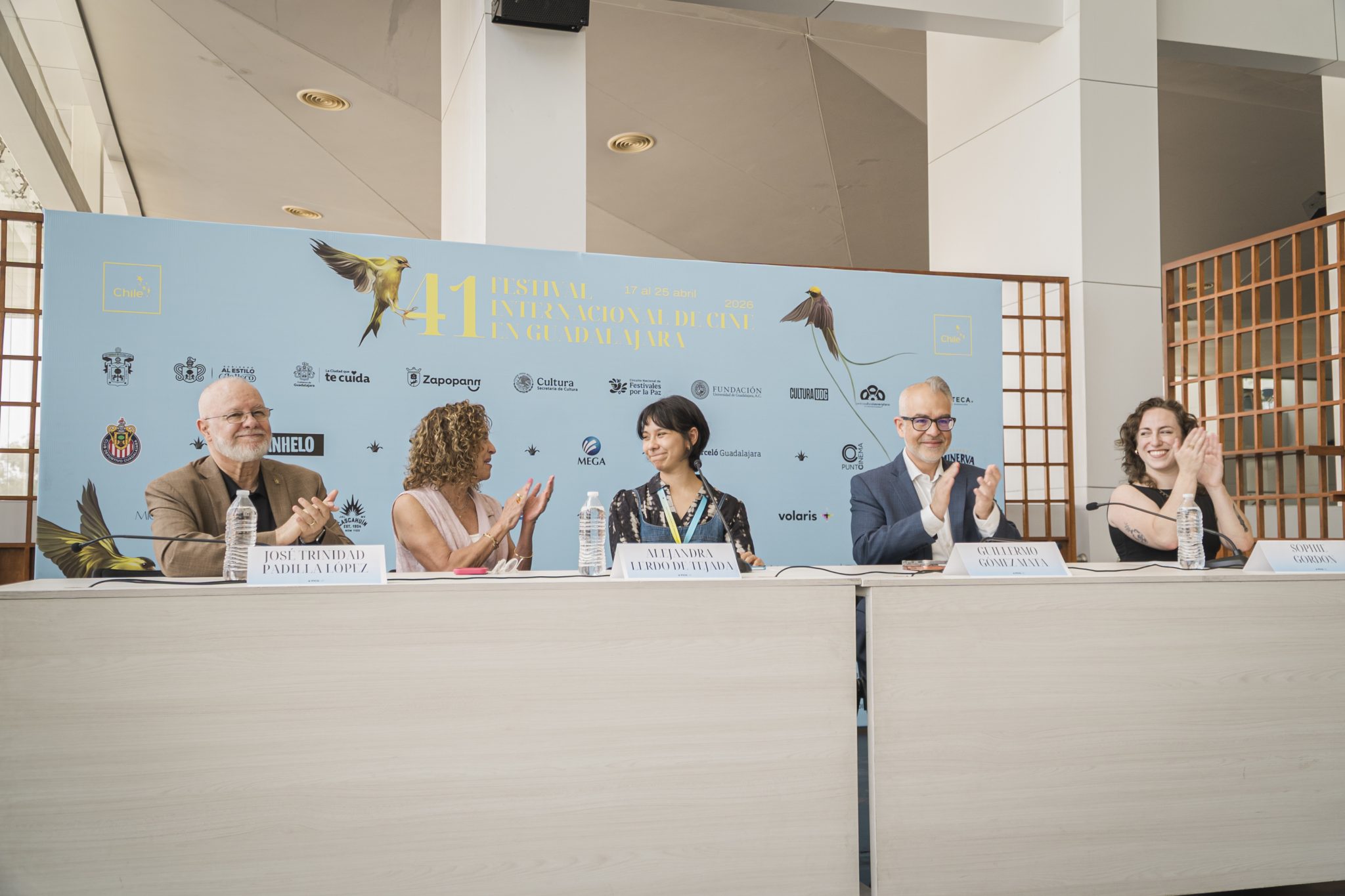
Antonia Sofía Silva Alvarado es la ganadora de la Beca Jenkins-Del Toro de este año y que fue seleccionada por su cortometraje El canto del jaguar. Por medio de un video, el cineasta tapatío Guillermo del Toro felicitó a la ganadora de la beca y añadió que esta ha sido una oportunidad para muchos jóvenes cineastas en México. “Creemos en el futuro y en la narrativa del cine en manos de los jóvenes”, dijo.
Antonia Sofía Silva Alvarado es la ganadora de la Beca Jenkins-Del Toro de este año y que fue seleccionada por su cortometraje El canto del jaguar. Por medio de un video, el cineasta tapatío Guillermo del Toro felicitó a la ganadora de la beca y añadió que esta ha sido una oportunidad para muchos jóvenes cineastas en México. “Creemos en el futuro y en la narrativa del cine en manos de los jóvenes”, dijo.
COSPLAY. C-Pher habló de su universo cinematográfico
COSPLAY. C-Pher Discusses Her Cinematic Universe
21 de Abril /April 21th 2026
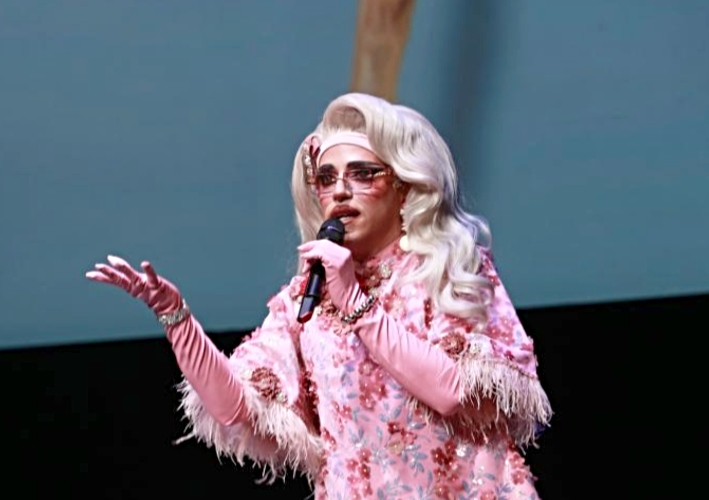
C-Pher, la chilena, ganadora del Premio Maguey Drag Icon, quien posee una gran trayectoria en el mundo cosplay y drag aseguró en su charla El universo cinematográfico de C-Pher, que estas prácticas deben ser consideradas como un arte legítimo.
Relató cómo, procedente de un pueblo del Norte de Chile emigró a Santiago a la edad de 18 años en donde estudió ciencias sociales, pedagogía y diseño de vestuario y comenzó a trabajar cada vez más en el mundo del cosplay haciendo sus propios atuendos, para luego saltar al mundo Drag y radicar en México, país en el que dijo haber alcanzado su mayor libertad creativa y éxito.
C-Pher, the Chilean winner of the Maguey Drag Icon Award, who has a long and distinguished career in the world of cosplay and drag, asserted in her talk, «C-Pher’s Cinematic Universe,» that these practices should be considered a legitimate art form.
She recounted how, coming from a town in northern Chile, she emigrated to Santiago at the age of 18, where she studied social sciences, pedagogy, and costume design. She began working increasingly in the world of cosplay, creating her own outfits, before transitioning to the world of drag and settling in Mexico, a country where she said she achieved her greatest creative freedom and success.

