FILM. BFI London Film Festival Reaches Its 70th Edition
Con la programación de más de 250 filmes, el encuentro que se realiza del 7 al 18 de octubre contará con la presencia de estrellas como Julianne Moore, Paul Giamatti, Penélope Cruz y Javier Bardem
With a lineup of over 250 films, the event—taking place from October 7 to 18—will feature stars such as Julianne Moore, Paul Giamatti, Penélope Cruz, and Javier Bardem.
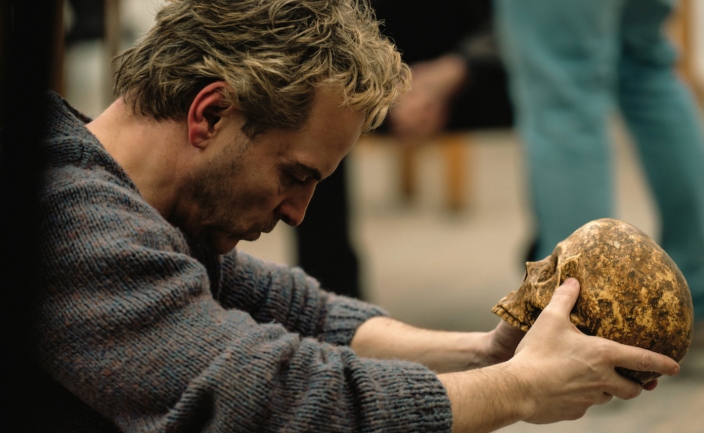
Fotograma de Elsinore. CORTESÍA
Enrique Vázquez Lozano / Agencias
EL BFI London Film Festival 2026 reúne cine internacional y grandes figuras La 70.ª edición del BFI London Film Festival (LFF) se celebrará del 7 al 18 de octubre de 2026 con una programación de 251 títulos procedentes de 88 países, entre largometrajes, cortometrajes y experiencias inmersivas. El encuentro vuelve a convertir a Londres en un punto de encuentro para el cine internacional, con una selección que combina grandes producciones, propuestas independientes y voces emergentes. Entre las figuras más esperadas se encuentra Andrew Scott, protagonista de la gala de apertura. También destaca la presencia de Javier Bardem y Penélope Cruz, vinculados a una importante representación del cine español. Bardem participará además en una de las reconocidas Screen Talks del festival. La gala de clausura estará encabezada por Julianne Moore y Paul Giamatti, mientras que Andrew Garfield protagoniza una producción inspirada en la figura del empresario tecnológico Sam Altman. La agenda de encuentros también reunirá a cineastas de amplia trayectoria como Danny Boyle, Sofia Coppola, Luca Guadagnino y Ava DuVernay, además de Jesse Eisenberg, quien debuta como director de largometraje. Entre los títulos principales sobresale Elsinore, de Simon Stone, elegida para inaugurar el festival. El drama aborda la historia del actor Ian Charleson y su interpretación de Hamlet en 1989, durante los últimos años de su vida. Para la clausura se presentará The Debut, comedia dramática dirigida por Jesse Eisenberg y protagonizada por Julianne Moore. La programación incluye también Artificial, de Luca Guadagnino, un thriller inspirado en la figura de Sam Altman; Ink, la nueva película de Danny Boyle, seleccionada para la Gala del Alcalde de Londres; y Behemoth!, de Tony Gilroy, presentada en la BFI Patron’s Gala. El cine español e iberoamericano tendrá una presencia destacada. Entre las producciones programadas figuran El ser querido, de Rodrigo Sorogoyen, protagonizada por Javier Bardem y Victoria Luengo; La bola negra, de Javier Ambrossi y Javier Calvo; y Bunker, de Florian Zeller, con Penélope Cruz y Javier Bardem. Las funciones se distribuirán en espacios emblemáticos como BFI Southbank y Royal Festival Hall, consolidando una edición que celebra siete décadas del festival con una amplia representación internacional y una programación que conecta cine de autor, grandes nombres y nuevas propuestas. Más información en el sitio https://whatson.bfi.org.uk/lff/Online/default.asp
BFI London Film Festival 2026 Brings Together International Cinema and Major Stars The 70th edition of the BFI London Film Festival (LFF) will take place from October 7 to 18, 2026, featuring a program of 251 titles from 88 countries, including feature films, short films, and immersive experiences. The event once again turns London into a hub for international cinema, with a selection that combines major productions, independent works, and emerging voices. Among the most anticipated figures is Andrew Scott, the star of the opening night gala. Also notable is the presence of Javier Bardem and Penélope Cruz, representing a significant contingent of Spanish cinema; Bardem will also participate in one of the festival’s renowned «Screen Talks.» The closing gala will be headlined by Julianne Moore and Paul Giamatti, while Andrew Garfield stars in a production inspired by tech entrepreneur Sam Altman. The schedule of events will also bring together acclaimed filmmakers such as Danny Boyle, Sofia Coppola, Luca Guadagnino, and Ava DuVernay, as well as Jesse Eisenberg, who is making his feature film directorial debut. Key titles include Elsinore by Simon Stone, selected to open the festival. This drama explores the story of actor Ian Charleson and his 1989 portrayal of Hamlet during the final years of his life. The festival will close with the presentation of The Debut, a comedy-drama directed by Jesse Eisenberg and starring Julianne Moore. The lineup also includes Artificial by Luca Guadagnino, a thriller inspired by Sam Altman; Ink, the new film by Danny Boyle, selected for the Mayor of London’s Gala; and Behemoth! by Tony Gilroy, presented at the BFI Patron’s Gala. Spanish and Ibero-American cinema will have a prominent presence. Scheduled productions include El ser querido by Rodrigo Sorogoyen, starring Javier Bardem and Victoria Luengo; La bola negra by Javier Ambrossi and Javier Calvo; and Bunker by Florian Zeller, featuring Penélope Cruz and Javier Bardem. Screenings will take place at iconic venues such as BFI Southbank and the Royal Festival Hall, cementing an edition that celebrates the festival’s seven-decade history with broad international representation and a program that bridges auteur cinema, major names, and fresh new works. More information at the website https://whatson.bfi.org.uk/lff/Online/default.asp
CINE. Wildwood: El bosque salvaje llegará a los cines mexicanos el 29 de octubre
FILM. Wildwood arrives in Mexican theaters on October 29
23 de Octubre /October 23th 2026
La nueva película de LAIKA Studios, Wildwood: El bosque salvaje, reúne fantasía, aventura y talento mexicano en su llegada a las salas de cine. Distribuida por Imagem Films Mx, la producción tendrá funciones de preestreno del 23 al 25 de octubre, antes de su estreno comercial en México, previsto para el 29 de octubre de 2026.
Como parte de la promoción, Macarena García, Javier Ibarreche y Emilio Treviño participaron en una conferencia de prensa para compartir su experiencia en el doblaje al español latino. García da voz a Prue; Treviño interpreta a Curtis, e Ibarreche presta su voz a Brendan. Posteriormente, los actores participaron en una alfombra verde, a la que se sumó Natalia Téllez, intérprete de Alexandra.
Dirigida por Travis Knight y escrita por Chris Butler, la cinta está inspirada en la novela de Colin Meloy y marca el regreso de LAIKA a la pantalla grande con su distintiva animación stop-motion, técnica artesanal que da vida a personajes y escenarios cuadro por cuadro.
La historia sigue a Prue McKeel, una adolescente que emprende una peligrosa misión para rescatar a su hermano bebé, secuestrado por una parvada de cuervos y llevado a un bosque encantado. Acompañada por su amigo Curtis, descubrirá un mundo de animales parlantes, criaturas extraordinarias y personajes cuyas decisiones amenazan el equilibrio del lugar.
Con una historia que aborda la amistad, la familia, el sacrificio y el valor de enfrentar lo desconocido, Wildwood: El bosque salvaje invita al público a adentrarse en un universo fantástico donde la imaginación y el coraje serán fundamentales para superar los desafíos.
The new film from LAIKA Studios, Wildwood, brings together fantasy, adventure, and Mexican talent as it heads to the big screen. Distributed by Imagem Films Mx, the production will have preview screenings from October 23 to 25, ahead of its commercial release in Mexico, scheduled for October 29, 2026.
As part of the promotional campaign, Macarena García, Javier Ibarreche, and Emilio Treviño took part in a press conference to share their experience working on the Latin American Spanish dub. García voices Prue; Treviño plays Curtis, and Ibarreche provides the voice for Brendan. Afterward, the actors appeared on a «green carpet,» joined by Natalia Téllez, who voices the character Alexandra.
Directed by Travis Knight and written by Chris Butler, the film is inspired by the novel by Colin Meloy. It marks LAIKA’s return to the big screen, showcasing the studio’s signature stop-motion animation—a meticulous, handcrafted technique that brings characters and settings to life, frame by frame.
The story follows Prue McKeel, a teenager who embarks on a dangerous mission to rescue her baby brother, who has been abducted by a flock of crows and taken to an enchanted forest. Accompanied by her friend Curtis, she discovers a world of talking animals, extraordinary creatures, and characters whose choices threaten the balance of this realm.
With a narrative that explores themes of friendship, family, sacrifice, and the courage to face the unknown, Wildwood invites audiences to step into a fantastical universe where imagination and bravery are essential to overcoming the challenges ahead.
CINE y TV. Murió Tom Skerritt
FILM and TV. Tom Skerritt Has Died
22 de Octubre /October 22th 2026
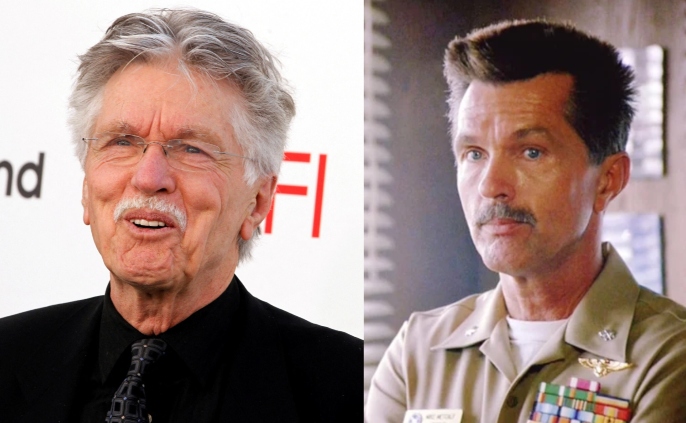
El actor estadounidense Tom Skerritt falleció el miércoles 21 de octubre de 2026, a los 93 años, por causas naturales, según información difundida por su familia. La noticia se dio a conocer públicamente el jueves 22 de octubre, de acuerdo con reportes de medios internacionales.
Con más de seis décadas de trayectoria y alrededor de 170 créditos actorales, Skerritt construyó una sólida carrera en cine y televisión, con personajes memorables en producciones que marcaron distintas generaciones.
Su debut cinematográfico ocurrió en 1962 con War Hunt, drama bélico en el que compartió créditos con Robert Redford. En 1970 participó en MASH*, de Robert Altman, donde interpretó al cirujano Duke Forrest.
Uno de sus papeles más reconocidos fue el del capitán Arthur Dallas en Alien (1979), dirigida por Ridley Scott. Años después, interpretó al comandante Mike “Viper” Metcalf en Top Gun (1986), junto a Tom Cruise.
En televisión alcanzó uno de sus mayores reconocimientos al ganar el premio Emmy en 1993 como mejor actor principal en una serie dramática por su papel del sheriff Jimmy Brock en Picket Fences.
Su filmografía también incluye títulos como The Dead Zone (1983), Steel Magnolias (1989), A River Runs Through It (1992) y Contact (1997).
Más allá de la actuación, Skerritt sirvió en la Fuerza Aérea estadounidense durante su juventud y participó en iniciativas educativas y sociales. Cofundó TheFilmSchool, en Seattle, y creó The Red Badge Project, enfocado en apoyar a veteranos de guerra mediante la escritura y la narrativa.
Su legado permanece en una filmografía diversa que abarcó el drama, la ciencia ficción y el cine de acción.
American actor Tom Skerritt passed away on Wednesday, October 21, 2026, at the age of 93, from natural causes, according to information released by his family. The news was made public on Thursday, October 22, as reported by international media outlets.
With a career spanning more than six decades and approximately 170 acting credits, Skerritt built a solid reputation in film and television, portraying memorable characters in productions that left their mark on various generations.
He made his film debut in 1962 in War Hunt, a war drama in which he appeared alongside Robert Redford. In 1970, he featured in Robert Altman’s MASH*, playing the role of surgeon Duke Forrest.
One of his most iconic roles was that of Captain Arthur Dallas in Alien (1979), directed by Ridley Scott. Years later, he played Commander Mike “Viper” Metcalf in Top Gun (1986), starring alongside Tom Cruise.
In television, he achieved significant acclaim by winning an Emmy Award in 1993 for Outstanding Lead Actor in a Drama Series for his portrayal of Sheriff Jimmy Brock in Picket Fences.
His filmography also includes titles such as The Dead Zone (1983), Steel Magnolias (1989), A River Runs Through It (1992), and Contact (1997).
Beyond his acting career, Skerritt served in the U.S. Air Force in his youth and was involved in various educational and social initiatives. He co-founded TheFilmSchool in Seattle and created The Red Badge Project, an initiative dedicated to supporting military veterans through writing and storytelling.
His legacy lives on through a diverse body of work that spanned drama, science fiction, and action cinema.
LETRAS. Julieta Venegas, Gioconda Belli, Rebecca F. Kuang y Bocafloja protagonizarán FIL Joven
LITERATURE. Julieta Venegas, Gioconda Belli, Rebecca F. Kuang, and Bocafloja to headline FIL Joven
22 de Octubre /October 22th 2026
La Feria Internacional del Libro de Guadalajara (FIL) celebrará su edición 40 con una amplia oferta de actividades para jóvenes, entre ellas encuentros con escritores, charlas sobre poesía y literatura fantástica, presentaciones editoriales y más de cien sesiones de Ecos de la FIL en preparatorias de la Universidad de Guadalajara.
El programa Mil Jóvenes con… reunirá a figuras como la poeta nicaragüense Gioconda Belli, la cantautora Julieta Venegas, los escritores David Uclés y Benito Taibo, el arqueólogo Eduardo Matos Moctezuma y la autora María Baranda, quienes conversarán con estudiantes y lectores.
La programación incluye “Sabines para jóvenes”, con Julia Santibáñez, Fernando Rivera Calderón y Benito Taibo; “Imaginar también es resistir: el poder de la literatura fantástica”, con Rebecca F. Kuang, Ximena Haro, Balu y Adrián Chávez, así como “Rap y la poesía”, donde participará el artista mexicano Bocafloja junto con Alejandra Martínez de Miguel y Frank Báez.
También habrá encuentros sobre el futuro, el pódcast como herramienta narrativa y los libros como refugio ante la incertidumbre. En las novedades editoriales destacan Rebecca F. Kuang, con Una historia de Taipéi, y Joe Abercrombie, con Los diablos, además de autoras de fantasía, romance y literatura juvenil.
FIL Joven reconocerá el talento estudiantil mediante los concursos Creadores Literarios FIL Joven 2026 y Cartas al Autor, dedicado este año al francés Quentin Zuttion. La oferta se complementará con El Punto. Foro de Lectores y Creadores Literarios y el Encuentro Nacional de Creadores Literarios, que abordará la inteligencia artificial y el fenómeno del romantasy desde una perspectiva de género.
The Guadalajara International Book Fair (FIL) will celebrate its 40th edition with an extensive range of activities for young people, including meetings with writers, discussions on poetry and fantasy literature, book presentations, and over one hundred “Ecos de la FIL” (Echoes of the FIL) sessions held at high schools affiliated with the University of Guadalajara.
The “Mil Jóvenes con…” (A Thousand Young People with…) program will bring together prominent figures—such as Nicaraguan poet Gioconda Belli, singer-songwriter Julieta Venegas, writers David Uclés and Benito Taibo, archaeologist Eduardo Matos Moctezuma, and author María Baranda—for conversations with students and readers.
The program features “Sabines for Young People,” with Julia Santibáñez, Fernando Rivera Calderón, and Benito Taibo; “Imagining Is Also Resisting: The Power of Fantasy Literature,” with Rebecca F. Kuang, Ximena Haro, Balu, and Adrián Chávez; and “Rap and Poetry,” featuring Mexican artist Bocafloja alongside Alejandra Martínez de Miguel and Frank Báez.
There will also be sessions exploring the future, the use of podcasts as a narrative tool, and books as a refuge in times of uncertainty. Notable new releases include works by Rebecca F. Kuang (A Taipei Story) and Joe Abercrombie (The Devils), alongside various titles in the fantasy, romance, and young adult genres.
FIL Joven will also celebrate student talent through the “FIL Joven Literary Creators 2026” competition and the “Letters to the Author” contest—which this year honors French author Quentin Zuttion. The program is further complemented by “El Punto: Forum for Readers and Literary Creators” and the “National Meeting of Literary Creators,” which will examine artificial intelligence and the “romantasy” phenomenon through a gender-focused lens.
MÚSICA. Fallece a los 50 años el artista vasco Igor Arzuaga
MUSIC. Basque artist Igor Arzuaga dies at 50
22 de Octubre /October 22th 2026
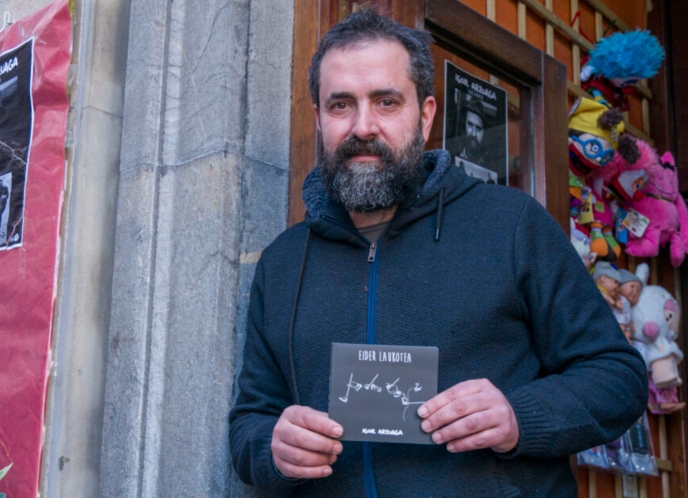
El músico, poeta y pintor vasco Igor Arzuaga falleció el martes 20 de octubre de 2026, a los 50 años, en su localidad natal de Llodio, Álava. Hasta el momento, no se han hecho públicas las causas de su muerte.
Considerado una figura destacada de la cultura independiente vasca, Arzuaga desarrolló durante más de tres décadas una trayectoria multidisciplinaria. A los 18 años se incorporó a Exkixu, reconocida banda de rock en euskera, y posteriormente formó parte de agrupaciones como Une Latzak, con la que compartió escenario con Green Day, y Eitina.
Como solista, publicó más de una docena de álbumes independientes, entre ellos Argi izpi bat (2002), Smog (2004), Ekaitza ostean (2021) y Eider laukotea (2025). Su dominio del piano, la guitarra, el acordeón, el bajo y los teclados le permitió explorar diversos lenguajes musicales.
Su obra también abarcó la poesía, con los poemarios en castellano De espantapájaros y escarcha y Embriagado de infinitos, así como la pintura y la ilustración. Además, colaboró en proyectos de radio comunitaria y teatro independiente.
A principios de octubre, sus composiciones para piano acompañaron la inauguración de Parkea, la renovada Casa de la Cultura instalada en el palacio de Lamuza, en Llodio. La presentación se convirtió en una de sus últimas apariciones artísticas, antes de su fallecimiento.
Basque musician, poet, and painter Igor Arzuaga passed away on Tuesday, October 20, 2026, at the age of 50, in his hometown of Llodio, Álava. As of now, the cause of his death has not been disclosed.
Regarded as a prominent figure in Basque independent culture, Arzuaga pursued a multidisciplinary career spanning more than three decades. At the age of 18, he joined Exkixu—a well-known rock band that performed in the Basque language—and later became a member of groups such as Une Latzak (with whom he once shared a stage with Green Day) and Eitina.
As a solo artist, he released over a dozen independent albums, including Argi izpi bat (2002), Smog (2004), Ekaitza ostean (2021), and Eider laukotea (2025). His proficiency with the piano, guitar, accordion, bass, and keyboards allowed him to explore a wide range of musical idioms.
His creative output also extended to poetry—notably the Spanish-language collections De espantapájaros y escarcha and Embriagado de infinitos—as well as painting and illustration. Furthermore, he contributed to projects in community radio and independent theater.
In early October, his piano compositions accompanied the opening of Parkea, a renovated cultural center housed within the Lamuza Palace in Llodio. This event served as one of his final artistic appearances before his passing.
ARTES VISUALES. Anna Bella Geiger gana el Premio Velázquez de las Artes Plásticas 2026
VISUAL ARTS. Anna Bella Geiger wins the 2026 Velázquez Prize for the Visual Arts
22 de Octubre /October 22th 2026
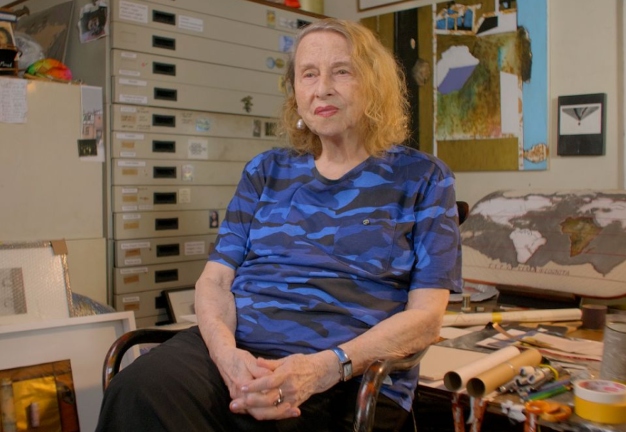
La artista brasileña Anna Bella Geiger fue distinguida con el Premio Velázquez de las Artes Plásticas 2026, otorgado por el Ministerio de Cultura de España, en reconocimiento a una trayectoria internacional de más de siete décadas. El galardón está dotado con 100 mil euros.
El jurado, presidido por Ángeles Albert, directora general de Patrimonio Cultural y Bellas Artes, destacó la experimentación multidisciplinaria de Geiger, quien ha desarrollado una obra que abarca el grabado, la pintura, la fotografía, el video, la instalación y el libro de artista.
Asimismo, reconoció su contribución pedagógica a la formación de distintas generaciones de creadores y el carácter crítico de su trabajo, que cuestiona las formas tradicionales de validar el arte y propone nuevas perspectivas para la descolonización de los museos y las prácticas artísticas.
Nacida en Río de Janeiro en 1933, Geiger inició su formación en Brasil y posteriormente profundizó sus estudios de Sociología y Arte en Nueva York. Su trayectoria la convirtió en una figura pionera del videoarte brasileño y en una referente de la experimentación artística contemporánea.
A lo largo de su carrera, ha participado en importantes encuentros internacionales, como las bienales de Venecia y São Paulo. Sus obras también forman parte de destacadas colecciones públicas en ciudades como Madrid, Londres y Nueva York.
Con este reconocimiento, el Premio Velázquez distingue una práctica artística que combina la investigación formal con la reflexión histórica y social, y que ha contribuido a ampliar los límites del arte contemporáneo y sus formas de interpretación.
Brazilian artist Anna Bella Geiger has been awarded the 2026 Velázquez Prize for the Visual Arts—presented by the Spanish Ministry of Culture—in recognition of an international career spanning more than seven decades. The award carries a cash prize of 100,000 euros.
The jury, chaired by Ángeles Albert, Director General of Cultural Heritage and Fine Arts, highlighted Geiger’s multidisciplinary experimentation; her body of work encompasses printmaking, painting, photography, video, installation, and the artist’s book.
The jury also acknowledged her pedagogical contribution to the development of successive generations of creators, as well as the critical nature of her work—which challenges traditional methods of validating art and proposes new perspectives for the decolonization of museums and artistic practices.
Born in Rio de Janeiro in 1933, Geiger began her training in Brazil before furthering her studies in sociology and art in New York. Her career established her as a pioneer of Brazilian video art and a key figure in contemporary artistic experimentation.
Throughout her career, she has participated in major international events, including the Venice and São Paulo Biennials. Her work is also held in prominent public collections in cities such as Madrid, London, and New York.
With this honor, the Velázquez Prize recognizes an artistic practice that blends formal research with historical and social reflection—a body of work that has helped expand the boundaries of contemporary art and the ways in which it is interpreted.
FAUNA. Zoológico Guadalajara recibe cuatro rinocerontes blancos para impulsar su conservación
WILDLIFE. Guadalajara Zoo Welcomes Four White Rhinoceroses to Boost Conservation Efforts
22 de Octubre /October 22th 2026
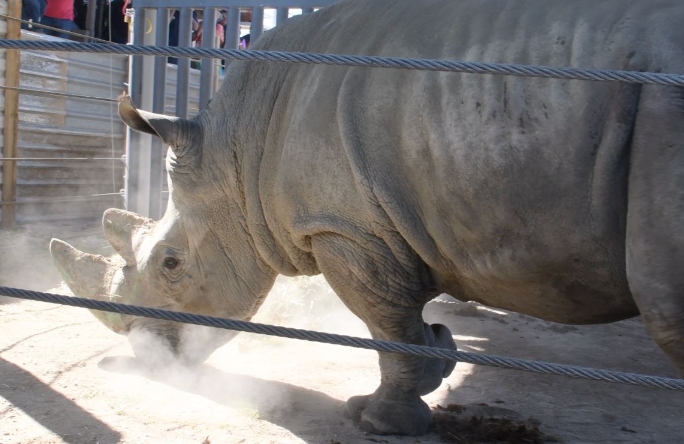
El Zoológico Guadalajara recibió el miércoles 21 de octubre de 2026 a cuatro rinocerontes blancos de origen europeo: tres hembras y un macho. Su llegada es resultado de más de un año de gestiones internacionales con la Asociación Europea de Zoológicos y Acuarios (EAZA), como parte de un programa de conservación que busca proteger a esta especie de la caza furtiva.
Los ejemplares llegaron en buenas condiciones de salud tras un traslado aéreo y terrestre de más de 35 horas desde París. El grupo está integrado por Wami, un macho de 15 años y 2.4 toneladas, procedente del Parc Zoologique de París; Moana, de 9 años, y Salma, de 5, ambas del Serengeti Park Hodenhagen, Alemania; y Lewa, de 4 años, del Safari de Peaugres, Francia.
El director general del recinto, Luis Soto Rendón, informó que la estancia de los animales en Jalisco será permanente. El objetivo principal es favorecer su reproducción bajo cuidado profesional y contribuir a la diversidad genética de la población de rinocerontes blancos en América. A largo plazo, el programa busca que sus descendientes puedan reintroducirse en las praderas africanas para apoyar la recuperación de la especie en su hábitat natural.
Por ahora, los cuatro ejemplares permanecerán en cuarentena, bajo valoración veterinaria y en un proceso de adaptación al clima de Guadalajara. Si su evolución es favorable, se prevé que se integren al área del Safari Masai Mara y puedan ser visitados por el público durante la Semana Santa de 2027.
On Wednesday, October 21, 2026, the Guadalajara Zoo welcomed four white rhinoceroses from Europe: three females and one male. Their arrival is the result of over a year of international coordination with the European Association of Zoos and Aquaria (EAZA), as part of a conservation program aimed at protecting this species from poaching.
The animals arrived in good health following a journey by air and land lasting more than 35 hours from Paris. The group consists of Wami, a 15-year-old, 2.4-ton male from the Parc Zoologique de Paris; Moana (9 years old) and Salma (5 years old), both from Serengeti Park Hodenhagen in Germany; and Lewa (4 years old) from Safari de Peaugres in France.
Luis Soto Rendón, the zoo’s director general, stated that the animals will remain in Jalisco permanently. The primary objective is to facilitate their reproduction under professional care and contribute to the genetic diversity of the white rhinoceros population in the Americas. In the long term, the program aims for their offspring to eventually be reintroduced into the African grasslands, supporting the recovery of the species in its natural habitat.
For now, the four rhinos will remain in quarantine, undergoing veterinary evaluation and adapting to the climate in Guadalajara. If they progress well, they are expected to be moved to the Masai Mara Safari area, where they will be available for public viewing during Holy Week in 2027.
MÚSICA. Murió John Anderson
MUSIC. John Anderson Has Died
21 de Octubre /October 21th 2026
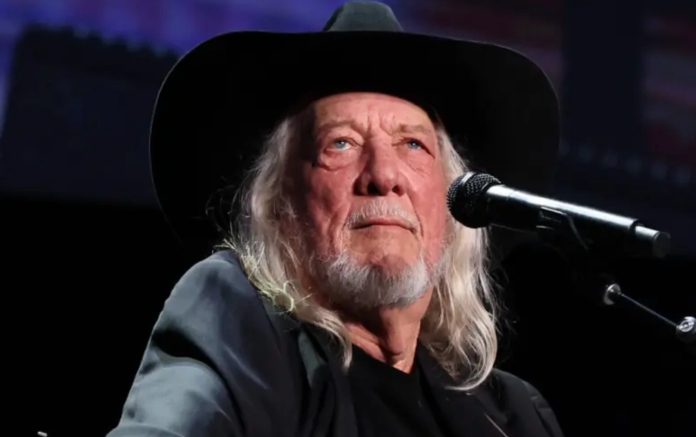
El cantante estadunidense John Anderson, una de las voces representativas de la música country tradicional, murió el miércoles 21 de octubre de 2026, a los 71 años. Su fallecimiento fue comunicado por su familia a través de redes sociales, donde lo recordó como el corazón de su hogar y una persona que compartía amor y alegría con sus seres queridos.
La familia no informó la causa de muerte ni el lugar del deceso. La noticia sorprendió a la comunidad musical, pues días antes el artista había asistido en Nashville a una ceremonia relacionada con el Salón de la Fama de la Música Country, donde, según los reportes, se mostró de buen ánimo.
Nacido en Apopka, Florida, Anderson se mudó a Nashville en la década de 1970 para perseguir su carrera musical. Antes de alcanzar la fama, trabajó en la construcción e incluso participó en labores relacionadas con el techo del emblemático Grand Ole Opry House.
Con casi cinco décadas de trayectoria, se consolidó como una figura del movimiento neotradicionalista del country, junto a artistas como George Strait. Entre sus mayores éxitos destacan “Swingin’”, “Straight Tequila Night” y “Seminole Wind”, canciones que contribuyeron a definir su legado en el género.
En 1983 recibió el premio al Sencillo del Año de la Asociación de Música Country (CMA). Posteriormente, ingresó al Salón de la Fama de los Compositores de Nashville, en 2014, y al Salón de la Fama de la Música Country, en 2024.
Tras conocerse su muerte, figuras como Reba McEntire, Blake Shelton, Luke Combs y Gwen Stefani expresaron sus condolencias y reconocieron la influencia de Anderson en la música estadounidense.
American singer John Anderson, a quintessential voice of traditional country music, passed away on Wednesday, October 21, 2026, at the age of 71. His family announced his death via social media, remembering him as the heart of their home—a man who shared love and joy with those closest to him.
The family did not disclose the cause or location of his death. The news came as a surprise to the music community, as the artist had attended a Country Music Hall of Fame-related ceremony in Nashville just days earlier, where he was reportedly in good spirits.
Born in Apopka, Florida, Anderson moved to Nashville in the 1970s to pursue a career in music. Before achieving fame, he worked in construction—even helping with work on the roof of the iconic Grand Ole Opry House.
Over the course of a nearly five-decade career, he established himself as a key figure in the neo-traditionalist country movement, alongside artists such as George Strait. His greatest hits include “Swingin’,” “Straight Tequila Night,” and “Seminole Wind”—songs that helped define his legacy within the genre.
In 1983, he received the Single of the Year award from the Country Music Association (CMA). He was later inducted into the Nashville Songwriters Hall of Fame in 2014 and the Country Music Hall of Fame in 2024.
Following the news of his passing, figures including Reba McEntire, Blake Shelton, Luke Combs, and Gwen Stefani expressed their condolences and acknowledged Anderson’s influence on American music.