
FICG41. Films Selected for the Maguey Award Announced
Este año la sección se presenta bajo la temática “Queerciañera”, por que se cumplen 15 años de su fundación
This year the section is presented under the theme «Queerciañera», because it marks 15 years since its founding









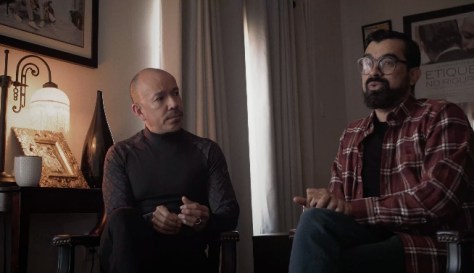

Nuestros Dulces ofrece recorridos turísticos por sus talleres y promueve catas de tequila: Fotos. CLAUDIA ANDALÓN
Claudia Andalón / Guadalajara

El Festival Internacional de Cine en Guadalajara (FICG), en su edición 41, dio a conocer las películas seleccionadas oficialmente para competir en el Premio Maguey, sección en la que participan largometrajes de ficción y documental procedentes de cualquier parte del mundo que aborden temáticas queer relacionadas a la comunidad LGBTQ+.
Los premios que se otorgarán son: El Premio Maguey Mejor Interpretación: Estatuilla EMME, el Premio Maguey del Jurado: Estatuilla EMME y el Premio Maguey a la Mejor Película: Estatuilla EMME. Este año se presenta bajo la temática “Queerciañera”, por que se cumplen 15 años de su fundación
. Las producciones elegidas son:
The Guadalajara International Film Festival (FICG), in its 41st edition, announced the films officially selected to compete in the Maguey Award, a section for feature-length fiction and documentary films from around the world that address queer themes related to the LGBTQ+ community.
The awards to be presented are: The Maguey Award for Best Performance: EMME statuette, the Maguey Jury Award: EMME statuette, and the Maguey Award for Best Film: EMME statuette. This year’s theme is «Queerciañera,» as it marks the 15th anniversary of its founding.
The selected productions are:
DOCUMENTAL
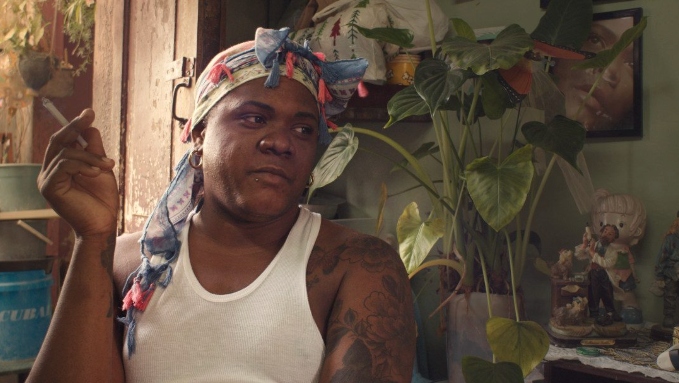
Calle Cuba (2026) Vanessa Batista Chile | Cuba | México. En La Habana Vieja, la Calle Cuba une las vidas de cuatro mujeres que encarnan la resistencia y la fragilidad de una isla en crisis.
Calle Cuba (2026) Vanessa Batista, Chile | Cuba | Mexico. In Old Havana, Calle Cuba connects the lives of four women who embody the resilience and fragility of an island in crisis.
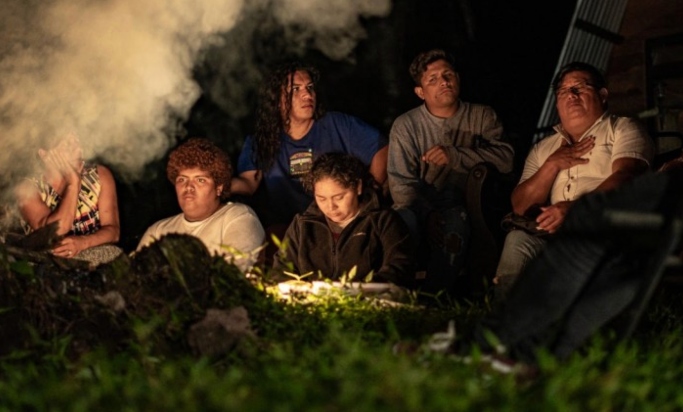
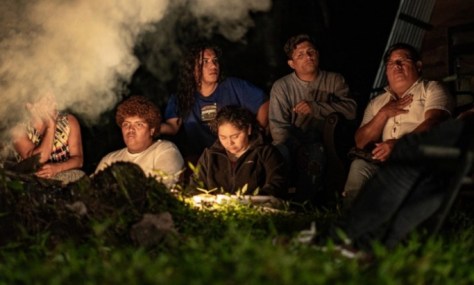
Cobijo (2026) Adrián Silvestre España. Tras ser desplazadas de sus países y deportadas al intentar llegar a Estados Unidos, cuatro jóvenes LGTBQ+ encuentran refugio en un albergue de la ciudad de Guatemala.
Cobijo (2026) Adrián Silvestre, Spain. After being displaced from their countries and deported while trying to reach the United States, four LGBTQ+ youth find refuge in a shelter in Guatemala City.
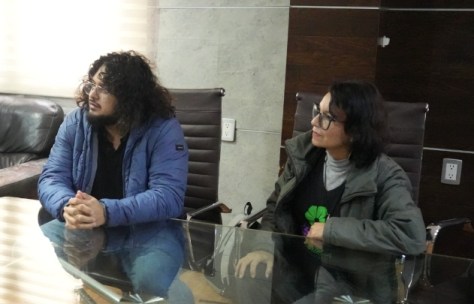
Nuestro cuerpo es una estrella que se expande (2025) Semillites Hernández Velasco, Tania Hernández Velasco. México. Semillites y Tania, dos hermanos queer unidos por una poderosa amistad, recorren el territorio moreno de sus propios cuerpos, tierras que una vez rechazaron.
Our Body Is an Expanding Star (2025) Semillites Hernández Velasco, Tania Hernández Velasco, Mexico. Semillites and Tania, two queer siblings united by a powerful friendship, explore the brown territory of their own bodies, lands they once rejected.
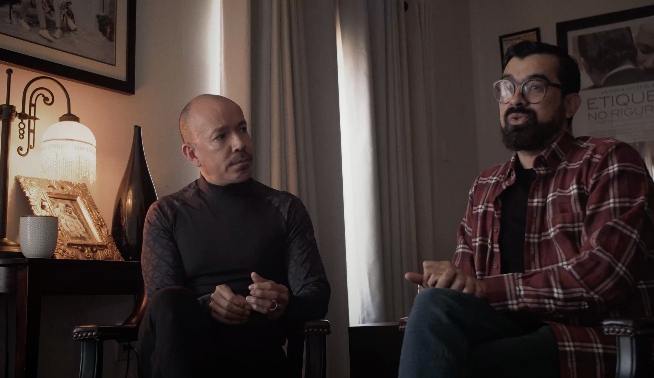
Yo tengo dos papás (2026) Edgar Reyes , México. Santiago nació prematuramente, con pocas esperanzas de sobrevivir y el riesgo de ser olvidado por sus padres biológicos y un sistema que rara vez asegura un hogar estable. El documental narra cómo Víctor y Fernando, primera pareja gay en casarse en Baja California, enfrentaron años de discriminación y burocracia para adoptar.
I Have Two Dads (2026) Edgar Reyes, Mexico. Santiago was born prematurely, with little hope of survival and the risk of being forgotten by his biological parents and a system that rarely guarantees a stable home. The documentary tells how Víctor and Fernando, the first gay couple to marry in Baja California, faced years of discrimination and bureaucracy to adopt.
FICCIÓN

El círculo de los mentirosos (2026) Nancy Cruz Orozco México. El filme narra la histoira de un grupo de conocidos que se resquebraja por las mentiras.
The Circle of Liars (2026) Nancy Cruz Orozco, Mexico. The film tells the story of a group of acquaintances whose lives are fractured by lies.

Eu Vou Ter Saudades de Você (2026) Daniel Ribeiro Brasil. Amanda y Caio son una pareja transgénero que ha compartido siete años de amor, pero al mudarse juntos sus diferencias empiezan a pesar.
I Will Miss You (2026) Daniel Ribeiro, Brazil. Amanda and Caio are a transgender couple who have shared seven years of love, but when they move in together, their differences begin to take their toll.

Erupcja (2025) Pete Ohs EEUU | Polonia. Ambientada en Polonia, sigue a dos mujeres mientras se complican sus vidas románticas.
Erupcja (2025) Pete Ohs, USA | Poland. Set in Poland, it follows two women as their romantic lives become complicated.
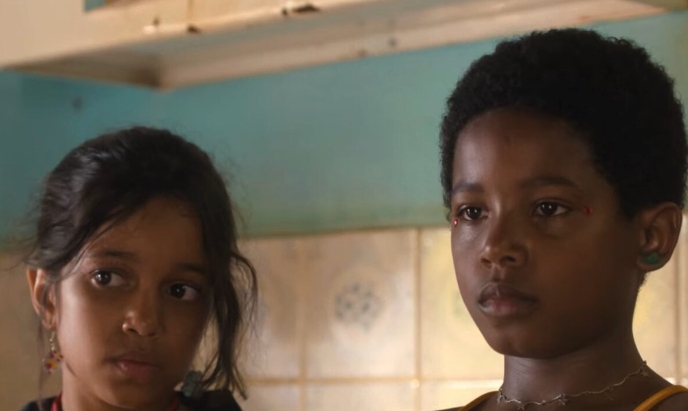
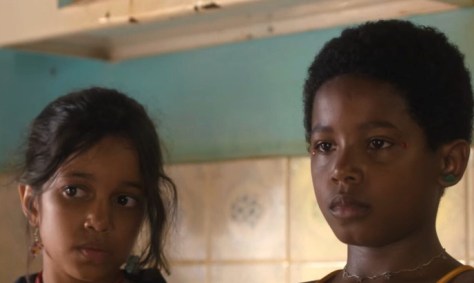
Feito pipa (2026) Allan Deberton Brasil. Gugu es un niño de casi 12 años, soñador y apasionado por el futbol, que vive con su abuela Dilma, una profesora jubilada que lo cría de manera libre y afectuosa, sin preocuparse por los juicios de los habitantes del pueblo.s.
Feito Pipa (2026) Allan Deberton Brazil. Gugu is a nearly 12-year-old boy, a dreamer and passionate soccer player, who lives with his grandmother Dilma, a retired teacher who raises him freely and affectionately, without worrying about the judgments of the townspeople.
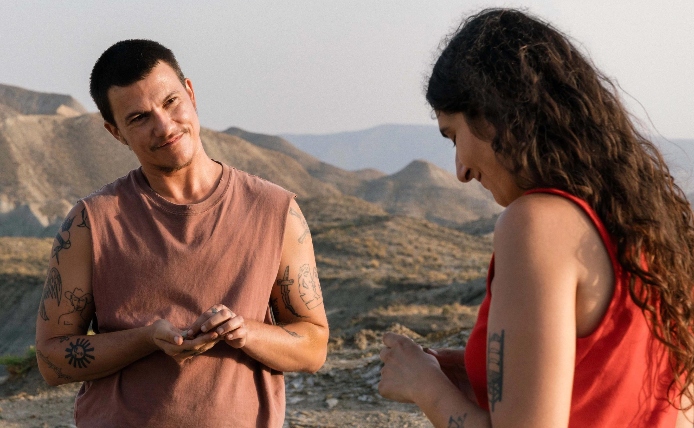
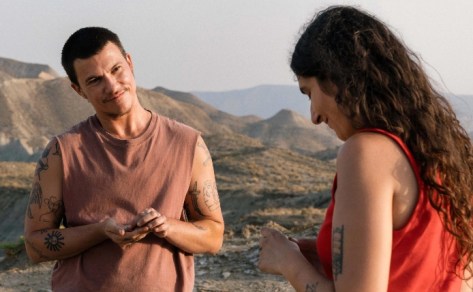
Iván & Hadoum (2026) Ian de la Rosa España. En un invernadero del sur de España, Iván se enamora de Hadoum, su nuevo compañero de trabajo.
Iván & Hadoum (2026) Ian de la Rosa Spain. In a greenhouse in southern Spain, Iván falls in love with Hadoum, his new coworker.
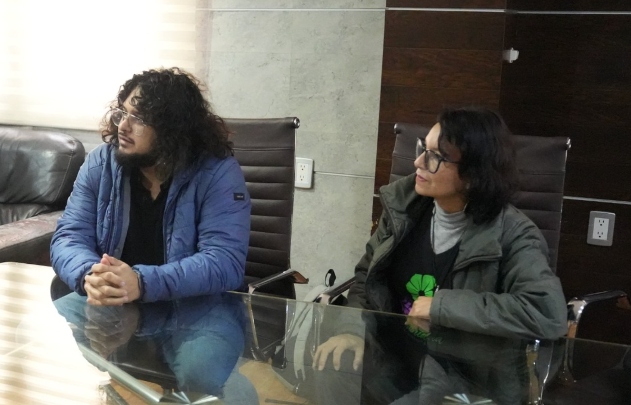
Lo que nos van dejando (2026) Issa García Ascot México. Sara, una bióloga molecular de 30 años, debe dejar su vida en la ciudad para ir a la selva a recoger el archivo de un centro de investigación.
Lo que nos van dejar (2026) Issa García Ascot Mexico. Sara, a 30-year-old molecular biologist, must leave her city life to go to the jungle to retrieve the archives of a research center.

No Dogs Allowed (2024) Steve Bache Alemania. Es la historia de un joven y un adulto que comparten tendencias pedófilas.
No Dogs Allowed (2024) Steve Bache Germany. It is the story of a young man and an adult who share pedophilic tendencies.

Pioneras (2026) Marta Díaz de Lope Díaz España. Es la historia de un equipo femenil de futbol en la España de los años 70 de idiología franquista
Pioneers (2026) Marta Díaz de Lope Díaz Spain. It’s the story of a women’s soccer team in 1970s Spain under Franco’s ideology.

Se busca (2026) Kenya Márquez México. René, una adolescente solitaria, insegura y rebelde, huye de sus sofocantes padres ante el mar de dudas en el que se ahoga.
Wanted (2026) Kenya Márquez Mexico. René, a lonely, insecure, and rebellious teenager, runs away from her suffocating parents, drowning in a sea of doubt.

Soy Mario (2026) Sharon Kleinberg México. Mario es un taxista trans de 40 años. Al quedar embarazado, se le abre la posibilidad de cumplir su deseo de ser padre, pero también esto lo confronta con sus propias creencias y expectativas respecto a su masculinidad.
I Am Mario (2026) Sharon Kleinberg Mexico. Mario is a 40-year-old trans taxi driver. When he becomes pregnant, he has the opportunity to fulfill his desire to be a father, but this also confronts him with his own beliefs and expectations regarding his masculinity.
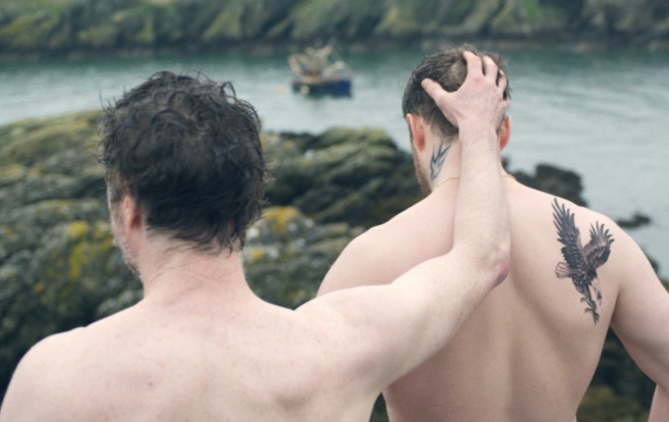
On The Sea (2025) Helen Walsh Reino Unido. La película trata sobre la historia de los marineros Jack y Daniel.
On the Sea (2025) Helen Walsh United Kingdom. The film tells the story of sailors Jack and Daniel.





 balsiaproducciones.com.mx