LITERATURE. The Guadalajara International Book Fair (FIL) will celebrate World Book Day with Juan Rulfo’s Pedro Páramo
Este 23 de abril, el encuentro literario organizado por la Universidad de Guadalajara iniciará los festejos de su 40 aniversario con la realización de su tradicional maratón de lectura en diversas sedes de Jalisco con la lectura de una de las novelas que transformó profundamente la narrativa latinoamericana
This April 23, the literary event organized by the University of Guadalajara will kick off its 40th anniversary celebrations with its traditional reading marathon at various venues in Jalisco, featuring one of the novels that profoundly transformed Latin American narrative.
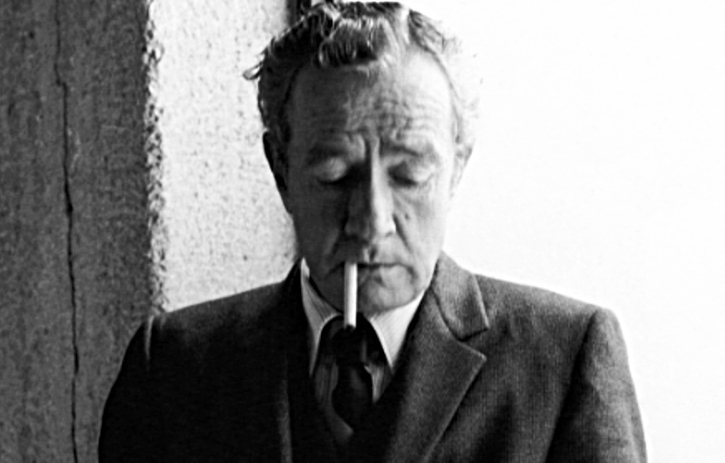
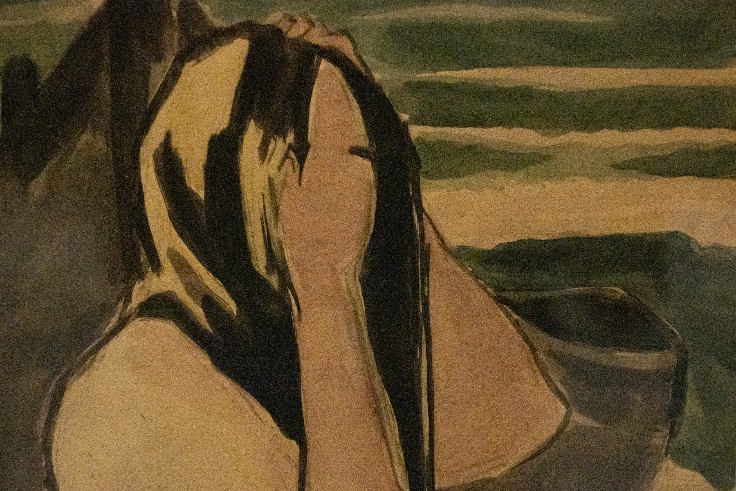
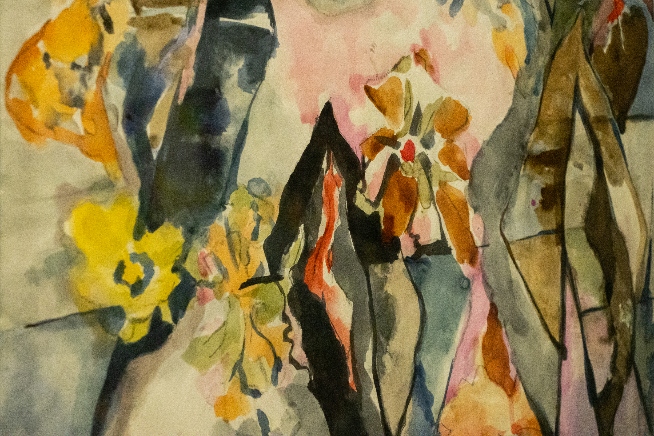
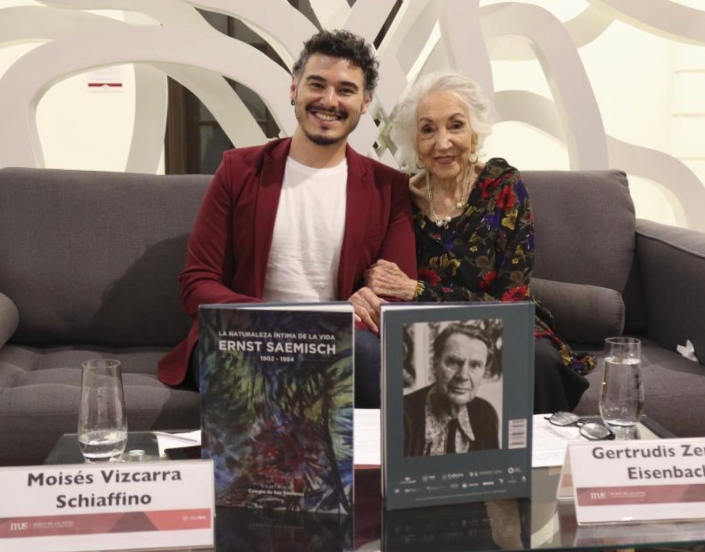
Algo de la obra que se puede apreciar en la muestraLa naturaleza íntima de la vida. Ernst Saemisch (1902-1984). Moisés Schiaffino y Gertrudis Zenzes /Some of the work that can be seen in the exhibition The Intimate Nature of Life. Ernst Saemisch (1902-1984). Moisés Schiaffino and Gertrudis Zenzes. Fotos. CORTESÍA
Luam Vázquez / Guadalajara

La Feria Internacional del Libro de Guadalajara (FIL Guadalajara) dedicará este año su tradicional maratón de lectura con el cual Celebra el Día Mundial del libro el 23 de abril a Pedro Páramo de Juan Rulfo (1917-1986).
La actividad será posible gracias a la colaboración que los organizadores han realizado con la familia del autor y la Editorial RM. La lectura se realizará en, la explanada del edificio de Rectoría General de la Universidad de Guadalajara (UdeG) y la Biblioteca Pública del Estado de Jalisco (BPEJ) “Juan José Arreeola” , así como todos los planteles del Sistema de Educación Media Superior (SEMS) y sedes del Sistema Universitario de Bibliotecas Públicas. La lectura central se llevará a cabo este 23 de abril, en la explanada del edificio de Rectoría General (avenidas Juárez y Enrique Díaz de León), de 10:00 a 17:00 horas, donde quienes participen recibirán, como marca la tradición catalana de Sant Jordi, una rosa y un ejemplar de la novela.
Al finalizar la jornada tendrá lugar una mesa de diálogo en la que participarán Juan Carlos y Pablo Rulfo, además de Marisol Schulz Manaut, quienes revelarán al Juan Rulfo más íntimo y sus distintos intereses, como la literatura, el cine y la fotografía. Este año, la BPEJ será la segunda sede oficial, mientras que gracias al apoyo del SEMS el festejo se extenderá a todo Jalisco.
El maratón de lectura de Pedro Páramo en el Día Mundial del Libro marcará el inicio de los festejos por los 40 años de la FIL de Guadalajara, así como el comienzo de las actividades con las que la feria recordará a Rulfo a cuatro décadas de su fallecimiento, y que culminarán en la próxima edición de la feria, a realizarse del 28 de noviembre al 6 de diciembre en Expo Guadalajara.
Instaurado en 1995 por la Organización de las Naciones Unidas para la Educación, la Ciencia y la Cultura (Unesco), el Día Mundial del Libro es una celebración que la FIL de Guadalajara realiza desde 2002 mediante una lectura pública en voz alta en la que, además de la capital jalisciense, preparatorias del SEMS y muchos municipios se suman con lecturas espejo.
En ediciones anteriores, las obras de los autores Juan José Arreola, Gabriel García Márquez, Jane Austen, Fernando del Paso, Mary Shelley, Ray Bradbury, Rosario Castellanos y José Saramago, entre otras y otros, han protagonizado este festejo.
Juan Rulfo fue un escritor, guionista y fotógrafo mexicano cuya obra transformó profundamente la narrativa latinoamericana. Fue autor del volumen de cuentos El llano en llamas (1953) y de Pedro Páramo (1955), una de las novelas más importantes del siglo XX, en la que se narra el viaje de Juan Preciado al pueblo de Comala en busca de su padre.
Además de su labor literaria, Rulfo tuvo una destacada trayectoria como fotógrafo y dejó un importante legado visual y editorial del México rural e indígena durante su labor como director de publicaciones en el entonces Instituto Nacional Indigenista, por más de dos décadas, hasta su fallecimiento.
The Guadalajara International Book Fair (FIL Guadalajara) will dedicate this year’s traditional reading marathon, celebrating World Book Day on April 23, to Juan Rulfo’s Pedro Páramo (1917-1986).
The event is made possible thanks to the collaboration between the organizers, the author’s family, and RM Publishing. The reading will take place on the esplanade of the General Rectorate building of the University of Guadalajara (UdeG) and the Juan José Arreola State Public Library of Jalisco (BPEJ), as well as at all campuses of the High School Education System (SEMS) and branches of the University System of Public Libraries. The main reading will be held on April 23rd on the esplanade of the General Rectorate building (Juárez and Enrique Díaz de León avenues), from 10:00 a.m. to 5:00 p.m., where participants will receive, as is the Catalan tradition of Sant Jordi, a rose and a copy of the novel.
At the end of the day, a panel discussion will be held with Juan Carlos and Pablo Rulfo, as well as Marisol Schulz Manaut, who will reveal the more intimate side of Juan Rulfo and his diverse interests, such as literature, film, and photography. This year, the BPEJ (Biblioteca Pública de Jalisco) will be the second official venue, while thanks to the support of the SEMS (Sistema de Educación Superior de Jalisco – State High School System), the celebration will extend throughout Jalisco.
The Pedro Páramo reading marathon on World Book Day will mark the beginning of the celebrations for the 40th anniversary of the Guadalajara International Book Fair (FIL), as well as the start of the activities with which the fair will commemorate Rulfo four decades after his death, culminating in the next edition of the fair, to be held from November 28 to December 6 at Expo Guadalajara.
Established in 1995 by the United Nations Educational, Scientific and Cultural Organization (UNESCO), World Book Day is a celebration that the Guadalajara International Book Fair has held since 2002 through a public reading aloud in which, in addition to the capital of Jalisco, SEMS high schools and many municipalities participate with parallel readings. In previous editions, the works of authors such as Juan José Arreola, Gabriel García Márquez, Jane Austen, Fernando del Paso, Mary Shelley, Ray Bradbury, Rosario Castellanos, and José Saramago, among others, have been featured in this celebration.
Juan Rulfo was a Mexican writer, screenwriter, and photographer whose work profoundly transformed Latin American narrative. He was the author of the short story collection El llano en llamas (1953) and Pedro Páramo (1955), one of the most important novels of the 20th century, which tells the story of Juan Preciado’s journey to the town of Comala in search of his father.
In addition to his literary work, Rulfo had a distinguished career as a photographer and left an important visual and editorial legacy of rural and indigenous Mexico during his more than two decades as director of publications at the then National Indigenous Institute, until his death.


 balsiaproducciones.com.mx