Suscríbete para seguir leyendo
Suscríbete para obtener acceso al contenido íntegro de esta entrada y demás contenido exclusivo para suscriptores.
ITALY. The Rome Film Fest to be «Contemporary, varied, and pop»
El encuentro cinematográfico que se realiza del 13 al 15 de octubre en el Auditorium Parco della Música Ennio Morricone tendrá invitados como Jenna Ortega, Javier Bardem, Julianne Moore, Deva Cassel y Kim Kardashian
The film event, taking place from October 13 to 15 at the Auditorium Parco della Musica Ennio Morricone, will feature guests such as Jenna Ortega, Javier Bardem, Julianne Moore, Deva Cassel, and Kim Kardashian.
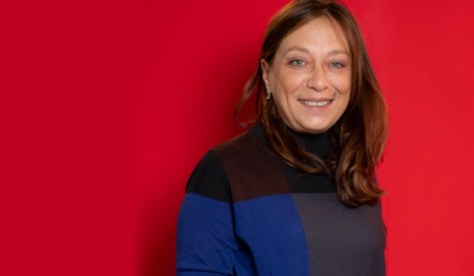
Paola Malanga es la directora del Festival. Fotos: CORTESÍA
Claudia Andalón / Agencias

El encuentro cinematográfico que se realiza del 13 al 15 de octubre en el Auditorium Parco della Música Ennio Morricone tendrá invitados como Jenna Ortega, Javier Bardem, Julianne Moore, Deva Cassel y Kim Kardashian
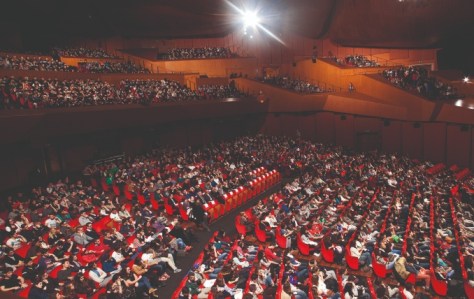
La 21.ª edición de la Festa del Cinema di Roma ya tiene programación y se celebrará del 13 al 25 de octubre de 2026. El principal escenario volverá a ser el Auditorium Parco della Musica Ennio Morricone, que acogerá una de las alfombras rojas más grandes del mundo. Las actividades y proyecciones también se extenderán a distintos espacios de la capital italiana y a la ciudad de Latina.
La directora artística, Paola Malanga, definió esta nueva edición con tres conceptos: “contemporánea, variada y pop”. Durante la presentación, destacó el crecimiento sostenido de la audiencia a lo largo de sus cinco años al frente del festival y la consolidación de un proyecto que ha incrementado de manera constante el número de espectadores en las salas.
Malanga también resaltó la presencia femenina dentro de la programación, que considera resultado de un proceso “completamente orgánico y natural”. La Sección Oficial contará con seis directoras y el festival volverá a poner el foco en historias y miradas que han demostrado capacidad para conectar con públicos internacionales. Otro de los ejes será el cine de lo real, particularmente el documental y las historias vinculadas con el presente, concebidos como ventanas para observar y comprender la sociedad contemporánea.
En total, la Festa del Cinema di Roma proyectará 150 títulos procedentes de 55 países. La inauguración correrá a cargo de Il rumore delle cose nuove, nueva película del director italiano Paolo Genovese.
La sección competitiva, Concorso Progressive Cinema, reunirá 18 películas que competirán por los principales reconocimientos. Entre ellas figura Giorni felici, de Susanna Nicchiarelli. El jurado internacional estará presidido por el cineasta polaco Jan Komasa. Por su parte, Grand Public concentrará algunas de las producciones internacionales más esperadas de la temporada de otoño, mientras que Freestyle ofrecerá una programación de formatos más libres, con series, propuestas vinculadas al arte y proyecciones especiales.
La edición también contará con una importante presencia internacional en la alfombra roja. Jenna Ortega llegará con Klara and the Sun, dirigida por Taika Waititi; Andrew Scott presentará Elsinore, de Simon Stone, y Helen Mirren participará con A Talent for Murder, dirigida por Anton Corbijn. Julianne Moore estará vinculada a The Debut, ópera prima de Jesse Eisenberg, mientras que Deva Cassel protagonizará la premiere mundial de Le Fantôme de l’Opéra.
Entre los invitados también figuran Javier Bardem, con una participación especial, y Kim Kardashian, vinculada a los estrenos de series dentro de Freestyle. El cine italiano tendrá representación con Elio Germano, protagonista de la comedia romántica Noi, un po’ meglio. Con esta programación, Roma vuelve a reunir cine de autor, producciones internacionales, series y grandes figuras en una celebración que busca combinar diversidad, actualidad y alcance popular. Mayor información en el sitio https://www.romacinemafest.it/it/festa-cinema-roma/
The film event, taking place from October 13 to 15 at the Auditorium Parco della Musica Ennio Morricone, will feature guests such as Jenna Ortega, Javier Bardem, Julianne Moore, Deva Cassel, and Kim Kardashian.
The program for the 21st edition of the Rome Film Fest has been announced, with the event scheduled for October 13–25, 2026. The main venue will once again be the Auditorium Parco della Musica Ennio Morricone, home to one of the world’s largest red carpets. Activities and screenings will also extend to various locations across the Italian capital and the city of Latina.
Artistic Director Paola Malanga defined this new edition using three concepts: «contemporary, varied, and pop.» During the presentation, she highlighted the steady audience growth over her five years at the helm of the festival and the consolidation of a project that has consistently increased theater attendance.
Malanga also emphasized the presence of women in the program, describing it as the result of a «completely organic and natural» process. The Official Selection will feature six female directors, and the festival will once again focus on stories and perspectives capable of connecting with international audiences. Another key theme will be «cinema of the real»—specifically documentaries and stories rooted in the present—conceived as windows through which to observe and understand contemporary society.
In total, the Rome Film Fest will screen 150 titles from 55 countries. The festival will open with Il rumore delle cose nuove, the latest film by Italian director Paolo Genovese.
The competitive section, Concorso Progressive Cinema, will bring together 18 films vying for the top awards. Among them is Giorni felici by Susanna Nicchiarelli. The international jury will be presided over by Polish filmmaker Jan Komasa. Meanwhile, the «Grand Public» section will showcase some of the most anticipated international productions of the autumn season, while «Freestyle» will offer a lineup featuring freer formats, including series, art-related projects, and special screenings.
This edition will also feature a significant international presence on the red carpet. Jenna Ortega will arrive with Klara and the Sun, directed by Taika Waititi; Andrew Scott will present Simon Stone’s Elsinore; and Helen Mirren will participate with A Talent for Murder, directed by Anton Corbijn. Julianne Moore will be associated with The Debut—Jesse Eisenberg’s directorial debut—while Deva Cassel will star in the world premiere of Le Fantôme de l’Opéra.
Other guests include Javier Bardem, making a special appearance, and Kim Kardashian, linked to the series premieres within the «Freestyle» section. Italian cinema will be represented by Elio Germano, the star of the romantic comedy Noi, un po’ meglio. With this lineup, Rome once again brings together auteur cinema, international productions, series, and major stars in a celebration that seeks to combine diversity, contemporary relevance, and broad popular appeal. More information at the web site https://www.romacinemafest.it/it/festa-cinema-roma/