BOOKS. FIL Zócalo 2026 to bring together ideas, literature, and music in the heart of Mexico City
El programa que incluye poco más de 260 actividades puede disfrutarse del 9 al 18 de octubre en la Plaza de la Constitución
The program, featuring just over 260 activities, runs from October 9 to 18 at the Plaza de la Constitución.
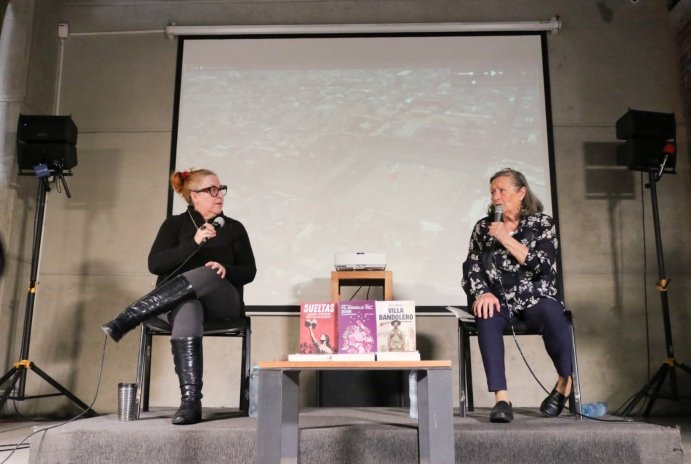
Ana Francis López Bayghen Patiño, titular de la Secretaría de Cultura capitalina y Paloma Saiz, coordinadora de la Brigada para Leer en Libertad A.C. Fotos: CORTESÍA
Luam Vázquez Rodríguez / Agencias

La XXVI Feria Internacional del Libro del Zócalo (FIL Zócalo 2026) se llevará a cabo del viernes 9 al domingo 18 de octubre en la Plaza de la Constitución de la Ciudad de México, con una programación que reunirá literatura, pensamiento crítico, debates, música y actividades para públicos de todas las edades. Bajo la dirección de Paloma Saiz, coordinadora de la Brigada para Leer en Libertad A.C presenta esta edición como “el espacio de pensamiento más crítico del país”.
Durante diez días, la feria contará con la participación de 353 sellos editoriales y ofrecerá 266 actividades gratuitas. El programa contempla la presencia de 317 ponentes, entre ellos 48 invitados internacionales, así como 118 presentaciones de libros, charlas, mesas de debate, recitales de poesía y propuestas dirigidas a niñas y niños, según anunció Ana Francis López Bayghen Patiño, titular de la Secretaría de Cultura capitalina.
La inauguración oficial está programada para el viernes 9 de octubre a las 16:00 horas y será encabezada por la jefa de Gobierno de la Ciudad de México, Clara Brugada Molina. El acto contará con la participación a distancia de Zohran Mamdani y estará precedido por un concierto del flautista Horacio Franco.
Entre los invitados de esta edición destacan el escritor e historietista Bernardo Fernández, “Bef”; la autora española Elia Barceló y la escritora e investigadora mexicana Yásnaya Aguilar, quienes participarán en distintas actividades del programa.
El programa incluye conversaciones en torno a las llamadas ucronías, con ejercicios literarios y de pensamiento que plantean escenarios alternativos a acontecimientos históricos.
Entre las propuestas culturales destaca la exposición fotográfica “El Ojo de la Guerra”, del fotoperiodista italiano Giovanni Porzio, además de un programa musical integrado por 21 conciertos. La cartelera incluye presentaciones de agrupaciones como Belafonte Sensacional, Salón Victoria y Triciclo Circus Band, ampliando la oferta de la feria más allá de las actividades editoriales.
Como parte de la iniciativa de fomento a la lectura, se distribuirán 12 mil ejemplares gratuitos correspondientes a cinco títulos, con obras de autores como Fernando Buen Abad, Luis Hernández Navarro y Pino Cacucci.
FOROS DE DIÁLOGO
En el Foro Federico García Lorca destacan la charla “Colombia ante el abismo”, con Gustavo Petro, y “Resistir desde los medios”, con Ari Lijalad, Alán Barroso y Mónica González. También habrá una mesa sobre ciencia ficción, “Cuando la literatura imagina el futuro”, con Bernardo Fernández BEF, Elia Barceló, Irving Roffe y Raquel Castro. La música estará representada por Los Folkloristas, Belafonte Sensacional, Fernando Rivera Calderón y Salón Victoria. El foro también recibirá programas especiales de “Los Periodistas” y “Chamuco Media”.
El Foro Alaíde Foppa reunirá propuestas musicales como Triciclo Circus Band y Yucatán A Go Go, además de presentaciones de literatura infantil, una edición especial de “Desinformativas” y el libro Norteña: memorias del comienzo, de Julieta Venegas. También se realizará la charla “¿Qué cuenta la narrativa gráfica?”.
En el Foro Rodolfo Walsh habrá círculos de poesía y presentaciones editoriales sobre revolución, lenguas originarias, derechos digitales y literatura. El espacio también ofrecerá un tributo a 31 Minutos.
Por su parte, el Foro José Revueltas tendrá talleres de imaginación y manga, además de conversatorios sobre novela gráfica, periodismo, ilustración y derecho a la ciudad.
La FIL Zócalo contará con la participación de editoriales, librerías y distribuidoras independientes y tradicionales, consolidando una oferta que invita a leer, dialogar y acercarse a distintas expresiones de la cultura
Todas las actividades de la FIL Zócalo serán gratuitas y se desarrollarán de 11:00 a 20:00 horas. El encuentro busca convertir nuevamente la Plaza de la Constitución en un punto de encuentro para lectores, escritores, editores, artistas y público general, con una agenda que combina literatura, pensamiento, cultura y participación ciudadana.
El programa completo puede consultarse en la cartelera cultural de la Ciudad de México y en los canales oficiales de la FIL Zócalo. Más información en el sitio https://www.cultura.cdmx.gob.mx/comunicacion/nota/405-26
The 26th Zócalo International Book Fair (FIL Zócalo 2026) will take place from Friday, October 9, to Sunday, October 18, at Mexico City’s Plaza de la Constitución. The event’s program will bring together literature, critical thought, debates, music, and activities for audiences of all ages. Under the direction of Paloma Saiz, the capital’s Ministry of Culture presents this edition as «the country’s most critical space for thought.»
Over the course of ten days, the fair will feature 353 publishing imprints and offer 266 free activities. The program includes 317 speakers—among them 48 international guests—as well as 118 book presentations, talks, panel discussions, poetry readings, and events aimed at children, as announced by Ana Francis López Bayghen Patiño, head of the capital’s Secretariat of Culture.
The official opening is scheduled for Friday, October 9, at 4:00 PM and will be led by Mexico City’s Head of Government, Clara Brugada Molina. The event will feature remote participation by Zohran Mamdani and will be preceded by a concert by flutist Horacio Franco.
Notable guests at this edition include writer and comic artist Bernardo Fernández («Bef»), Spanish author Elia Barceló, and Mexican writer and researcher Yásnaya Aguilar, all of whom will participate in various program activities.
The program includes discussions centered on «uchronias»—involving literary and thought exercises that propose alternative scenarios to historical events.
Cultural highlights include the photography exhibition «El Ojo de la Guerra» (The Eye of War) by Italian photojournalist Giovanni Porzio, as well as a music program featuring 21 concerts. The lineup includes performances by groups such as Belafonte Sensacional, Salón Victoria, and Triciclo Circus Band, expanding the fair’s offerings beyond publishing-related activities.
As part of an initiative to promote reading, 12,000 free copies of five different titles will be distributed, featuring works by authors such as Fernando Buen Abad, Luis Hernández Navarro, and Pino Cacucci.
DIALOGUE FORUMS
At the Federico García Lorca Forum, key events include the talk «Colombia ante el abismo» (Colombia Facing the Abyss) with Gustavo Petro, and «Resistir desde los medios» (Resisting Through the Media) with Ari Lijalad, Alán Barroso, and Mónica González. There will also be a panel on science fiction titled «Cuando la literatura imagina el futuro» (When Literature Imagines the Future), featuring Bernardo Fernández (BEF), Elia Barceló, Irving Roffe, and Raquel Castro. Musical acts will include Los Folkloristas, Belafonte Sensacional, Fernando Rivera Calderón, and Salón Victoria. The forum will also host special programs from «Los Periodistas» and «Chamuco Media.»
The Alaíde Foppa Forum will feature musical acts such as Triciclo Circus Band and Yucatán A Go Go, alongside children’s literature presentations, a special edition of «Desinformativas,» and the book Norteña: memorias del comienzo by Julieta Venegas. A talk titled «¿Qué cuenta la narrativa gráfica?» (What Do Graphic Narratives Tell?) will also take place.
The Rodolfo Walsh Forum will host poetry circles and book presentations covering topics such as revolution, indigenous languages, digital rights, and literature. The space will also offer a tribute to 31 Minutos. For its part, the José Revueltas Forum will host workshops on imagination and manga, as well as discussions on graphic novels, journalism, illustration, and the right to the city.
FIL Zócalo will feature the participation of independent and traditional publishers, bookstores, and distributors, offering a program that invites people to read, engage in dialogue, and explore diverse cultural expressions.
All FIL Zócalo activities will be free of charge and will take place from 11:00 a.m. to 8:00 p.m. The event aims to once again transform the Plaza de la Constitución into a gathering place for readers, writers, publishers, artists, and the general public, with an agenda that combines literature, intellectual discourse, culture, and civic engagement.
The full program can be viewed in Mexico City’s cultural listings and on FIL Zócalo’s official channels. More information at the website https://www.cultura.cdmx.gob.mx/comunicacion/nota/405-26