Art. The Cabañas Museum hosts the exhibition Different Desires
A partir del 14 de marzo, los visitantes pueden apreciar un conjunto de piezas entre video, instalación, escultura, pintura y fotografía elaborada por Claribel Calderius, Nicole Chaput, Débora Delmar, Elsa-Louise Manceaux, Melanie McLain, Adeline de Monseignat, Sofía Moreno, Berenice Olmedo, Athenea Papacostas y Paloma Rosenzweig bajo la curaduría de Dorothée Dupuis
Starting March 14, visitors can appreciate a collection of works including video, installation, sculpture, painting, and photography by Claribel Calderius, Nicole Chaput, Débora Delmar, Elsa-Louise Manceaux, Melanie McLain, Adeline de Monseignat, Sofía Moreno, Berenice Olmedo, Athenea Papacostas, and Paloma Rosenzweig, curated by Dorothée Dupuis.
Con este acto se celebra el Día de las y los artesanos. Fotos. CORTESÍA
Enrique Vázquez Lozano/ Guadalajara

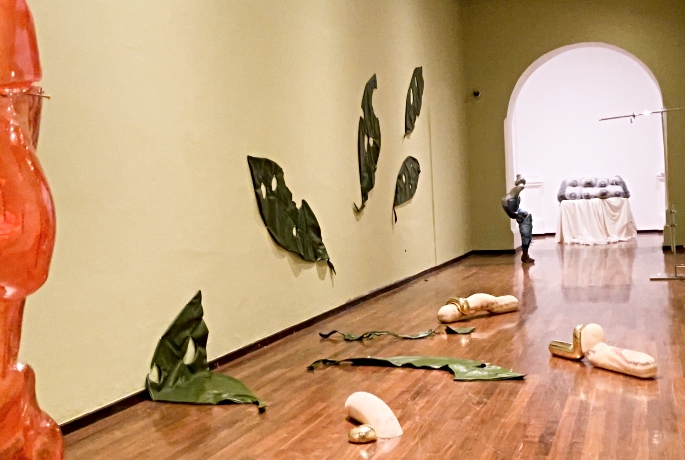
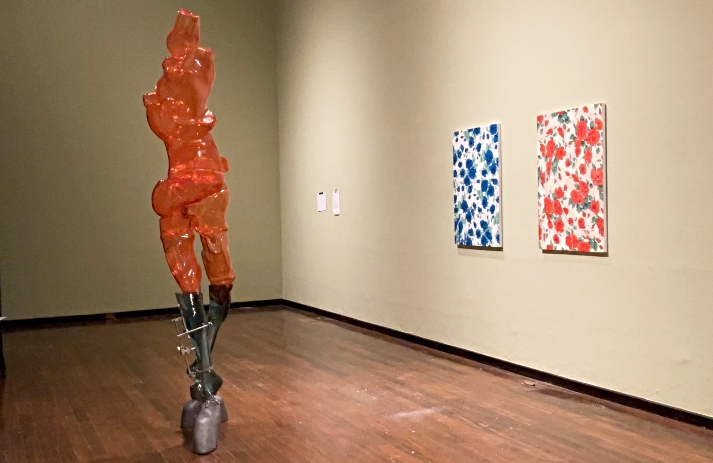
El Museo Cabañas alberga la exposición Deseos diferentes curada por Dorothée Dupuis a partir del 14 de marzo.
Se trata de una colectiva creada ex profeso para este espacio, en la que los visitantes pueden apreciar dibujo, instalación, escultura, video proyecciones e instalaciones sonoras elaboradas por Claribel Calderius, Nicole Chaput, Débora Delmar, Elsa-Louise Manceaux, Melanie McLain, Adeline de Monseignat, Sofía Moreno, Berenice Olmedo, Athenea Papacostas y Paloma Rosenzweig entre 2021 y 2026, según compartió Dupuis, quien agregó: “La muestra nace de mi práctica como curadora que he trabajado desde hace muchos años con artistas mujeres. Todas las obras se conectn con los pensamientos de la Diferencia… pensamientos de artistas que nacieron en el Norte de Europa en la década de los setenta y que básicamente consideran que la femenidad no es solo lo opuesto de lo masculino, sino más bien una categoría en sí misma por inventar. Por mucho tiempo lo femenino se vio de una forma peyorativa como un complemento de lo masculino. Esta muestra es la oportunidad para considerar de nuevo estos pensamientos y todas las posibilidades de la imagnación radical de ciertos conceptos asociados a la feminidad, como esta pieza de Paloma Rosennzeig que muestra de forma fantástica la potencia nutritiva animal infinita de lo femenino”.
En todas las piezas se encuentra esta idea de lo femenino como una construcción que puede reclamarse mucho más allá de un cuerpo determinado por ciertas características, explicó Dupuis y gregó: “varias de las piezas están realizadas en gran formato y lo que debe destacarse también es que si bien, hay instalaciones, también encontraremos pinturas al óleo y fotografías, como muestra de la versatilidad del talento que poseen las artistas que hemos logrado reunir”.
De acuerdo con la curadora, la muestra se compone de tres núcleos: “El primero se enfoca en esta idea del cuerpo biológico de los prejuicios sobre el cuerpo femenino y sus potencialidades mágicas, en el segundo núcleo prevalece la idea de la palabra, el lenguaje. En él se hace referencia cómo las mujeres han tomado la voz y cuestionan las estructuras de poder a través de la invención de lenguajes pictóricos y espaciales, desafían al psicoanálisis y desafían las tradiciones patriarcales de la crítica de arte. como establecer su propia voz. En el tercer núcleo se habla de esta relación de las mujeres con el entorno, otras formas de existencia y convivencia con la naturaleza,, la postura de los feminismos que proyectan un post mundo en el que se pueden reparar los daños que se le ha hecho a la naturaleza por siglos”.
Dorothée Dupuis (París, 1980) es curadora, crítica e historiadora del arte cuya práctica se sitúa en la intersección entre arte contemporáneo, política y pensamiento feminista. Ha desarrollado proyectos curatoriales, editoriales y de investigación que exploran las relaciones entre estética, teoría crítica y contextos sociales.
Es fundadora de la reconocida revista de arte contemporáneo Terremoto y actualmente dirige
Temblores Publicaciones, una editorial dedicada a la producción de pensamiento crítico en torno al arte. A lo largo de su trayectoria ha colaborado con museos, espacios independientes y publicaciones internacionales, consolidándose como una figura relevante en el diálogo entre el arte contemporáneo y los debates culturales actuales.
Mayor información en el sitio: https://museocabanas.jalisco.gob.mx/
The Cabañas Museum hosts the exhibition Different Desires, curated by Dorothée Dupuis, starting March 14.
This is a group exhibition created specifically for this space, where visitors can appreciate drawings, installations, sculptures, video projections, and sound installations created by Claribel Calderius, Nicole Chaput, Débora Delmar, Elsa-Louise Manceaux, Melanie McLain, Adeline de Monseignat, Sofía Moreno, Berenice Olmedo, Athenea Papacostas, and Paloma Rosenzweig between 2021 and 2026, as Dupuis explained. She added, “The exhibition stems from my experience as a curator, having worked for many years with women artists. All the works connect with the ideas of Difference—the ideas of artists who emerged in Northern Europe in the 1970s and who essentially consider femininity not only the opposite of masculinity, but rather a category in itself, yet to be invented. For a long time, the feminine was viewed pejoratively as a complement to the masculine. This exhibition is an opportunity to reconsider these ideas and all the possibilities of the imagination.” “A radical take on certain concepts associated with femininity, like this piece by Paloma Rosennzeig that fantastically displays the infinite, animalistic, nourishing power of the feminine.”
“In all the pieces, we find this idea of the feminine as a construct that can be claimed far beyond a body defined by certain characteristics,” explained Dupuis, adding: “Several of the pieces are large-format, and it should also be noted that while there are installations, we will also find oil paintings and photographs, demonstrating the versatility of the talent possessed by the artists we have brought together.” According to the curator, the exhibition is composed of three sections: “The first focuses on the idea of the biological body, the prejudices surrounding the female body, and its supposed magical potential. The second section emphasizes the power of words and language. It explores how women have found their voice and challenged power structures through the invention of pictorial and spatial languages, defying psychoanalysis and patriarchal traditions of art criticism, and establishing their own voice. The third section addresses women’s relationship with the environment, other forms of existence and coexistence with nature, and the stance of feminisms that envision a post-world in which the damage done to nature over centuries can be repaired.”
Dorothée Dupuis (Paris, 1980) is a curator, critic, and art historian whose practice lies at the intersection of contemporary art, politics, and feminist thought. She has developed curatorial, editorial, and research projects that explore the relationships between aesthetics, critical theory, and social contexts.
She is the founder of the renowned contemporary art magazine Terremoto and currently directs Temblores Publicaciones, a publishing house dedicated to producing critical thought on art. Throughout her career, she has collaborated with museums, independent spaces, and international publications, establishing herself as a key figure in the dialogue between contemporary art and current cultural debates.
More information in the website https://museocabanas.jalisco.gob.mx/


 balsiaproducciones.com.mx