
CINE. Jóvenes mexicanos ingresan a la AMPAS
FILM. Young Mexicans Join AMPAS

27 de junio /June 27th 2026

El cine mexicano continúa ganando presencia en Hollywood. La Academia de Artes y Ciencias Cinematográficas (AMPAS) invitó a ocho destacados profesionales mexicanos a integrarse a la generación 2026 de nuevos miembros, que reúne a 529 cineastas y especialistas de todo el mundo. De aceptar la invitación, podrán participar con su voto en las futuras ediciones de los Premios Óscar, fortaleciendo la representación latinoamericana dentro del organismo que reconoce lo mejor del cine internacional.
La lista incluye a los directores Alonso Ruizpalacios, reconocido por La Cocina y Una película de policías, y Fernanda Valadez, realizadora de Sin señas particulares y Sujo. En la rama de actuación fue convocado Raúl Briones, una de las figuras más destacadas del cine mexicano contemporáneo. También fueron invitados el cineasta Miguel Ángel Caballero y la documentalista Isabel Castro en las categorías de cortometraje y documental.
El talento mexicano se completa con el diseñador de producción Carlos Lagunas, la diseñadora de vestuario Malena de la Riva y la especialista en relaciones públicas Rocío Chicharro Gutiérrez, quienes representan áreas fundamentales de la industria cinematográfica.
Esta nueva generación de miembros comparte espacio con figuras internacionales como Jenna Ortega, Jacob Elordi y Mia Goth, reflejando el compromiso de la Academia por ampliar la diversidad y representación global. La incorporación de estos ocho mexicanos confirma el creciente prestigio del cine nacional y su influencia en las decisiones que definirán el futuro de los Premios Óscar.
Mexican cinema continues to gain ground in Hollywood. The Academy of Motion Picture Arts and Sciences (AMPAS) invited eight prominent Mexican professionals to join its 2026 class of new members, which comprises 529 filmmakers and specialists from around the world. If they accept the invitation, they will be able to participate by voting in future editions of the Academy Awards, strengthening Latin American representation within the organization that recognizes the best of international cinema.
The list includes directors Alonso Ruizpalacios, known for La Cocina and Una película de policías, and Fernanda Valadez, director of Sin señas particulares and Sujo. Raúl Briones, one of the most prominent figures in contemporary Mexican cinema, was invited to the acting category. Filmmaker Miguel Ángel Caballero and documentary filmmaker Isabel Castro were also invited in the short film and documentary categories, respectively.
The Mexican talent pool is rounded out by production designer Carlos Lagunas, costume designer Malena de la Riva, and public relations specialist Rocío Chicharro Gutiérrez, who represent fundamental areas of the film industry.
This new generation of members shares the stage with international figures such as Jenna Ortega, Jacob Elordi, and Mia Goth, reflecting the Academy’s commitment to expanding diversity and global representation. The addition of these eight Mexicans confirms the growing prestige of Mexican cinema and its influence on the decisions that will define the future of the Oscars.
CINE. Álex de la Iglesia presentó avances de Annecy Ages of Madness: The Howling of the Jinn
FILM. Álex de la Iglesia presented previews of Annecy Ages of Madness: The Howling of the Jinn
27 de junio /June 27th 2026
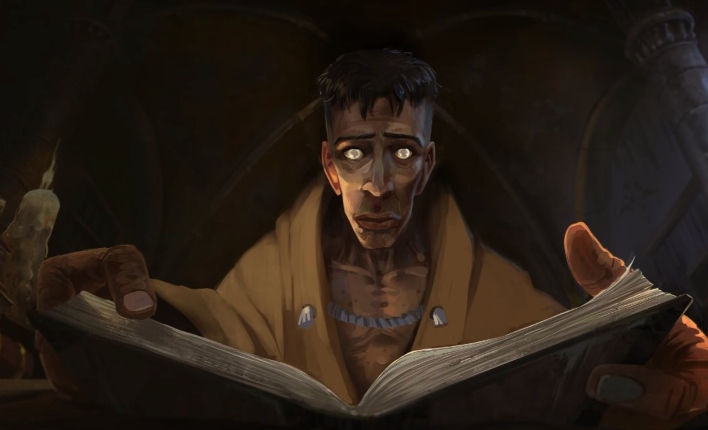
El universo de H. P. Lovecraft vuelve a expandirse en el terreno de la animación con Ages of Madness: The Howling of the Jinn, un ambicioso largometraje de animación para adultos dirigido por Álex de la Iglesia, presentado recientemente en el Festival de Annecy 2026 y actualmente en fase de desarrollo avanzado. El proyecto ha sido descrito por su equipo como una de las apuestas más arriesgadas del cine de animación europeo contemporáneo.
La película propone una reinterpretación del imaginario lovecraftiano a través de una narrativa coral donde varias historias se entrelazan en torno al Necronomicón, el mítico libro prohibido que actúa como eje de una espiral de locura, culto y colapso de la realidad. En este universo, una joven atrapada en una secta, un detective marcado por lo sobrenatural y un hombre perseguido por traumas del pasado convergen en un mundo donde los dioses antiguos amenazan con despertar.
La producción corre a cargo del estudio español 3Doubles Producciones, con animación 3D de alto nivel y un enfoque claramente orientado a público adulto, apostando por una estética oscura, grotesca y atmosférica que dialoga directamente con el horror cósmico característico de Lovecraft.
Más allá de su argumento, Ages of Madness se perfila como un experimento visual y narrativo: una exploración del miedo a lo desconocido llevada al extremo de la animación contemporánea, donde la forma y el contenido se fusionan para representar la fragilidad de la mente humana frente a lo incomprensible.
Con este proyecto, la animación española busca posicionarse en el mapa global del género fantástico, llevando el legado de Lovecraft a un nuevo lenguaje visual donde la locura no solo se cuenta… también se dibuja.
The universe of H.P. Lovecraft expands once again in the realm of animation with Ages of Madness: The Howling of the Jinn, an ambitious animated feature film for adults directed by Álex de la Iglesia, recently presented at the 2026 Annecy Festival and currently in advanced development. The project has been described by its team as one of the riskiest ventures in contemporary European animation.
The film proposes a reinterpretation of the Lovecraftian imaginary through an ensemble narrative where several stories intertwine around the Necronomicon, the mythical forbidden book that acts as the axis of a spiral of madness, cult, and the collapse of reality. In this universe, a young woman trapped in a cult, a detective haunted by the supernatural, and a man pursued by past traumas converge in a world where the ancient gods threaten to awaken.
The production is handled by the Spanish studio 3Doubles Producciones, featuring high-level 3D animation and a clear focus on adult audiences, opting for a dark, grotesque, and atmospheric aesthetic that directly engages with Lovecraft’s characteristic cosmic horror.
Beyond its plot, Ages of Madness stands as a visual and narrative experiment: an exploration of the fear of the unknown taken to the extreme of contemporary animation, where form and content merge to represent the fragility of the human mind in the face of the incomprehensible.
With this project, Spanish animation seeks to position itself on the global map of the fantasy genre, bringing Lovecraft’s legacy to a new visual language where madness is not only narrated… it is also drawn.
MÚSICA. Celebran centenario de José Alfredo Jiménez con exposición
MUSIC. José Alfredo Jiménez Centenary Celebrated with Exhibition
27 de junio /June 27th 2026
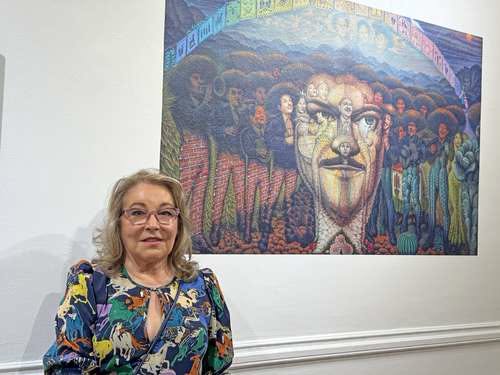
Como parte de las conmemoraciones por el centenario del natalicio de José Alfredo Jiménez, abrió sus puertas la exposición «El hijo del pueblo», un recorrido íntimo por la vida y obra del compositor que transformó para siempre la música ranchera.
Instalada en la Casa de Cultura San Rafael, en la alcaldía Cuauhtémoc de la Ciudad de México, la muestra reúne más de 30 piezas inéditas, entre ellas cuadernos donde escribió sus primeras canciones, bitácoras, fotografías, afiches, vestuarios, discos y objetos personales que revelan el lado más humano del célebre autor.
La exposición busca acercar al público a las múltiples facetas de José Alfredo Jiménez como compositor, cantante, poeta y actor, en un barrio que marcó sus primeros años en la capital del país. Inaugurada a finales de junio, permanecerá abierta durante aproximadamente tres semanas como uno de los homenajes centrales dedicados al inolvidable «Rey de la música ranchera». Puede apreciarse del 27 de junio al 18 de julio.
As part of the commemorations for the centennial of José Alfredo Jiménez’s birth, the exhibition «The Son of the People» opened its doors, offering an intimate journey through the life and work of the composer who forever transformed ranchera music.
Located at the San Rafael Cultural Center in the Cuauhtémoc borough of Mexico City, the exhibition brings together more than 30 previously unseen pieces, including notebooks where he wrote his first songs, journals, photographs, posters, costumes, records, and personal items that reveal the more human side of the celebrated artist.
The exhibition aims to introduce the public to the many facets of José Alfredo Jiménez as a composer, singer, poet, and actor, in a neighborhood that shaped his early years in the nation’s capital. Inaugurated at the end of June, it will remain open for approximately three weeks as one of the main tributes dedicated to the unforgettable «King of Ranchera Music.» It can be seen from June 27 to July 18.
CINE. Blue Heron ha tenido buen impacto en Locarno y Toronto
FILM. Blue Heron Makes a Strong Impact at Locarno and Toronto
26 de junio /June 26th 2026
Blue Heron es la primera película de la directora canadiense-húngara Sophy Romvari, estrenada el 8 de agosto de 2026 tras su recorrido por festivales como Locarno y Toronto, donde fue reconocida como una de las óperas primas más sensibles del año. La cinta ha consolidado a Romvari como una de las voces emergentes más importantes del cine de autor contemporáneo.
La historia se sitúa en la Vancouver Island de finales de los años 90 y sigue a Sasha, una niña de ocho años que observa cómo la dinámica de su familia inmigrante se fractura ante el comportamiento cada vez más inestable de su hermano mayor, Jeremy. Interpretada por Eylul Guven (Sasha niña) y Amy Zimmer (Sasha adulta), la narrativa mezcla presente y memoria en un ejercicio íntimo sobre trauma, crecimiento y reconstrucción emocional.
El reparto se completa con Iringó Réti, Ádám Tompa y Edik Beddoes, quienes encarnan a una familia atrapada entre el amor, la culpa y la incapacidad de comprender lo que los desborda. La película, de tono sobrio y contemplativo, se apoya en una puesta en escena minimalista que privilegia la mirada infantil como eje narrativo.
Más que un drama familiar, Blue Heron se presenta como una exploración profunda de la memoria y sus distorsiones, donde el pasado no se recuerda: se reconstruye, se interpreta y, en ocasiones, se inventa. Romvari convierte la intimidad en materia cinematográfica, construyendo una obra que no busca respuestas, sino ecos persistentes de aquello que nunca termina de resolverse.
Blue Heron is the debut feature film by Canadian-Hungarian director Sophy Romvari, released on August 8, 2016, after its run at festivals such as Locarno and Toronto, where it was recognized as one of the most sensitive first features of the year. The film has established Romvari as one of the most important emerging voices in contemporary auteur cinema.
The story is set on Vancouver Island in the late 1990s and follows Sasha, an eight-year-old girl who watches as the dynamics of her immigrant family fracture in the face of her older brother Jeremy’s increasingly unstable behavior. Starring Eylul Guven (young Sasha) and Amy Zimmer (adult Sasha), the narrative blends present and memory in an intimate exploration of trauma, growth, and emotional reconstruction.
The cast is rounded out by Iringó Réti, Ádám Tompa, and Edik Beddoes, who portray a family trapped between love, guilt, and an inability to comprehend what overwhelms them. The film, with its sober and contemplative tone, relies on minimalist staging that prioritizes the child’s perspective as the narrative axis.
More than a family drama, Blue Heron presents itself as a profound exploration of memory and its distortions, where the past is not remembered: it is reconstructed, interpreted, and, at times, invented. Romvari transforms intimacy into cinematic material, constructing a work that doesn’t seek answers, but rather persistent echoes of that which is never truly resolved.
ARTE. Locos por Frida llega a Londres
ART. Crazy for Frida Arrives in London
26 de junio /June 26th 2026
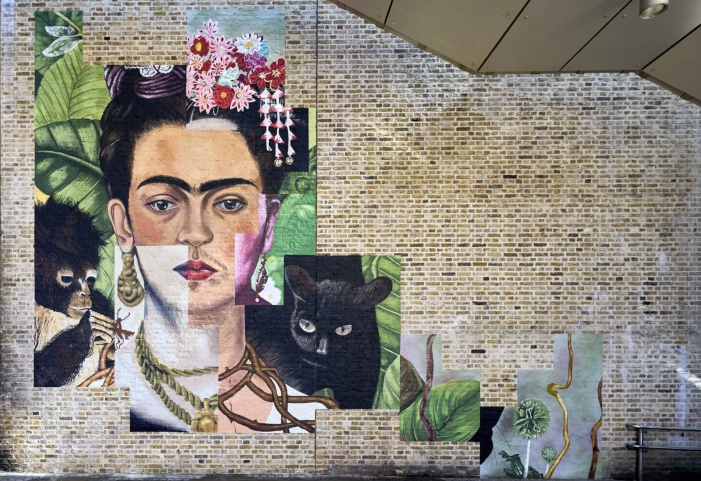
La figura de Frida Kahlo vuelve a ocupar el centro de la conversación cultural en Europa con la llegada de Locos por Frida, una muestra presentada en Londres que explora la construcción del mito de la artista mexicana desde una mirada contemporánea, híbrida y crítica. La exposición forma parte de la actual ola de proyectos internacionales que revisitan su legado más allá del lienzo, analizando su impacto como icono cultural global y fenómeno de apropiación estética.
Instalada en un contexto donde la capital británica vive una intensa temporada de arte con exposiciones dedicadas a la modernidad y la identidad, la muestra dialoga con el creciente interés por Kahlo como figura multifacética: artista, activista, símbolo feminista y objeto de consumo visual. En esta línea, instituciones como la Tate Modern han reforzado ese discurso con proyectos paralelos como Frida: The Making of an Icon, abierta desde el 25 de junio de 2026 hasta el 3 de enero de 2027, que reúne más de 130 obras y materiales de archivo para reconstruir su influencia histórica y contemporánea.
Locos por Frida se inscribe precisamente en ese debate: ¿cómo se transforma una artista en icono global? La muestra no se limita a la exhibición de obra pictórica, sino que incorpora fotografía, reproducción de objetos personales, reinterpretaciones de artistas contemporáneos y piezas que evidencian la expansión comercial de su imagen en la cultura popular. En conjunto, propone una lectura donde Frida no es solo una figura del pasado, sino un territorio simbólico en disputa constante.
La exposición también subraya el papel de Londres como epicentro de la relectura del arte moderno, en un momento donde museos y galerías buscan equilibrar la devoción estética con la crítica a la mercantilización de las figuras históricas. En ese sentido, el fenómeno Frida se convierte en un espejo de la cultura global: una artista cuya imagen ha sido reproducida, reinterpretada y resignificada hasta convertirse en un lenguaje propio.
Críticos y especialistas coinciden en que este tipo de muestras no buscan cerrar el significado de Kahlo, sino abrirlo aún más, permitiendo que nuevas generaciones la lean desde perspectivas de género, identidad y política cultural. Como resultado, Locos por Frida no solo exhibe, sino que cuestiona: ¿pertenece Frida a la historia del arte o al imaginario colectivo contemporáneo?
En Londres, la respuesta parece estar en el medio: Frida es ambas cosas, y precisamente ahí reside su vigencia.
.
The figure of Frida Kahlo is once again at the center of the cultural conversation in Europe with the arrival of Crazy for Frida, an exhibition presented in London that explores the construction of the Mexican artist’s myth from a contemporary, hybrid, and critical perspective. The exhibition is part of the current wave of international projects that revisit her legacy beyond the canvas, analyzing her impact as a global cultural icon and a phenomenon of aesthetic appropriation.
Installed in a context where the British capital is experiencing an intense art season with exhibitions dedicated to modernity and identity, the exhibition engages with the growing interest in Kahlo as a multifaceted figure: artist, activist, feminist symbol, and object of visual consumption. Along these lines, institutions such as Tate Modern have reinforced this discourse with parallel projects such as Frida: The Making of an Icon, open from June 25, 2026, to January 3, 2027, which brings together more than 130 works and archival materials to reconstruct her historical and contemporary influence.
«Crazy for Frida» is precisely part of this debate: how does an artist become a global icon? The exhibition is not limited to the display of paintings, but also incorporates photography, reproductions of personal objects, reinterpretations by contemporary artists, and pieces that demonstrate the commercial expansion of her image in popular culture. Taken together, it proposes an interpretation where Frida is not just a figure from the past, but a symbolic territory in constant dispute.
The exhibition also underscores London’s role as the epicenter of the reinterpretation of modern art, at a time when museums and galleries seek to balance aesthetic devotion with a critique of the commodification of historical figures. In this sense, the Frida phenomenon becomes a mirror of global culture: an artist whose image has been reproduced, reinterpreted, and resignified to the point of becoming a language of its own.
Critics and specialists agree that this type of exhibition does not seek to close off the meaning of Kahlo, but rather to open it up even further, allowing new generations to read her from perspectives of gender, identity, and cultural politics. As a result, Crazy for Frida not only exhibits, but also questions: does Frida belong to the history of art or to the contemporary collective imagination?
In London, the answer seems to lie somewhere in between: Frida is both, and therein lies her enduring relevance.
TV. Estrenan Voicemails for Isabellolvieron a grabar en Calabria
TV. Voicemails for Isabelle Premieres
26 de junio /June 26th 2026
Netflix vuelve a encender la conversación cultural con Voicemails for Isabelle, la comedia romántica dirigida por Leah McKendrick, que ha escalado rápidamente entre lo más visto de la plataforma desde su estreno el 19 de junio de 2026. La cinta propone una premisa tan simple como emotiva: una joven que, en pleno proceso de duelo, sigue dejando mensajes de voz a su hermana fallecida sin imaginar que esos audios terminarán en manos de un desconocido que cambiará su vida.
La dirección de McKendrick apuesta por una narrativa íntima que mezcla humor, nostalgia y vulnerabilidad emocional, construyendo un relato que conecta con una generación marcada por la comunicación digital y la pérdida en tiempos hiperconectados. El resultado es una historia que transita entre la melancolía y la esperanza, sostenida por una estética cálida y una banda sonora cuidadosamente curada.
El reparto está encabezado por Zoey Deutch como Jill, acompañada por Nick Robinson como Wes, además de Nick Offerman, Harry Shum Jr. y Lukas Gage, quienes refuerzan el tono coral de la historia con personajes que orbitan entre la comedia y el drama cotidiano.
Netflix reignites the cultural conversation with Voicemails for Isabelle, the romantic comedy directed by Leah McKendrick, which has quickly climbed to the top of the platform’s most-watched list since its release on June 19, 2016. The film presents a premise as simple as it is moving: a young woman, in the midst of her grief, continues to leave voicemails for her deceased sister, never imagining that these recordings will end up in the hands of a stranger who will change her life.
McKendrick’s direction opts for an intimate narrative that blends humor, nostalgia, and emotional vulnerability, crafting a story that resonates with a generation marked by digital communication and loss in a hyper-connected age. The result is a story that navigates between melancholy and hope, sustained by a warm aesthetic and a carefully curated soundtrack.
The cast is led by Zoey Deutch as Jill, accompanied by Nick Robinson as Wes, as well as Nick Offerman, Harry Shum Jr. and Lukas Gage, who reinforce the ensemble tone of the story with characters that orbit between comedy and everyday drama.
MÚSICA. Alejandro Fernández reunió a 270 mil fans en La Minerva
MUSIC. Alejandro Fernández drew 270,000 fans to La Minerva
26 de junio /June 26th 2026
Alejandro Fernández escribió una nueva página en la historia de los espectáculos masivos en Guadalajara al reunir a más de 270 mil personas durante el concierto gratuito «La Serenata Más Grande del Mundo», celebrado la noche del 25 de junio de 2026 en la Glorieta de La Minerva. El evento formó parte de las celebraciones por la Copa Mundial de la FIFA 2026 y superó el récord impuesto apenas una semana antes por Maná, que había congregado a 160 mil asistentes en el mismo escenario.
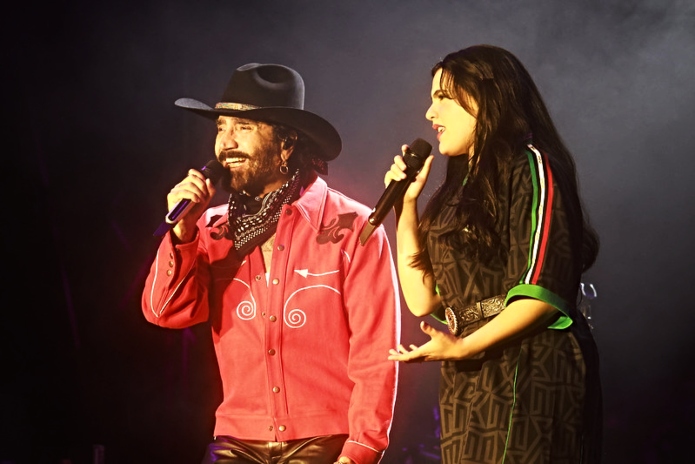
Con un repertorio que recorrió algunos de los mayores éxitos de su carrera, «El Potrillo» abrió la velada con No me sé rajar y emocionó al público con temas como Hermoso cariño, Te voy a perder y Mi México lindo. Uno de los momentos más ovacionados llegó cuando interpretó varias canciones desde una plataforma móvil instalada entre la multitud. La noche también estuvo marcada por las apariciones sorpresa de Julión Álvarez y Alfredo Olivas, además de la participación de Camila y Alex Fernández, quienes compartieron escenario con su padre.
El concierto fue completamente gratuito y, de acuerdo con la Agencia Estatal de Entretenimiento, se financió con recursos del Comité Organizador del Mundial en Jalisco, sin utilizar dinero público. La inversión destinada al espectáculo fue de 15.5 millones de pesos, el mismo presupuesto asignado al concierto de Maná. Además, diversos reportes señalan que Alejandro Fernández renunció a cobrar su tarifa habitual, estimada entre 700 mil y 900 mil dólares por presentación, como un gesto hacia su ciudad natal.
Aunque la celebración fue calificada como un éxito histórico, también dejó algunos desafíos. Asistentes reportaron problemas de audio en las zonas más alejadas de La Minerva, mientras que el masivo encuentro generó toneladas de basura que obligaron a desplegar un operativo especial de limpieza al concluir el evento.
Alejandro Fernández made history in Guadalajara by drawing over 270,000 people to the free concert «The Biggest Serenade in the World,» held on the night of June 25, 2026, at the Minerva Fountain. The event was part of the celebrations for the 2026 FIFA World Cup and surpassed the record set just a week earlier by Maná, who had gathered 160,000 attendees at the same venue.
With a repertoire that included some of the greatest hits of his career, «El Potrillo» opened the evening with «No me sé rajar» and thrilled the audience with songs like «Hermoso cariño,» «Te voy a perder,» and «Mi México lindo.» One of the most applauded moments came when he performed several songs from a mobile platform set up among the crowd. The night was also marked by surprise appearances from Julión Álvarez and Alfredo Olivas, as well as performances by Camila and Alex Fernández, who shared the stage with their father.
The concert was completely free and, according to the State Entertainment Agency, was financed with resources from the World Cup Organizing Committee in Jalisco, without using public funds. The investment allocated to the show was 15.5 million pesos, the same budget assigned to the Maná concert. Furthermore, various reports indicate that Alejandro Fernández waived his usual fee, estimated at between $700,000 and $900,000 per performance, as a gesture toward his hometown.
Although the celebration was hailed as a historic success, it also presented some challenges. Attendees reported audio problems in the areas furthest from La Minerva, while the massive gathering generated tons of trash, requiring a special cleanup operation after the event concluded.

