
CINE y TV. ChiaroScuro, la nueva serie italiana de Netflix, llegará en noviembre
FILM & TV. ChiaroScuro, the new Italian series from Netflix, arrives in November

La plataforma Netflix estrenará el próximo 11 de noviembre de 2026 ChiaroScuro (El claroscuro), una serie italiana de misterio y crimen producida por Lux Vide que combina investigación policial, arte y elementos de comedia. La producción tuvo su presentación internacional fuera de competición en el Festival de Cine de Roma, dentro de la sección Freestyle.
Ambientada en una Roma marcada por el arte y sus secretos, la historia sigue a Cosmo, un brillante y excéntrico experto capaz de detectar falsificaciones con una precisión extraordinaria. Su camino se cruza con el del inspector de policía Angelo Tiberi, un investigador pragmático con quien formará una inesperada alianza.
Ambos deberán resolver una serie de crímenes cometidos por un asesino en serie que reproduce referencias de obras de arte emblemáticas. Mientras avanzan en la investigación, también se enfrentarán a un misterio relacionado con el pasado de Cosmo y la muerte de su padre, una conexión que podría resultar clave para esclarecer los casos.
La serie contará con ocho episodios que entrelazan el drama policial, la intriga y el humor. Netflix pondrá a disposición del público todos los capítulos el día del estreno, lo que permitirá disfrutar la historia completa en formato maratón.
El reparto está encabezado por los actores italianos Pierpaolo Spollon y Andrea Lattanzi, acompañados por Matilde Gioli, Romana Maggiora Vergano y Aurora Giovinazzo. La producción también contará con participaciones especiales de Alessandro Preziosi y la actriz española Paz Vega.
Con una trama que vincula el mundo del arte con la investigación criminal, ChiaroScuro apuesta por una propuesta en la que las pinturas, las falsificaciones y los secretos del pasado se convierten en piezas fundamentales para resolver una serie de asesinatos.
On November 11, 2026, Netflix will premiere ChiaroScuro—an Italian mystery-crime series produced by Lux Vide that blends police investigation, art, and elements of comedy. The production made its international debut out of competition at the Rome Film Festival, as part of the «Freestyle» section.
Set in a Rome defined by art and its hidden secrets, the story follows Cosmo, a brilliant and eccentric expert with an extraordinary ability to detect forgeries. His path crosses with that of police inspector Angelo Tiberi—a pragmatic investigator with whom he forms an unexpected alliance.
Together, they must solve a series of crimes committed by a serial killer who recreates elements from iconic works of art. As the investigation unfolds, they also encounter a mystery tied to Cosmo’s own past and the death of his father—a connection that could prove key to cracking the cases.
The series consists of eight episodes that weave together police drama, intrigue, and humor. Netflix will release all episodes on the premiere date, allowing viewers to binge-watch the entire story.
The cast is led by Italian actors Pierpaolo Spollon and Andrea Lattanzi, alongside Matilde Gioli, Romana Maggiora Vergano, and Aurora Giovinazzo. The production also features special appearances by Alessandro Preziosi and Spanish actress Paz Vega.
With a plot that bridges the world of art and criminal investigation, ChiaroScuro presents a narrative where paintings, forgeries, and secrets from the past become essential pieces in solving a string of murders.
CINE y TV. Murió Betty McGuire
FILM and TV. Betty McGuire Has Died

La actriz estadounidense Betty McGuire, recordada por interpretar a la abuela Kate Malone en la comedia televisiva ¡Ay!, cómo duele crecer (Growing Pains), falleció el pasado 8 de octubre de 2026, a los 100 años, por causas naturales. Su muerte fue confirmada públicamente el 18 de octubre por su representante legal, Keith Gerchak.
La intérprete residía desde 2017 en el Motion Picture & Television Country House and Hospital, en Woodland Hills, California, complejo dedicado al cuidado de profesionales de la industria del entretenimiento.
McGuire alcanzó popularidad gracias a su participación recurrente en la serie Growing Pains, donde dio vida a Kate Malone, la abuela de la familia Seaver. Apareció en 12 episodios de la producción, compartiendo créditos con Alan Thicke, Joanna Kerns y Kirk Cameron, además de coincidir con Leonardo DiCaprio durante la etapa final del programa.
Su trayectoria artística se extendió por cerca de siete décadas e incluyó trabajos en televisión, cine y teatro. Participó en series como Falcon Crest, MacGyver, Star Trek: Deep Space Nine, Urgencias y Los ángeles de Charlie. En la pantalla grande formó parte de películas como Coma (1978), Como humo se va (1978), La increíble mujer menguante (1981) y Wishmaster (1997).
En teatro, integró los elencos de musicales de Broadway como Plain and Fancy (1955), Happy Hunting (1956) y Oh, Captain! (1958).
Fuera de los escenarios, McGuire también destacó por su labor comunitaria. Colaboró como voluntaria y asesora de la Coalición para la Supervivencia Económica de Los Ángeles, organización que brinda orientación jurídica a inquilinos de bajos recursos en riesgo de desalojo. Durante su estancia en el MPTF, además, creó y condujo GabFest, un programa de entrevistas dedicado a compartir las experiencias de quienes vivían y trabajaban en el complejo.
American actress Betty McGuire, best remembered for her role as Grandma Kate Malone in the television sitcom Growing Pains, passed away on October 8, 2026, at the age of 100, from natural causes. Her death was publicly confirmed on October 18 by her legal representative, Keith Gerchak.
Since 2017, she had resided at the Motion Picture & Television Country House and Hospital in Woodland Hills, California—a facility dedicated to the care of entertainment industry professionals.
McGuire gained popularity through her recurring role in Growing Pains as Kate Malone, the grandmother of the Seaver family. She appeared in 12 episodes of the series, starring alongside Alan Thicke, Joanna Kerns, and Kirk Cameron; she also appeared on the show during the period when Leonardo DiCaprio was part of the cast.
Her career spanned nearly seven decades and included work in television, film, and theater. She appeared in series such as Falcon Crest, MacGyver, Star Trek: Deep Space Nine, ER, and Charlie’s Angels. Her film credits include Coma (1978), Up in Smoke (1978), The Incredible Shrinking Woman (1981), and Wishmaster (1997).
In theater, she was a cast member in Broadway musicals such as Plain and Fancy (1955), Happy Hunting (1956), and Oh, Captain! (1958).
Beyond her professional work, McGuire was also noted for her community service. She served as a volunteer and advisor for the Coalition for Economic Survival in Los Angeles, an organization that provides legal guidance to low-income tenants at risk of eviction. During his time at the MPTF, he also created and hosted GabFest, a talk show dedicated to sharing the experiences of those who lived and worked on the campus.
CINE. Guillermo del Toro respalda a estudiantes que denuncian contaminación del agua en Jalisco
FILM. Guillermo del Toro supports students denouncing water contamination in Jalisco

El cineasta mexicano Guillermo del Toro respaldó públicamente a estudiantes de Guadalajara que denunciaron la crisis de contaminación del agua en Jalisco, durante una clase magistral realizada el domingo 18 de octubre en el Festival Internacional de Cine de Morelia (FICM).
El director tapatío participaba en un encuentro con aproximadamente mil 200 asistentes en el Teatro Morelos, organizado en el marco de la conmemoración de los 20 años de El laberinto del fauno. Durante la sesión de preguntas, Del Toro cedió el micrófono a una estudiante originaria de Guadalajara para que expusiera la problemática que enfrentan habitantes de la Zona Metropolitana.
La joven y otros estudiantes señalaron las condiciones del agua que llega a sus hogares y denunciaron afectaciones a la salud que atribuyen a la contaminación. También cuestionaron la respuesta de las autoridades ante esta situación.
Ante la intervención, Del Toro respaldó que los jóvenes aprovecharan un espacio cultural para visibilizar sus demandas y defendió la importancia de abrir estos escenarios a las problemáticas sociales. Con la pregunta «si no es aquí, ¿dónde?», el cineasta expresó su disposición a escuchar las denuncias y permitió que la protesta tuviera lugar frente al público.
El episodio convirtió parte de la clase magistral en un espacio de denuncia sobre el acceso al agua limpia, una preocupación que afecta a comunidades de Jalisco. La intervención de los estudiantes también puso de relieve el papel que pueden desempeñar los encuentros culturales para dar voz a demandas ciudadanas más allá del ámbito artístico.
Mexican filmmaker Guillermo del Toro publicly supported students from Guadalajara who spoke out about the water contamination crisis in Jalisco during a masterclass held on Sunday, October 18, at the Morelia International Film Festival (FICM).
The director—a native of Guadalajara—was participating in a session with approximately 1,200 attendees at the Teatro Morelos, an event organized as part of the 20th-anniversary commemoration of Pan’s Labyrinth. During the Q&A portion, Del Toro handed the microphone to a student from Guadalajara so she could explain the issues facing residents of the metropolitan area.
The young woman and other students described the poor quality of the water reaching their homes and reported health problems they attribute to this contamination. They also questioned the authorities’ response to the situation.
In response, Del Toro supported the students’ decision to use a cultural platform to highlight their concerns, emphasizing the importance of opening such spaces to address social issues. Asking, «If not here, then where?» the filmmaker signaled his willingness to listen to their grievances and allowed the protest to unfold before the audience.
This moment transformed part of the masterclass into a forum for addressing the issue of access to clean water—a major concern for communities across Jalisco. The students’ intervention also underscored the role that cultural events can play in giving a voice to public concerns that extend well beyond the realm of the arts.
MÚSICA. U2 iniciará su nueva gira mundial en la Ciudad de México
MUSIC. U2 to kick off new world tour in Mexico City

U2 regresará a México en febrero de 2027 para inaugurar su próxima gira mundial, The Greatest Show On Earth World Tour, con dos conciertos programados para los días 23 y 26 en el Estadio GNP Seguros de la Ciudad de México. La banda irlandesa volverá al país después de casi una década de ausencia, acompañada por el músico estadounidense Beck, quien abrirá ambas presentaciones.
La capital mexicana será la primera parada oficial del recorrido internacional, que en Latinoamérica también contempla fechas en Brasil y Argentina. Los conciertos marcarán el regreso del grupo al recinto, anteriormente conocido como Foro Sol, donde se presentó por última vez en 2017.
La gira servirá para presentar Carnaval De Luz, el decimosexto álbum de estudio de U2, cuyo lanzamiento está anunciado para el 13 de noviembre de 2026. El disco conmemora los 50 años de trayectoria de la agrupación y cuenta con la producción de Jacknife Lee, además de colaboraciones con Brian Eno, Martin Garrix y la cantante española Rosalía, con quien el grupo comparte el tema “The Mirror Maker”.
La expectativa por el regreso comenzó a crecer días antes del anuncio, luego de la aparición de espectaculares en distintas avenidas de la capital y la grabación de un videoclip en locaciones del Centro Histórico.
Con estas dos fechas, Bono, The Edge, Adam Clayton y Larry Mullen Jr. abrirán una nueva etapa en directo, en la que combinarán su repertorio emblemático con el material de su próximo lanzamiento.
U2 will return to Mexico in February 2027 to launch their upcoming world tour, «The Greatest Show On Earth World Tour,» with two concerts scheduled for the 23rd and 26th at Mexico City’s Estadio GNP Seguros. The Irish band will return to the country after an absence of nearly a decade, joined by American musician Beck, who will open both shows.
The Mexican capital will serve as the first official stop on the international tour, which also includes dates in Brazil and Argentina. These concerts mark the band’s return to the venue—formerly known as Foro Sol—where they last performed in 2017.
The tour will showcase Carnaval De Luz, U2’s sixteenth studio album, set for release on November 13, 2026. The record commemorates the group’s 50-year career and is produced by Jacknife Lee, featuring collaborations with Brian Eno, Martin Garrix, and Spanish singer Rosalía, who joins the band on the track “The Mirror Maker.”
Anticipation for the band’s return began to build even before the official announcement, following the appearance of billboards across the capital and the filming of a music video in various locations throughout the city’s Historic Center.
With these two dates, Bono, The Edge, Adam Clayton, and Larry Mullen Jr. will launch a new chapter in their live performances, blending their iconic repertoire with material from their upcoming release.
CELEBRIDADES. Muere Sergio Erede, referente del derecho corporativo italiano
CELEBRITIES. Sergio Erede, a leading figure in Italian corporate law, has died
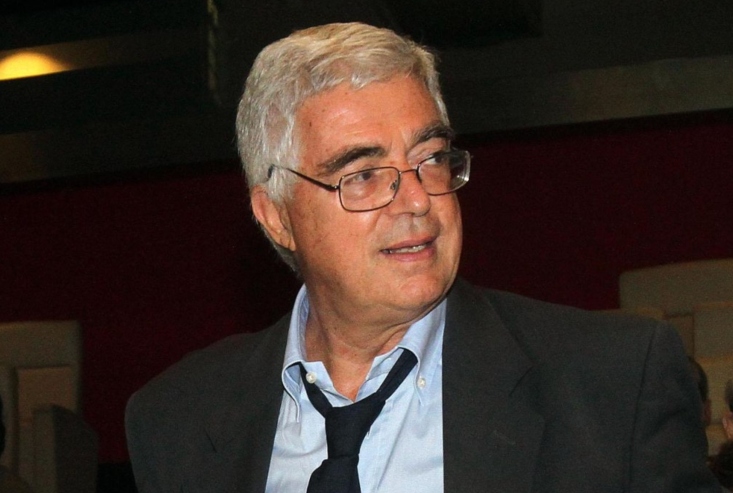
El abogado corporativo italiano Sergio Erede, considerado uno de los principales referentes del derecho comercial de su país y conocido como “el abogado de los grandes negocios”, falleció a los 86 años durante la noche del viernes 16 al sábado 17 de octubre de 2026, en un hospital de Génova, tras sufrir una caída accidental en su domicilio.
Nacido en Florencia el 14 de agosto de 1940, Erede se graduó con honores en la Universidad de Milán en 1962 y obtuvo un LL.M. por Harvard Law School en 1964. Inició su trayectoria profesional en firmas estadounidenses como Hale & Dorr, en Boston, y Sullivan & Cromwell, en Nueva York. De regreso en Italia, dirigió el departamento jurídico de IBM Italia entre 1965 y 1969.
Ese año fundó el estudio Erede Bianchi, posteriormente Erede e Associati. En 1999, junto con Franco Bonelli y Aurelio Pappalardo, creó Bonelli Erede Pappalardo, actualmente BonelliErede, uno de los despachos de negocios más reconocidos de Italia.
A lo largo de su carrera participó en operaciones corporativas de gran relevancia, entre ellas la OPA de Olivetti sobre Telecom Italia, la privatización de Autostrade y Aeroporti di Roma, así como las salidas a bolsa de Enel y Finmeccanica, hoy Leonardo. También asesoró a importantes grupos empresariales y familias italianas, entre ellas Benetton, Esselunga y Del Vecchio.
En 2013 fundó Space Holding, dedicada a la promoción de SPACs. BonelliErede lo recordó como “un gigante de la profesión”, destacando su visión, rigor e independencia de pensamiento.
Italian corporate lawyer Sergio Erede—regarded as one of his country’s foremost authorities on commercial law and known as “the lawyer for major business deals”—passed away at the age of 86. He died between the night of Friday, October 16, and Saturday, October 17, 2026, in a hospital in Genoa, following an accidental fall at his home.
Born in Florence on August 14, 1940, Erede graduated with honors from the University of Milan in 1962 and earned an LL.M. from Harvard Law School in 1964. He began his professional career at U.S. law firms, including Hale & Dorr in Boston and Sullivan & Cromwell in New York. Upon returning to Italy, he headed the legal department at IBM Italia from 1965 to 1969.
That same year, he founded the firm Erede Bianchi, which later became Erede e Associati. In 1999, together with Franco Bonelli and Aurelio Pappalardo, he established Bonelli Erede Pappalardo—now known as BonelliErede—which has become one of Italy’s most prominent business law firms.
Throughout his career, he was involved in major corporate transactions, including Olivetti’s takeover bid for Telecom Italia, the privatizations of Autostrade and Aeroporti di Roma, and the initial public offerings (IPOs) of Enel and Finmeccanica (now Leonardo). He also provided counsel to major corporate groups and prominent Italian families, including the Benettons, the owners of Esselunga, and the Del Vecchio family.
In 2013, he founded Space Holding, a firm dedicated to the promotion of SPACs (Special Purpose Acquisition Companies). BonelliErede remembered him as “a giant of the profession,” highlighting his vision, rigor, and independent thinking.
CINE y TV. Antonio Banderas y Nicolas Cage protagonizarán la quinta temporada de True Detective
FILM & TV. Antonio Banderas and Nicolas Cage to Star in the Fifth Season of True Detective
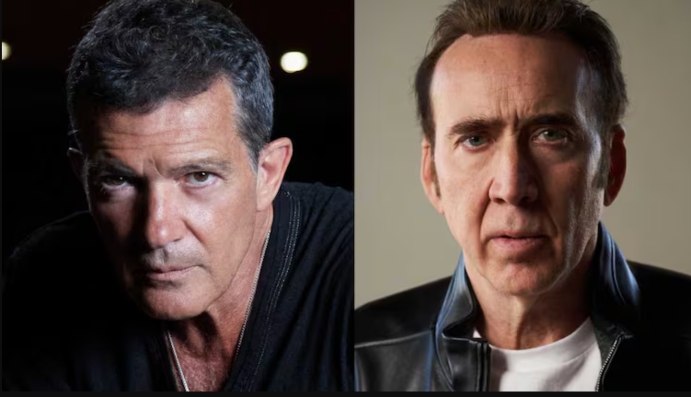
Antonio Banderas y Nicolas Cage encabezarán la quinta temporada de True Detective, la serie criminal de HBO Max. La plataforma confirmó la incorporación del actor español, quien compartirá protagonismo con Cage en una nueva entrega que trasladará la investigación a Jamaica Bay, en Nueva York.
Cage interpretará al detective Henry Logan, mientras que Banderas dará vida a su compañero, Rai García. Ambos actores también participarán como productores ejecutivos, en una temporada que busca renovar la historia de la antología con una nueva pareja de investigadores y un escenario distinto.
La producción estará nuevamente a cargo de la mexicana Issa López, quien asumió la dirección creativa y el puesto de showrunner en la cuarta entrega, titulada True Detective: Night Country. A ella se sumará el guionista Daniel Zelman, conocido por su trabajo en la serie Bloodline.
El rodaje está previsto para comenzar a principios de 2027. Por el momento, HBO Max no ha anunciado una fecha oficial de estreno, aunque se contempla que la nueva temporada llegue a la plataforma a finales de ese año o durante 2028.
La incorporación de Banderas y Cage representa una apuesta por reunir a dos figuras reconocidas del cine internacional en una producción televisiva de alto perfil. Para Cage, el proyecto supone un nuevo papel protagónico en televisión, mientras que para Banderas representa una de sus participaciones más destacadas en una serie estadounidense.
Desde su estreno, True Detective se ha caracterizado por presentar investigaciones independientes en cada temporada, con distintos personajes y escenarios. La quinta entrega continuará ese formato bajo la dirección creativa de Issa López.
Antonio Banderas and Nicolas Cage will headline the fifth season of True Detective, the crime series on HBO Max. The platform confirmed the addition of the Spanish actor, who will co-star alongside Cage in a new installment that shifts the investigation to Jamaica Bay, New York.
Cage will play Detective Henry Logan, while Banderas will portray his partner, Rai García. Both actors will also serve as executive producers for a season that aims to refresh the anthology series with a new pair of investigators and a different setting.
The production will once again be led by Mexican filmmaker Issa López, who took on the roles of creative director and showrunner for the fourth installment, titled True Detective: Night Country. She will be joined by screenwriter Daniel Zelman, known for his work on the series Bloodline.
Filming is scheduled to begin in early 2027. HBO Max has not yet announced an official release date, though the new season is expected to arrive on the platform late that year or sometime in 2028.
The casting of Banderas and Cage brings two renowned international film stars into a high-profile television production. For Cage, the project marks another leading role on television, while for Banderas, it represents one of his most significant appearances in an American series.
Since its debut, True Detective has been defined by its anthology format, featuring standalone investigations, distinct characters, and unique settings in each season. The fifth installment will continue this tradition under the creative direction of Issa López.
TV. Diego Menasse se encuentra grave tras complicaciones de una cirugía
TV: Diego Menasse in serious condition following surgical complications
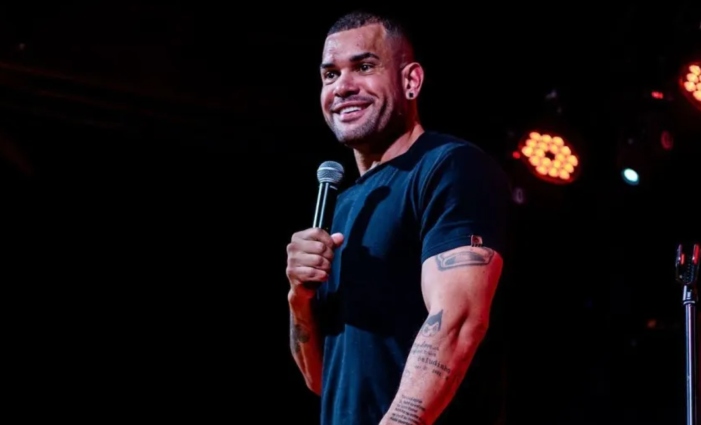
El humorista brasileño Diego Menasse permanece internado en estado grave en una Unidad de Terapia Intensiva (UTI) de São Paulo, luego de presentar severas complicaciones tras someterse a una cirugía para retirar exceso de piel.
De acuerdo con reportes de medios brasileños y personas cercanas al comediante, su condición se complicó durante el periodo posoperatorio debido a una hemorragia de gran magnitud, a la que posteriormente se habría sumado una infección hospitalaria. Ante la gravedad del cuadro, Menasse requiere soporte médico especializado para mantener estables sus funciones vitales.
La situación ha generado preocupación entre colegas, amigos y seguidores, quienes han difundido mensajes de apoyo en redes sociales y participan en una campaña para conseguir donadores de sangre.
Según los reportes disponibles, el humorista ya habría recibido 15 bolsas de sangre, aunque continúa necesitando transfusiones debido a la pérdida sanguínea sufrida después de la intervención quirúrgica.
La familia de Menasse decidió mantener en reserva el nombre del hospital donde permanece internado por motivos de privacidad. Sin embargo, se ha informado que las personas que se encuentren en Brasil pueden realizar donaciones dirigidas en las sedes del Hemocentro São Lucas, proporcionando el nombre completo del paciente, Diego Ferreira Menasse.
Colegas del ámbito de la comedia, entre ellos la influencer Mel Risotino, se han sumado a la difusión de la solicitud de donadores, mientras la comunidad artística permanece atenta a la evolución del comediante.
Brazilian comedian Diego Menasse remains hospitalized in serious condition in an intensive care unit (ICU) in São Paulo, after experiencing severe complications following surgery to remove excess skin.
According to reports from Brazilian media and those close to the comedian, his condition worsened during the postoperative period due to a major hemorrhage, which was subsequently compounded by a hospital-acquired infection. Given the gravity of his situation, Menasse requires specialized medical support to keep his vital functions stable.
The situation has sparked concern among colleagues, friends, and fans, who have shared messages of support on social media and are participating in a campaign to find blood donors.
According to available reports, the comedian has already received 15 units of blood, but he continues to require transfusions due to the blood loss sustained following the surgical procedure.
For privacy reasons, Menasse’s family has chosen not to disclose the name of the hospital where he is being treated. However, it has been reported that individuals in Brazil can make directed donations at Hemocentro São Lucas locations by providing the patient’s full name: Diego Ferreira Menasse.
Fellow comedians—including influencer Mel Risotino—have helped spread the call for blood donors, as the artistic community keeps a close watch on his progress.
CINE. Sanguine gana el Festival de Sitges 2026
FILM. Sanguine Wins at the 2026 Sitges Festival
La película Sanguine, ópera prima de la directora francesa Marion Le Corroller, obtuvo el premio a Mejor Película en la 59.ª edición del Festival Internacional de Cine Fantástico de Sitges, en España. El filme, inscrito en el género del body horror, convierte una sala de urgencias hospitalarias en escenario de una historia visceral que aborda, desde la sátira, el estrés y las presiones del entorno laboral.
Con este reconocimiento, Le Corroller se convirtió en la quinta mujer en conseguir el máximo galardón del certamen, consolidando la presencia femenina en uno de los encuentros más importantes del cine fantástico y de terror.
El Premio Especial del Jurado fue para Drag, de Greg Yagolnitzer y Raviv Ullman, una cinta de terror producida por Danny DeVito junto a sus hijos. Por su parte, el cineasta indonesio Joko Anwar recibió el premio a Mejor Dirección por Ghost in the Cell, una comedia de terror sobrenatural ambientada en una prisión.
En las categorías interpretativas, Jasmine Trinca fue reconocida como Mejor Actriz por The Spiral, mientras que Benoît Magimel obtuvo el premio a Mejor Actor por Historias de la noche. El galardón a Mejor Guion correspondió a Casper Kelly y Jamie King por Buddy.
Otros reconocimientos incluyeron el Premio de la Crítica para The Incomer, de Louis Paxton, y el Premio del Público de la Sección Oficial para Wildwood, película de animación dirigida por Travis Knight.
En otras secciones, Hen, de Nico Scheepers, ganó como Mejor Película en Noves Visions, mientras que We Are Aliens, del japonés Kohei Kadowaki, triunfó en animación. Además, Alejandro Amenábar recibió el Méliès Career Award por su trayectoria y Bárbara Rey fue distinguida con el Premio Nosferatu.
The film Sanguine—the debut feature from French director Marion Le Corroller—won the Best Film award at the 59th edition of the Sitges International Fantastic Film Festival in Spain. Falling within the «body horror» genre, the film transforms a hospital emergency room into the setting for a visceral story that uses satire to explore the stress and pressures of the workplace.
With this win, Le Corroller becomes the fifth woman to receive the festival’s top honor, further strengthening the presence of female filmmakers at one of the world’s most significant events for fantasy and horror cinema.
The Special Jury Prize went to Drag, a horror film directed by Greg Yagolnitzer and Raviv Ullman and produced by Danny DeVito alongside his children. Meanwhile, Indonesian filmmaker Joko Anwar received the Best Director award for Ghost in the Cell, a supernatural horror-comedy set in a prison.
In the acting categories, Jasmine Trinca was named Best Actress for The Spiral, while Benoît Magimel won Best Actor for Historias de la noche. The award for Best Screenplay went to Casper Kelly and Jamie King for Buddy.
Other honors included the Critics’ Prize for The Incomer, directed by Louis Paxton, and the Official Selection Audience Award for Wildwood, an animated film directed by Travis Knight.
In other festival sections, Hen, by Nico Scheepers, won Best Film in the Noves Visions category, while We Are Aliens, by Japanese director Kohei Kadowaki, took the top prize in the animation category. Additionally, Alejandro Amenábar received the Méliès Career Award for his body of work, and Bárbara Rey was honored with the Nosferatu Award.
COLOMBIA. Retiran de obras del Museo Nacional y se desata polémica
COLOMBIA. Removal of items from the National Museum sparks controversy
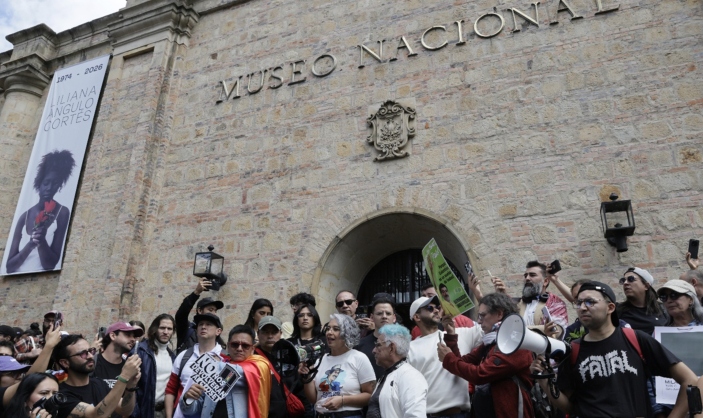
El retiro de más de 30 piezas del Museo Nacional de Colombia, en Bogotá, ha generado una fuerte controversia en el país por involucrar obras y objetos relacionados con la diversidad sexual, el feminismo, el conflicto armado y los procesos de paz.
La decisión fue ordenada por el Gobierno del presidente Abelardo de la Espriella, quien ha anunciado una “contrarrevolución cultural” y cuestionado la presencia de elementos que, a su juicio, pueden constituir una exaltación de la violencia. Entre las piezas retiradas se encuentran una bandera de la comunidad LGBTIQ+, materiales vinculados con las luchas por los derechos de las mujeres, fotografías y publicaciones sobre diversidad sexual, así como objetos relacionados con el Acuerdo de Paz de 2016 y la Constitución de 1991.
También fueron desmontados afiches de los dirigentes políticos Bernardo Jaramillo Ossa y Carlos Pizarro Leongómez, asesinados en 1990, además de piezas vinculadas con procesos históricos como la Séptima Papeleta y la desmovilización del M-19. El Gobierno sostiene que busca revisar la curaduría del museo y evitar una interpretación política de la historia.
La medida provocó protestas frente al museo y el rechazo de instituciones culturales. Varios museos de arte moderno del país cuestionaron el retiro y defendieron la autonomía curatorial y la representación plural de la historia colombiana.
La controversia llegó a los tribunales. Un juez de Bogotá ordenó al Museo Nacional conservar las piezas retiradas y prohibió destruirlas, modificarlas, trasladarlas fuera de sus instalaciones o retirar nuevos elementos sin actos administrativos que sustenten esas decisiones. También solicitó un inventario detallado de las obras afectadas.
The removal of more than 30 pieces from the National Museum of Colombia, in Bogotá, has triggered intense controversy in the country, as the items in question relate to sexual diversity, feminism, the armed conflict, and peace processes.
The decision was ordered by the administration of President Abelardo de la Espriella, who has announced a “cultural counter-revolution” and questioned the presence of elements that, in his view, could be seen as glorifying violence. Among the removed items are an LGBTIQ+ flag, materials linked to the struggle for women’s rights, photographs and publications concerning sexual diversity, as well as objects related to the 2016 Peace Agreement and the 1991 Constitution.
Also removed were posters of political leaders Bernardo Jaramillo Ossa and Carlos Pizarro Leongómez—both assassinated in 1990—along with pieces connected to historical milestones such as the “Seventh Ballot” (Séptima Papeleta) movement and the demobilization of the M-19 guerrilla group. The government maintains that it seeks to review the museum’s curatorial approach and avoid a political interpretation of history.
The move sparked protests outside the museum and drew condemnation from cultural institutions. Several modern art museums across the country questioned the removals, defending curatorial autonomy and a pluralistic representation of Colombian history.
The controversy has reached the courts. A Bogotá judge has ordered the National Museum to preserve the removed items, prohibiting their destruction, alteration, or relocation outside the museum’s premises. The judge also barred the removal of any further items without formal administrative acts to justify such decisions, and requested a detailed inventory of the affected works..
LETRAS. Thélyson Orélien se defiende tras su exclusión del Premio Goncourt
LITERATURE. Thélyson Orélien defends himself following his exclusion from the Goncourt Prize
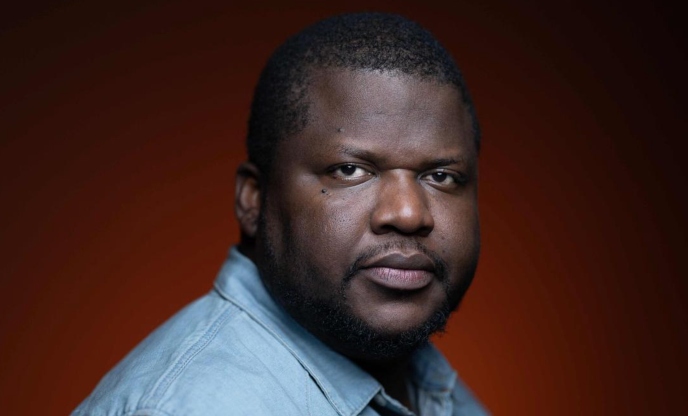
El escritor haitiano-canadiense Thélyson Orélien rechazó las acusaciones de haber utilizado inteligencia artificial para escribir su novela C’était ça ou mourir (Era eso o morir), señalamiento que derivó en su exclusión de la primera lista de 16 seleccionados al prestigioso Premio Goncourt, anunciada el pasado 25 de septiembre.
En una declaración difundida a mediados de octubre por su editorial, Les Éditions du Boréal, el autor calificó las acusaciones de “calumnia y herejía” y defendió la autoría humana de su obra. Según explicó, el manuscrito comenzó a desarrollarse en 2017 y está basado en su experiencia y trabajo personal. Afirmó que únicamente recurrió a herramientas tecnológicas para verificar algunos datos durante la investigación.
Orélien también reconoció un episodio de plagio cometido en 2012, cuando copió fragmentos de un texto anterior. El escritor pidió disculpas por aquel hecho y sostuvo que se trató de un error de juventud que no debe confundirse con la elaboración de su novela actual.
La polémica comenzó tras una denuncia anónima y provocó su salida del certamen. El caso también llevó al presidente de la Academia Goncourt, Philippe Claudel, a impulsar una prohibición explícita del uso de inteligencia artificial en las obras participantes.
Tras su exclusión, Orélien denunció además haber recibido acoso y amenazas. Su caso ha reavivado el debate sobre la autoría literaria en la era de la inteligencia artificial y sobre los criterios que deben aplicar los grandes premios para distinguir entre herramientas de apoyo y generación de contenido.
Haitian-Canadian writer Thélyson Orélien has rejected accusations that he used artificial intelligence to write his novel C’était ça ou mourir («It Was Either That or Die»). This allegation led to his removal from the initial longlist of 16 nominees for the prestigious Goncourt Prize, which was announced on September 25.
In a statement released in mid-October by his publisher, Les Éditions du Boréal, the author described the accusations as «slander and heresy» and maintained that his work was written entirely by a human. He explained that he began developing the manuscript in 2017, drawing on his own personal experiences and work. He stated that he only used technological tools to verify certain facts during his research.
Orélien also acknowledged an instance of plagiarism from 2012, when he copied passages from an earlier text. The writer apologized for this incident, characterizing it as a youthful mistake that should not be conflated with the creation of his current novel.
The controversy arose following an anonymous complaint, which resulted in his disqualification from the competition. The case also prompted the president of the Goncourt Academy, Philippe Claudel, to push for an explicit ban on the use of artificial intelligence in works submitted for the prize.
Following his exclusion, Orélien also reported being subjected to harassment and threats. His case has reignited the debate surrounding literary authorship in the age of artificial intelligence, as well as the criteria that major literary awards should apply to distinguish between tools used for support and those used for content generation.
.
MÚSICA. BIGBANG regresa a Singapur con conciertos multitudinarios tras una década
MUSIC. BIGBANG returns to Singapore for massive concerts after a decade

BIGBANG regresó a los escenarios de Singapur el 17 y 18 de octubre como parte de su gira mundial XX: Cosmos, con dos conciertos en el Estadio Nacional que marcaron el primer encuentro del grupo con sus seguidores de la isla en una década.
La primera presentación, realizada el sábado 17 de octubre, reunió a miles de fans y recibió una respuesta positiva de la prensa local. El trío integrado por G-Dragon, Taeyang y Daesung mostró que su presencia escénica permanece vigente. Taeyang destacó por sus interpretaciones vocales, especialmente en Haru Haru, además de un espectáculo individual acompañado de efectos de fuego. Daesung aportó humor y cercanía con el público, mientras que G-Dragon hizo gala de su estilo de rap en temas como Loser.
El regreso estuvo acompañado por una preocupación ambiental debido a la presencia de neblina contaminante y niveles de partículas PM2.5. La promotora AEG Presents Asia recomendó a los asistentes vulnerables utilizar mascarilla y mantenerse hidratados. En el recinto también se distribuyeron cubrebocas y se ofreció atención de primeros auxilios.
Pese a las condiciones ambientales, los conciertos continuaron con normalidad. El operador del estadio había establecido que las actividades se suspenderían si el Índice de Estándares de Contaminantes (PSI) superaba los 300 puntos.
La llegada de BIGBANG también se reflejó en distintos puntos de la ciudad. Marina Bay Sands y el Museo ArtScience prepararon espectáculos especiales de luces y agua durante el fin de semana, mientras que una tienda oficial con mercancía exclusiva fue instalada en Kallang Wave Mall.
BIGBANG returned to the stage in Singapore on October 17 and 18 as part of their «XX: Cosmos» world tour, holding two concerts at the National Stadium—the group’s first encounter with their fans on the island in a decade.
The first performance, held on Saturday, October 17, drew thousands of fans and received a positive response from the local press. The trio—comprising G-Dragon, Taeyang, and Daesung—demonstrated that their stage presence remains as strong as ever. Taeyang stood out for his vocal performances, particularly on «Haru Haru,» and delivered a solo segment featuring pyrotechnic effects. Daesung brought humor and a warm rapport with the audience, while G-Dragon showcased his signature rap style on tracks like «Loser.»
The return was marked by environmental concerns due to the presence of haze and high levels of PM2.5 particulate matter. The promoter, AEG Presents Asia, advised vulnerable attendees to wear face masks and stay hydrated. Face masks were also distributed at the venue, and first-aid services were made available.
Despite the environmental conditions, the concerts proceeded as planned. The stadium operator had established that activities would be suspended if the Pollutant Standards Index (PSI) exceeded 300 points.
BIGBANG’s arrival was also felt across the city. Marina Bay Sands and the ArtScience Museum hosted special light and water shows throughout the weekend, while an official pop-up store featuring exclusive merchandise was set up at Kallang Wave Mall.
.
ARTE. Richard Moszka: homenaje y rescate de su legado artístico en México
ART. Richard Moszka: A Tribute to and Recovery of His Artistic Legacy in Mexico
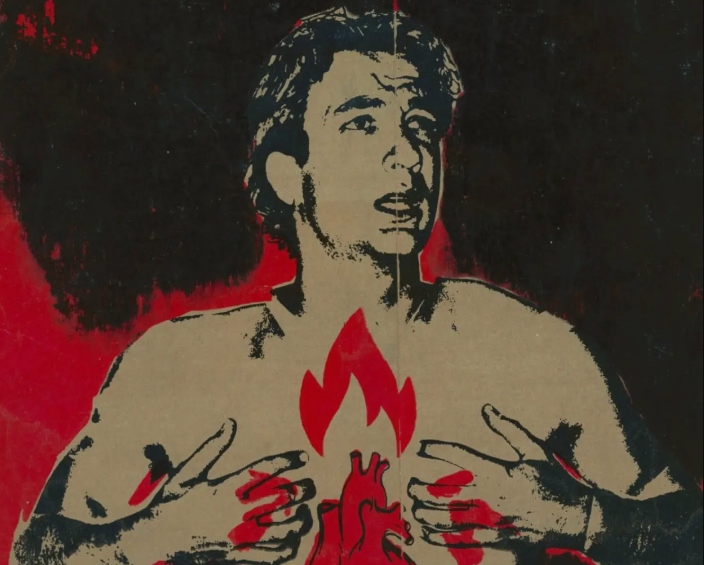
El antiguo convento de las Carmelitas Descalzas, actual sede de Ex Teresa Arte Actual, en Ciudad de México, recibe la exposición Basura de artista… no sé si llorar o ensayar mi risa frívola y banal, dedicada al artista multidisciplinario Richard Moszka. La muestra abrió al público el 16 de octubre y permanecerá hasta el 31 de diciembre de 2026.
La exposición establece un diálogo entre la arquitectura religiosa del inmueble del siglo XVI y la estética punk y transgresora que caracterizó la producción de Moszka, quien desarrolló en México una trayectoria de más de tres décadas. El montaje recupera parte de su archivo personal y obra, con piezas y procesos vinculados con temas como el VIH, las adicciones, el deterioro, la identidad y la contracultura, además de proyectos emblemáticos como Un año de basura.
Más allá del homenaje, la exposición representa un importante ejercicio de preservación. Tras la muerte del artista, ocurrida en julio de 2025, su obra y archivo estuvieron en riesgo de perderse luego de que su casa en la colonia Roma fuera ocupada de manera fraudulenta mediante un contrato de compraventa falso.
Juan Pablo García Tamés, pareja y heredero universal de Moszka, fue despojado del inmueble donde se encontraba resguardado el acervo. Después de un proceso legal, la propiedad fue recuperada en febrero de 2026 mediante una orden judicial ejecutada por la Fiscalía de la Ciudad de México.
Como parte de este esfuerzo, el fondo documental de Moszka se integrará de manera permanente al Acervo Artístico Documental de Ex Teresa Arte Actual, contribuyendo a preservar y difundir su legado. Más información AQUÍ https://inba.gob.mx/recinto/55/ex-teresa-arte-actual
The former convent of the Discalced Carmelites—now home to Ex Teresa Arte Actual in Mexico City—is hosting the exhibition Artist’s Trash… I Don’t Know Whether to Cry or Practice My Frivolous, Banal Laugh, dedicated to the multidisciplinary artist Richard Moszka. The exhibition opened to the public on October 16 and will remain on view until December 31, 2026.
The exhibition establishes a dialogue between the 16th-century religious architecture of the building and the punk, transgressive aesthetic that defined the work of Moszka, who spent over three decades of his career in Mexico. The display recovers portions of his personal archive and body of work, featuring pieces and creative processes that address themes such as HIV, addiction, decay, identity, and counterculture, alongside iconic projects like A Year of Trash (Un año de basura).
Beyond serving as a tribute, the exhibition represents a significant act of preservation. Following the artist’s death in July 2025, his work and archive were at risk of being lost after his home in the Colonia Roma neighborhood was fraudulently seized through a forged sales contract.
Juan Pablo García Tamés, Moszka’s partner and universal heir, was dispossessed of the property where the collection was housed. Following legal proceedings, the property was recovered in February 2026, pursuant to a court order executed by the Mexico City Prosecutor’s Office.
As part of this effort, Moszka’s documentary collection will be permanently integrated into the Artistic and Documentary Archive of Ex Teresa Arte Actual, helping to preserve and promote his legacy. More information HERE
MÚSICA. Tiny Desk de Los Tigres del Norte: cuando la música incomoda
MUSIC. Los Tigres del Norte’s Tiny Desk: When Music Makes People Uncomfortable
El estreno del Tiny Desk de Los Tigres del Norte, presentado por NPR el 15 de octubre para conmemorar el cierre del Mes de la Herencia Hispana, terminó envuelto en una polémica que trascendió lo musical. La cadena estadounidense fue acusada de censura después de retirar del video oficial el discurso de apertura del periodista Félix Contreras, cocreador de Alt.Latino, en el que abordaba la situación de los migrantes y la historia de la comunidad latina en Estados Unidos.
Contreras señalaba que “nuestra comunidad está bajo ataque” y hacía referencia a episodios como la llamada Operación Wetback y al cambio de fronteras derivado de 1848. Su intervención concluía con un reconocimiento a Los Tigres del Norte por su capacidad para devolver humanidad y dignidad a una comunidad que durante décadas ha encontrado en su música una forma de identidad y resistencia.
El fragmento había desaparecido del video principal en YouTube, aunque circuló brevemente en redes sociales. La decisión provocó críticas de usuarios que calificaron de contradictorio el recorte, sobre todo porque el concierto comenzaba precisamente con Somos Más Americanos, una de las canciones más contundentes del grupo sobre migración, territorio e identidad.
El resto del repertorio permaneció intacto e incluyó temas como Golpes en el corazón, Quiero volar contigo, Ni parientes somos y La puerta negra.
Ante la presión pública, NPR dio marcha atrás y restituyó la introducción completa en la versión oficial del concierto. El episodio deja una pregunta incómoda: ¿qué sentido tiene celebrar la herencia hispana mientras se elimina, aunque sea temporalmente, una voz que habla precisamente de las heridas de esa comunidad?
The premiere of Los Tigres del Norte’s Tiny Desk concert—presented by NPR on October 15 to mark the end of Hispanic Heritage Month—became mired in a controversy that went beyond the music itself. The American broadcaster faced accusations of censorship after removing an opening address by journalist Félix Contreras—co-creator of Alt.Latino—from the official video. In his remarks, Contreras had discussed the situation of migrants and the history of the Latino community in the United States.
Contreras noted that “our community is under attack,” referencing events such as the so-called “Operation Wetback” and the shifting of borders that followed 1848. He concluded by acknowledging Los Tigres del Norte for their ability to restore humanity and dignity to a community that, for decades, has found a sense of identity and resistance in their music.
The segment was removed from the main YouTube video, though it circulated briefly on social media. The decision drew criticism from users who found the edit contradictory—especially given that the concert opened with “Somos Más Americanos,” one of the group’s most powerful songs regarding migration, territory, and identity.
The remainder of the setlist remained intact, featuring tracks such as “Golpes en el corazón,” “Quiero volar contigo,” “Ni parientes somos,” and “La puerta negra.”
Facing public pressure, NPR reversed its decision and restored the full introduction to the official version of the concert. The episode raises an uncomfortable question: what is the point of celebrating Hispanic Heritage Month while—even if only temporarily—silencing a voice that speaks directly to the wounds of that very community?